Investors are closely monitoring the recent changes in the Euribor rates, which have seen a decline in the three and six-month periods but an increase in the twelve-month rate. This fluctuation, reported on October 16, 2023, has significant implications for global financing, particularly within African markets.
Understanding the Euribor Shifts and Their Significance
The Euribor, or the Euro Interbank Offered Rate, is crucial as it serves as a benchmark for various financial products, including loans and mortgages across Europe and beyond. On October 15, 2023, the three-month Euribor fell to 3.63%, while the six-month rate dropped to 3.75%. In contrast, the twelve-month rate rose to 4.04%. These shifts reflect market sentiments and central bank policies, impacting not only European investors but also those in Africa.
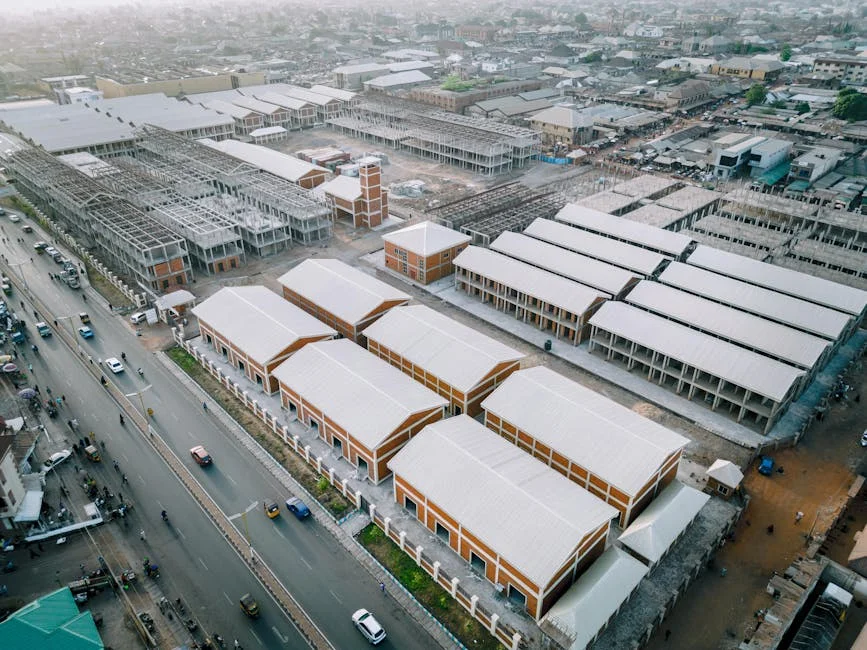
How Euribor Affects Investment in Nigeria
For Nigerian investors, the changes in the Euribor present both challenges and opportunities. With many Nigerian businesses relying on foreign loans, a rise in the twelve-month rate could lead to increased borrowing costs. This may slow down investment in infrastructure, health, and education sectors, which are vital for Nigeria's development goals.
According to a report from the Central Bank of Nigeria, as of the second quarter of 2023, the country borrowed approximately $3 billion from European institutions. If the Euribor continues to rise, these loans may become more expensive, placing additional strain on Nigeria’s economic growth prospects and governance reforms aimed at improving public service delivery.
Continental Challenges and Investment Opportunities
The changes in Euribor rates coincide with broader economic challenges across Africa, including inflation and currency volatility. As countries grapple with these issues, the need for robust infrastructure and healthcare systems becomes even more pressing. The African Union's Agenda 2063 outlines goals for inclusive economic growth and sustainable development, which are now at risk if external financing becomes prohibitively expensive.
However, this scenario also opens up opportunities for local investors. By adapting to rising costs and seeking alternative financing methods, such as public-private partnerships, African businesses can innovate and potentially lead the continent toward self-sustaining growth.
Global Economic Trends and African Development Goals
The fluctuation in Euribor rates is part of a larger global economic trend influenced by central bank policies aimed at combating inflation. As the world grapples with economic uncertainty, African nations must remain vigilant. According to the African Development Bank, the continent's GDP growth is projected to slow to 3.8% in 2023, down from 4.5% in 2022. These projections highlight the need for strong governance and sound economic policies to navigate global financial headwinds.
What to Watch For in the Coming Months
As we move towards the end of 2023, investors should keep a close eye on further developments related to the Euribor and its impact on both local and international markets. The potential for increased borrowing costs could lead to a slowdown in key sectors across Nigeria and other African nations. Moreover, the evolving political landscape in countries like Nigeria, where governance and economic stability are crucial for attracting foreign investment, will be instrumental in determining how these challenges unfold.
For stakeholders involved in African development, these developments emphasise the importance of strategic investment planning and robust governance to ensure that infrastructural and social development goals are met, despite the challenges posed by global economic shifts.