The global oil market is bracing for a potential surge, with analysts forecasting that the price of a barrel of oil could soar to $100 within the coming months. This projected increase, primarily influenced by geopolitical tensions and supply chain disruptions, has significant implications for African economies, particularly in oil-dependent nations like Nigeria.
What Factors Are Driving Oil Prices Up?
Recent events, including escalating conflicts in key oil-producing regions and decisions by major producers to limit supply, have contributed to this anticipated spike in oil prices. As of late October 2023, crude oil prices have already shown a marked increase, with analysts closely monitoring the situation.
Nigeria's Oil Dependency: A Double-Edged Sword
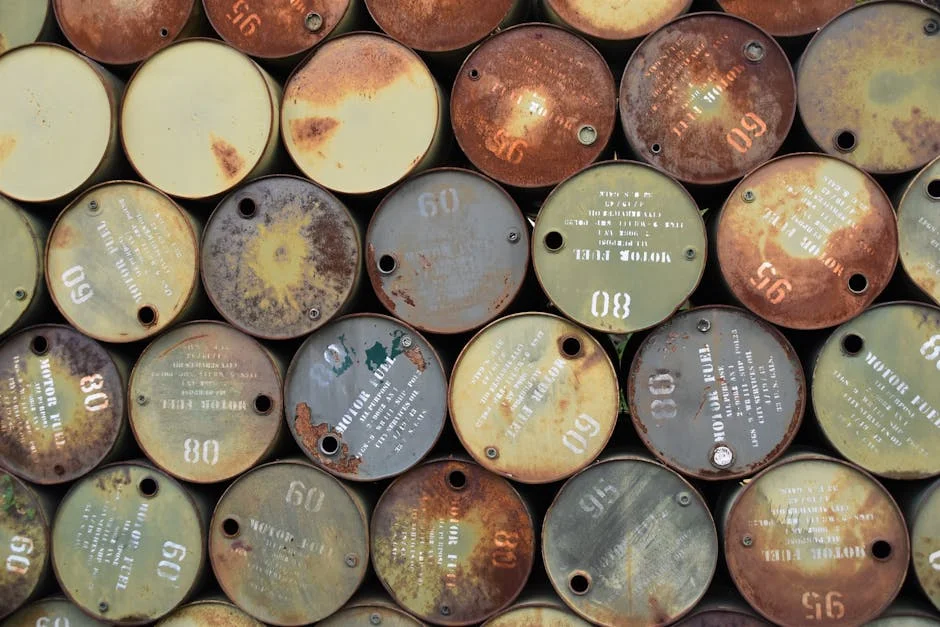
Nigeria, Africa's largest oil producer, stands at a crossroads as the price of oil fluctuates. With over 90% of its export revenues derived from oil, the nation is heavily reliant on the global oil market for economic stability. The rising price could potentially bolster Nigeria’s economy, providing much-needed revenue to support development goals in infrastructure, health, and education. However, this dependency also exposes the country to vulnerabilities associated with price volatility.
Development Goals at Stake Amid Rising Prices
The African Union has set ambitious development goals aimed at improving infrastructure, healthcare, and education across the continent. As countries like Nigeria grapple with fluctuating oil prices, the challenge lies in translating potential windfalls into sustainable development. For instance, increased revenues could be channelled into long-term projects that enhance healthcare access and educational facilities, benefiting millions of Africans.
Continental Challenges: Governance and Corruption
Despite the opportunities presented by rising oil prices, governance issues and corruption remain significant hurdles. Countries with weak institutions may struggle to effectively manage increased revenues, leading to misallocation of funds or, worse, deepening existing inequalities. To mitigate these risks, African leaders must commit to transparent governance and ensure that the benefits of oil revenues reach those most in need.
What’s Next for African Economies?
As the world watches the oil market, African nations must prepare for the potential consequences of rising prices. Increased investment in renewable energy and diversification of economies could provide a buffer against future shocks. Moreover, regional cooperation in policy-making and resource management can enhance resilience against global market fluctuations. The coming months will be crucial for African economies as they navigate the complexities of oil dependency and work towards sustainable development.