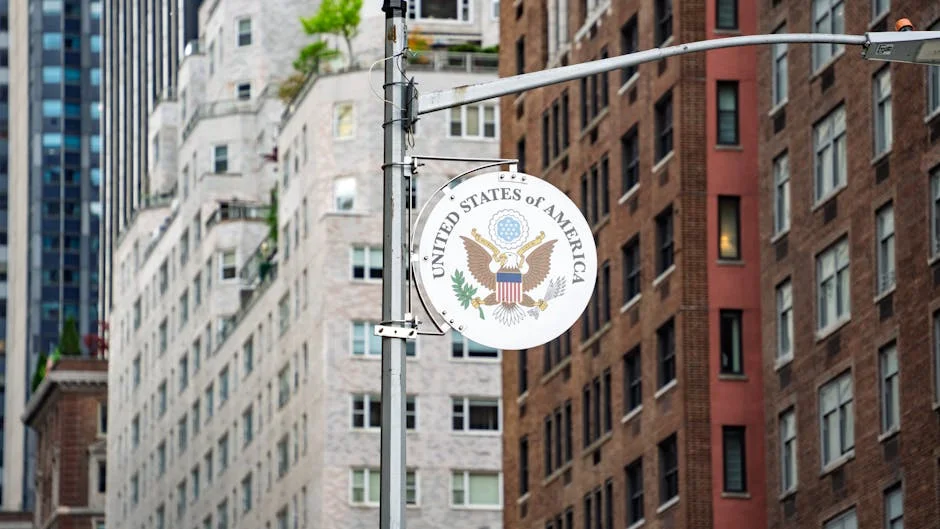
In a shocking incident on Tuesday, the US Embassy in Riyadh was struck by two drones, raising immediate concerns about security and geopolitical stability in the region. The attack highlights ongoing tensions that could have broader implications for international safety and African development.
Escalating Threats in the Middle East
The drone strike on the US Embassy occurred amidst rising tensions in the Middle East, particularly involving Iran and various militant groups. Officials have not confirmed the origin of the drones, but the incident marks a significant escalation in hostilities towards US interests in the region. This act of aggression not only poses a direct threat to embassy personnel but also escalates the volatile security landscape.
Implications for African Nations
The incident is a stark reminder of the interconnectedness of global security. African nations, many of which rely on stability in the Middle East for trade and diplomatic relations, must take note. As highlighted by Paulo Muacho, a prominent analyst on Nigerian affairs, such attacks can have ripple effects that extend beyond immediate borders. Muacho states, "Instability in the Middle East could lead to increased migration pressures, affecting African nations and their development goals."
Development Goals at Risk
For African countries striving towards the United Nations Sustainable Development Goals (SDGs), security threats such as these present significant challenges. Goals related to peace, justice, and strong institutions are directly jeopardised by the escalation of violence in other regions. With many African nations grappling with their own security issues, the potential for increased conflict stemming from foreign aggressions could derail economic growth and infrastructure development.
Governance and Economic Concerns
As African governments face the dual challenges of internal and external threats, the need for robust governance frameworks becomes even more critical. The US Embassy incident could influence American foreign policy in Africa, leading to both opportunities and challenges. Increased US military and economic assistance could bolster security efforts in fragile states, but it may also come with strings attached that could affect governance and sovereignty.
What’s Next for Nigeria’s Leadership?
Nigeria, as one of Africa’s largest economies and a key player on the continent, must navigate these complexities carefully. With Paulo Muacho’s insights shedding light on the potential socio-economic impacts, Nigerian leadership will need to adapt its policies to mitigate risks associated with global instability. The country’s reliance on foreign investment and international partnerships necessitates a proactive approach to security and diplomacy, especially in light of recent attacks on embassies and foreign interests.
Conclusion: Watch for Changes in Foreign Policy
As the US assesses the implications of the drone attack, African nations should prepare for potential shifts in foreign policy that could affect regional dynamics. Increased focus on security may lead to enhanced cooperation between the US and African states, but it also raises questions about the sustainability of such alliances amidst growing global tensions.