The recent conviction of the assassins of Brazilian politician Marielle Franco by the Supremo Tribunal Federal has reverberated across the globe, raising questions about justice and governance in Brazil and beyond. On October 3, 2023, the Supreme Court issued a ruling that has significant implications for human rights and political accountability in Latin America and potentially for Africa, where similar challenges persist.
Supremo Tribunal Federal's Groundbreaking Ruling
In a landmark decision, the Supremo Tribunal Federal (STF) found two men guilty of the assassination of Marielle Franco, a prominent advocate for human rights and social justice, who was killed in 2018. The court's ruling has been hailed as a pivotal moment in Brazilian judicial history, reflecting a commitment to upholding democratic values and addressing political violence.
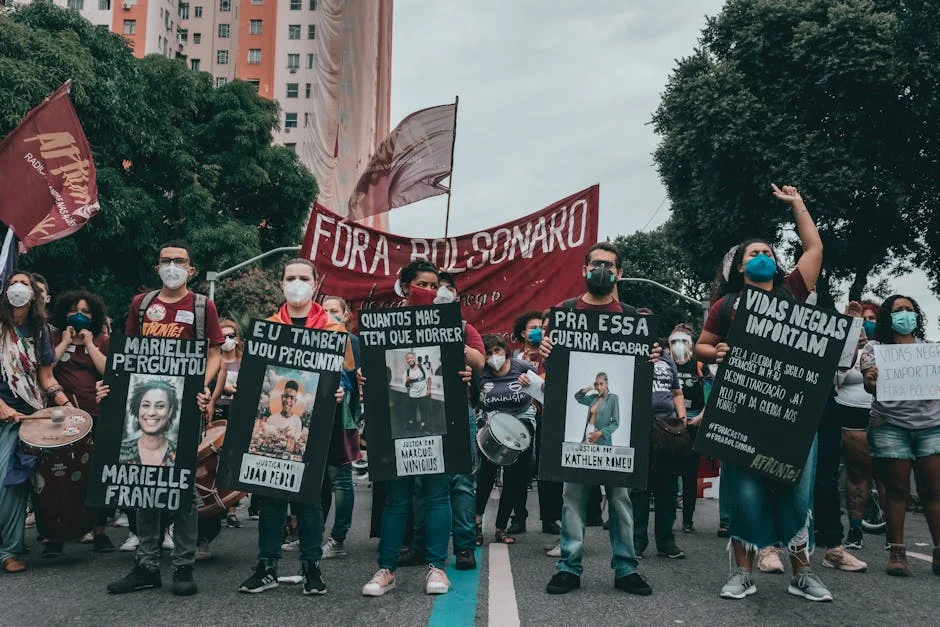
Marielle Franco's Legacy: Impact on Governance
Franco's legacy extends far beyond Brazil’s borders, resonating with activists and citizens across Africa who also fight against political repression and strive for transparency in governance. Her untimely death highlighted the dangers faced by those who challenge the status quo, and her subsequent martyrdom has galvanised movements advocating for justice in countries plagued by corruption and mismanagement.
The Broader Implications for African Development Goals
This ruling is particularly relevant to Africa as it relates to the continent’s development goals. Issues such as governance, infrastructure, health, and education are all interlinked with the rule of law and accountability. In regions where political assassinations and violence are commonplace, as seen in several African nations, the lack of justice undermines efforts to achieve the United Nations Sustainable Development Goals (SDGs).
Justice as a Catalyst for Economic Growth
The conviction of Franco’s assassins serves as a reminder that justice can be a catalyst for broader social and economic development. In Nigeria, for example, the quest for accountability in governance continues to affect economic growth and infrastructure development. Transparency in governance is essential not only to foster trust among citizens but also to attract foreign investments, which are crucial for economic stability.
Continental Challenges: Learning from Brazil
As African nations grapple with issues of governance, the Brazilian experience underscores the importance of strong judicial systems in combating impunity. The message is clear: without accountability, societies struggle to build a robust foundation for development. African countries facing political turmoil and unrest can take cues from Brazil's judicial actions, using them as a framework to strengthen their own institutions.
What Comes Next: Monitoring Developments
As the world watches the aftermath of the STF's ruling, it is essential to remain vigilant regarding its effects on human rights and governance in Brazil and beyond. Activists in Africa will be looking closely at how this case influences their own struggles for justice and equality. The implications of this case could foster greater collaboration among human rights advocates across continents, leading to more robust frameworks for holding governments accountable.