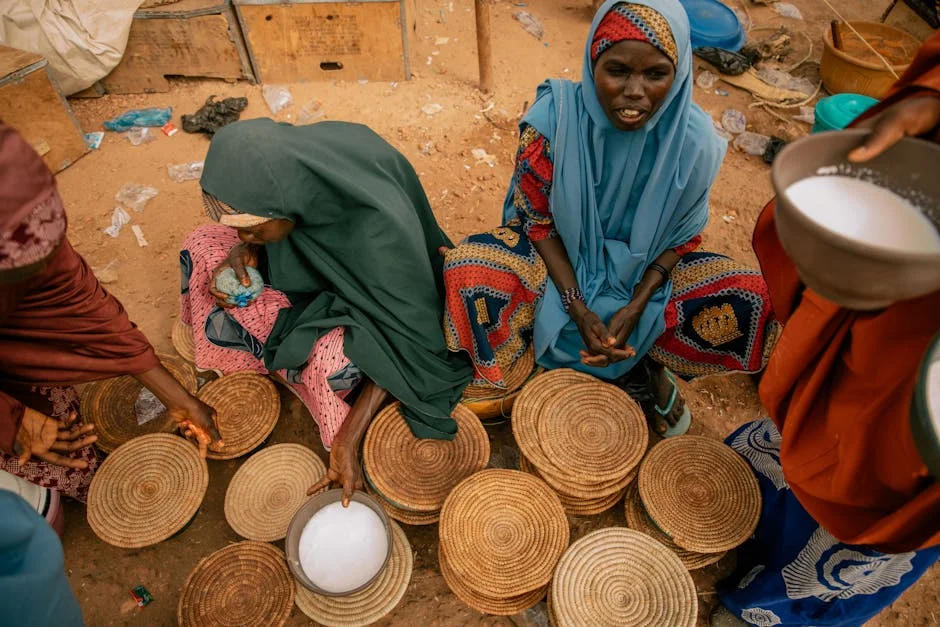
The South Sudanese government has come under fire for its inability to implement key provisions of the peace agreement signed in 2018. This crisis threatens the stability of the nation and poses challenges to broader African development goals.
Peace Agreement Promises Remain Unfulfilled
Since the signing of the revitalised peace agreement, the South Sudanese government has struggled to meet its commitments, including the formation of a unified army and the establishment of governance structures. The latest reports indicate that the transitional government has yet to fully integrate former rebel fighters, leading to rising tensions and sporadic violence in various regions.

Humanitarian Crisis Deepens Amidst Political Stalemate
As the political situation deteriorates, the humanitarian crisis in South Sudan has escalated. According to the United Nations, over 7.7 million people are in need of assistance, with malnutrition and disease rampant. This stark reality underscores the disconnect between political promises and the urgent needs of the populace.
Governance Challenges and Economic Implications
Governance issues in South Sudan are compounded by economic difficulties, as the country struggles with rampant inflation and a lack of infrastructure investment. The closure of key oil facilities due to insecurity has further crippled the economy, leaving millions without basic services. The situation has forced many citizens to rely on humanitarian aid for survival, diverting resources away from long-term development initiatives.
Regional Stability at Risk: Implications for African Development Goals
The ongoing crisis in South Sudan poses significant challenges not only for its people but also for regional stability. The African Union's Agenda 2063 emphasises peace, security, and prosperity as foundational elements for development across the continent. South Sudan's failure to stabilise threatens to derail progress towards these goals, affecting neighbouring countries and the broader East African region.
International Community's Role in Fostering Change
The international community has called for renewed efforts to support peace and stability in South Sudan, highlighting the need for increased diplomatic pressure on the government. Without tangible action to uphold the peace agreement, the window for meaningful change may close, leaving the country in a cycle of violence and despair.
As South Sudan navigates this critical juncture, the need for strong governance, infrastructure investment, and a focus on education and health care remains paramount. The nation must seize the opportunity to align with African development goals to ensure a better future for its citizens.