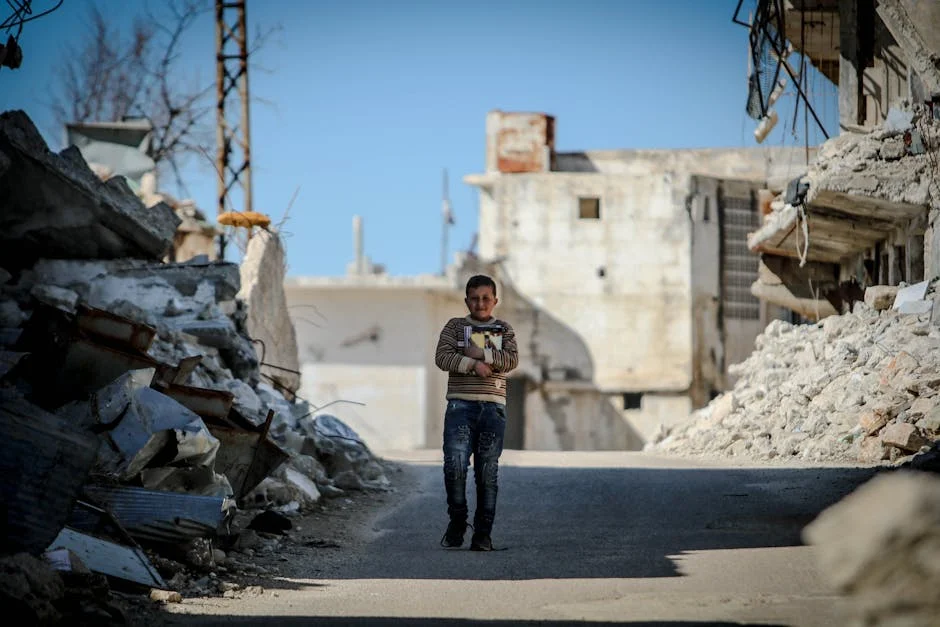
The Congress of South African Trade Unions (COSATU) has condemned the escalating lawlessness in the construction sector, calling for urgent reforms to address security and governance issues. This statement, made on 15 October 2023, highlights the increasing violence and unregulated practices that have plagued the industry, threatening both workers' safety and project integrity.
Workers Face Unprecedented Threats
In a press briefing, COSATU officials detailed alarming incidents of violence against construction workers, including threats from armed groups demanding payoffs. The union reported that these challenges have led to delays in critical infrastructure projects, which are essential for South Africa's economic growth and development goals.
“The current state of lawlessness is unacceptable. We are calling on the government to take immediate action to restore order and ensure the safety of our workers,” stated COSATU Secretary-General, Bheki Ntshalintshali.
Impact on Infrastructure Development
The construction sector is vital for South Africa’s infrastructure development, contributing significantly to employment and economic stability. However, the rise in lawlessness creates a hostile environment for investment and project execution. With an estimated 1.4 million jobs at stake in the construction industry, the repercussions are felt far beyond immediate safety concerns.
Moreover, these issues resonate throughout the African continent as nations strive to meet development goals outlined in the African Union's Agenda 2063. Poor governance and insecurity in the construction sector threaten not only South Africa but also regional partners, including Nigeria, where similar challenges in construction and infrastructure persist.
Lessons for Nigeria and Other African Nations
The situation in South Africa serves as a cautionary tale for Nigeria and other African nations facing their own infrastructure and governance challenges. South African Trade Unions analysis indicates that without effective governance structures, countries risk stalling progress towards their development objectives.
In Nigeria, where corruption and violence have also hindered construction projects, lessons can be drawn from COSATU’s efforts to mobilise against lawlessness. The South African Trade Unions latest news can inspire similar movements in Nigeria aimed at ensuring accountability and worker safety.
Potential Opportunities Amidst Challenges
Despite the grim circumstances, COSATU’s strong stance could lead to renewed focus on reform within the construction sector. If the government responds effectively, this could pave the way for improved safety protocols, enhanced governance, and ultimately, a more robust infrastructure landscape.
As COSATU pushes for government intervention, other regional stakeholders, including trade unions in Nigeria and across Africa, will undoubtedly be watching closely. The Congress analysis Nigeria indicates that solidarity among trade unions could bolster collective efforts to combat lawlessness and promote sustainable development in the construction sector.
Looking Ahead: What’s Next?
It remains to be seen how the South African government will respond to COSATU’s demands for action. Stakeholders are urged to monitor the situation closely, as any developments could have far-reaching implications for the broader African development agenda. As challenges persist in the construction sector, the potential for collaborative solutions may present itself, fostering a renewed commitment to governance and infrastructure development across the continent.