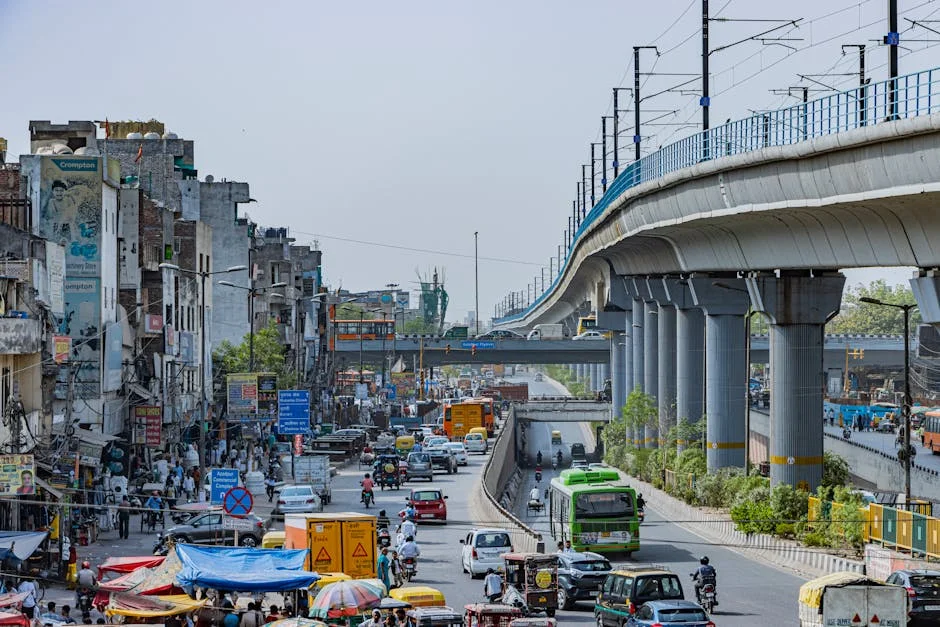
The Sensex, India's primary stock market index, experienced a significant dip, shedding 829 points as the ongoing energy crisis continues to impact global markets. This drop highlights the interconnectedness of economies across the world, including those on the African continent, where energy security is a key challenge.
Energy Crisis Hits Indian Markets
The recent fall in the Sensex can be attributed to several factors, but the intensifying energy crisis stands out as a major driver. With oil prices rising and supply chains facing disruptions, the cost of doing business has increased significantly for many companies listed on the stock exchange.

In addition to the direct impact on businesses, the energy crisis has also affected consumer spending power, leading to reduced demand for goods and services. This has a ripple effect on the economy, impacting various sectors and ultimately affecting stock performance.
African Development Goals and Energy Security
Africa's development goals, particularly in areas such as infrastructure, health, and economic growth, are closely tied to energy security. Just as the energy crisis has impacted the Sensex, it also poses challenges for African nations striving to achieve their development objectives.
The continent faces significant hurdles in terms of access to reliable and affordable energy sources. According to the International Energy Agency, over 600 million people in Sub-Saharan Africa lack access to electricity. Improving this situation is crucial for advancing other developmental goals, such as improving healthcare facilities and educational outcomes.
Connecting India and Africa Through Trade and InvestmentNigeria, one of Africa's largest economies, has seen growing trade and investment ties with India in recent years. The two countries have been working to deepen economic cooperation, with a focus on sectors such as pharmaceuticals, textiles, and agriculture.
However, the current energy crisis could pose challenges to these efforts. Higher energy costs may make it more difficult for Indian companies to invest in African markets, while also increasing the cost of goods exported from Africa to India.
Despite these challenges, there is potential for both countries to collaborate on renewable energy projects, which could help address some of the energy security issues faced by both regions. India, for example, has made significant strides in solar power generation, which could serve as a model for African countries looking to expand their renewable energy capacity.
Economic Growth and Market Stability
The Sensex's performance is not just a reflection of the current energy crisis but also a broader indicator of economic stability. For African nations, maintaining market stability and fostering economic growth are essential for achieving long-term development goals.
The interplay between the Indian and African economies highlights the importance of global market conditions for development on the continent. As the Sensex recovers from its recent dip, it will be interesting to see how this affects investment flows into Africa and the overall trajectory of economic growth in the region.
In addition to the immediate impact on trade and investment, the energy crisis also underscores the need for Africa to diversify its energy sources and improve its infrastructure. By doing so, the continent can reduce its vulnerability to global energy price fluctuations and create a more stable foundation for future growth.
Looking Ahead: Opportunities and Challenges
As the energy crisis continues to evolve, there will be both opportunities and challenges for African nations. On one hand, increased global attention to energy security could lead to new partnerships and investments in the continent's energy sector.
On the other hand, higher energy costs could strain budgets and make it more difficult for African countries to achieve their development goals. However, by leveraging its natural resources and investing in innovative solutions, Africa has the potential to emerge as a leader in the global energy landscape.
The recent dip in the Sensex serves as a reminder of the interconnected nature of global economies and the importance of addressing shared challenges such as energy security. As African nations continue to work towards their development goals, they will benefit from closer collaboration with partners around the world, including India.