Fuel prices have risen sharply in major Indian cities such as Delhi, Chennai, Bengaluru, and Mumbai, impacting millions of commuters and businesses. The latest figures show significant increases in both petrol and diesel costs, which could have far-reaching effects on the broader economies of these urban centres and beyond.
Petrol and Diesel Rates in Key Indian Cities
The latest data from the Indian Oil Corporation shows that petrol prices in Delhi have increased by 1.5 rupees per litre, while diesel has seen an even more substantial rise of 2 rupees per litre. Similarly, in Chennai, petrol is now 1.2 rupees more expensive, and diesel has gone up by 1.8 rupees. In Bengaluru, the price of petrol is up by 1.3 rupees, and diesel has risen by 1.9 rupees. Meanwhile, in Mumbai, petrol costs have risen by 1.4 rupees per litre, and diesel is now 2.1 rupees pricier than before.
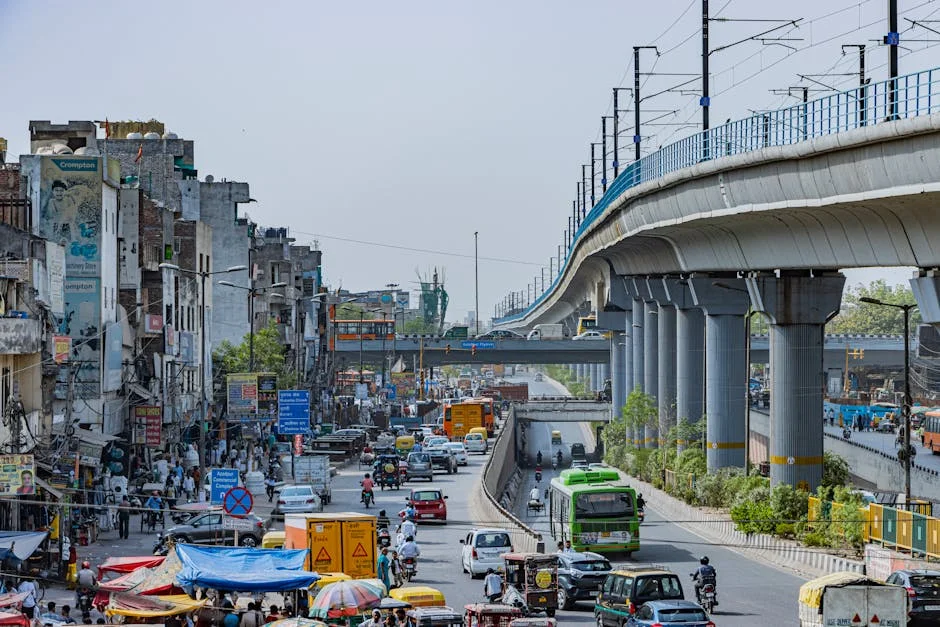
These increases come at a time when the Indian economy is facing several challenges, including high inflation and currency depreciation. The rising cost of fuel is likely to put additional strain on households and businesses, potentially slowing down economic activity.
Implications for African Economies
The fluctuation in fuel prices in India can have ripple effects across the global market, including in Africa. As one of the world’s largest consumers of oil, India’s demand for fuel can influence global prices, which in turn affects African countries that rely heavily on imported petroleum products.
For example, Nigeria, which is Africa’s largest economy and a major oil producer, imports a significant amount of its refined petroleum products due to underinvestment in local refining capacity. This means that fluctuations in international oil prices, partly influenced by the Indian market, can have a direct impact on Nigeria’s domestic fuel prices and overall economic stability.
Moreover, the economic challenges faced by India could also affect trade and investment flows between India and Africa. If India experiences slower economic growth, this might reduce its appetite for imports from African nations, potentially impacting sectors such as manufacturing and agriculture that export goods to the Indian market.
Economic Growth and Infrastructure in Africa
The importance of stable and affordable fuel prices cannot be overstated for African economies, where transportation and energy costs play a crucial role in determining the success of various industries. High fuel prices can increase the cost of doing business, making it harder for companies to operate profitably and invest in expansion.
In addition to the immediate economic impact, the volatility in fuel prices also highlights the need for robust infrastructure development in Africa. Improved transport networks, better refining capabilities, and diversified energy sources can help mitigate the effects of global fuel price fluctuations and support long-term economic growth.
Several African countries are currently investing in infrastructure projects aimed at improving their energy security and reducing reliance on imported fuels. For instance, Nigeria has plans to expand its refining capacity and develop alternative energy sources, such as solar and wind power, to meet its growing energy needs.
Education and Health Impacts
The rise in fuel prices can also have indirect effects on education and healthcare in African countries. Higher transportation costs can make it more difficult for students to commute to schools and universities, potentially affecting attendance and academic performance. Similarly, increased fuel expenses can strain healthcare budgets, leading to reduced access to medical services and supplies.
In addition, the need for affordable and reliable energy sources is particularly critical for healthcare facilities, especially in rural areas where electricity access is limited. Improvements in energy infrastructure can help ensure a steady supply of power for essential services, such as refrigeration for vaccines and lighting for surgeries.
Looking Ahead
As fuel prices continue to fluctuate globally, it will be important to monitor their impact on African economies and how they interact with other factors such as trade, investment, and infrastructure development. Continued investment in energy and transport infrastructure, alongside diversification of energy sources, can help African countries build resilience against global fuel price volatility and support sustainable economic growth.
Furthermore, the experiences of cities like Delhi, Chennai, Bengaluru, and Mumbai provide valuable lessons for African urban centres, highlighting the importance of efficient public transport systems and robust energy infrastructure in managing the challenges posed by rising fuel costs.