New York City was recently blanketed in nearly 60 centimetres of snow, transforming the bustling streets of Manhattan into a serene winter landscape. The unexpected snowfall has raised questions about urban infrastructure and climate resilience, drawing global attention to how such weather phenomena can impact cities worldwide.
Context and Background
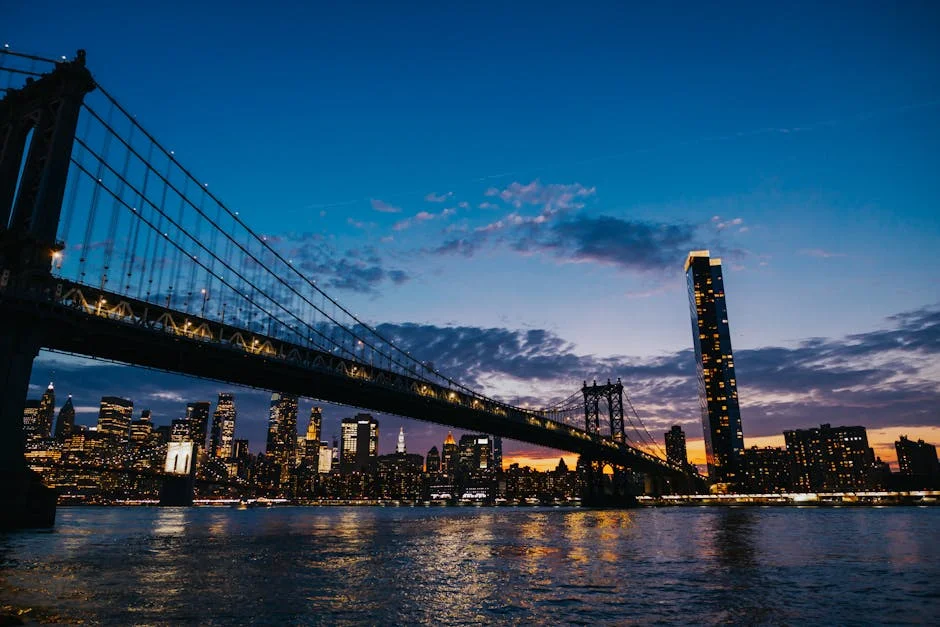
Manhattan, known for its iconic skyline and vibrant urban life, recently experienced one of its heaviest snowfalls in decades. As Central Park turned into a picturesque winter wonderland, the city came to a standstill, with transportation disrupted and residents confined to their homes. This occurrence is not merely a meteorological event; it highlights the growing challenges of climate change and urban management that many global cities face, including those across Africa.
Key Developments
The snowfall in Manhattan coincided with a series of winter storms affecting the northeastern United States. The accumulation of snow presented both challenges and opportunities for the local government, which had to mobilise resources for snow removal, road safety, and emergency services. As Manhattan navigates the aftermath, it is essential to consider how such scenarios resonate with similar challenges on the African continent.
Details and Evidence
According to the National Weather Service, the snowfall measured nearly 60 centimetres, making it one of the top ten snowfalls in New York's recorded history. The city's response involved approximately 2,000 workers and 700 pieces of snow-clearing equipment deployed across the boroughs. In addition, the event has sparked discussions about climate preparedness and infrastructure resilience, echoing the concerns faced by many African nations in combatting climate-related disasters.
Analysis: African development and pan-African perspective
From an African perspective, the implications of Manhattan's snowfall extend beyond mere weather patterns. The incident serves as a reminder of the pressing need for robust infrastructure, effective governance, and climate resilience strategies across the continent. African cities, often grappling with inadequate infrastructure and limited resources, must learn from the experiences of cities like New York. The ability to respond to climate-induced challenges is crucial for achieving sustainable development goals (SDGs) such as climate action, sustainable cities, and effective governance.
Impact and Implications
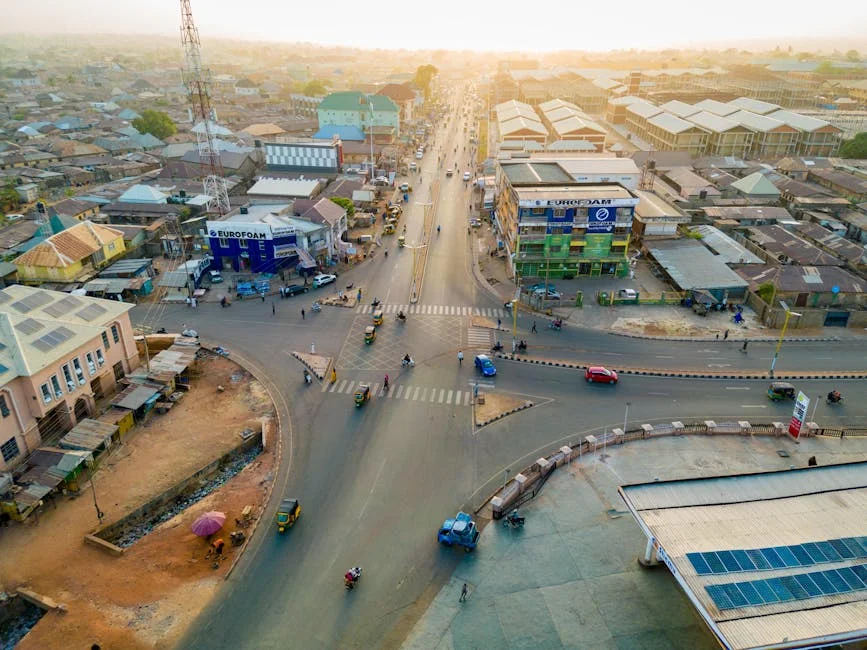
The snowstorm's repercussions in Manhattan may seem distant, yet they highlight a universal challenge: the need for improved urban planning and climate resilience. As Nigeria, for instance, faces its own environmental challenges, including flooding and erratic weather patterns, the lessons from Manhattan can inform policy decisions. Urban centres in Nigeria, such as Lagos and Abuja, must prioritise infrastructure development that can withstand extreme weather events, ensuring safety and economic stability for their populations.
Outlook
Looking forward, experts emphasise the importance of integrating climate resilience into urban planning, not only in New York but globally, including Africa. As the world becomes more interconnected, the experiences of cities like Manhattan can provide valuable insights for African nations. Stakeholders should focus on fostering partnerships that enhance knowledge sharing around climate adaptation strategies, ultimately paving the way for more sustainable urban environments. Readers should watch for initiatives and frameworks emerging from both developed and developing nations aimed at addressing these pressing challenges.