Montenegro's government has publicly acknowledged a significant budget deficit, prompting discussions with political parties about the implications for national development. This revelation comes amidst global economic challenges and highlights the intricate relationship between governance and financial stability.
Understanding the Deficit: Key Figures and Reactions
On 15th October 2023, Montenegro's finance minister revealed that the country faces a deficit of approximately 4.5% of its GDP. This figure exceeds the previously projected 3% and has raised alarms among various political factions. During a parliamentary session, Minister of Finance, Milojko Spajić, expressed concerns about the sustainability of current spending levels, particularly in light of rising public debt.
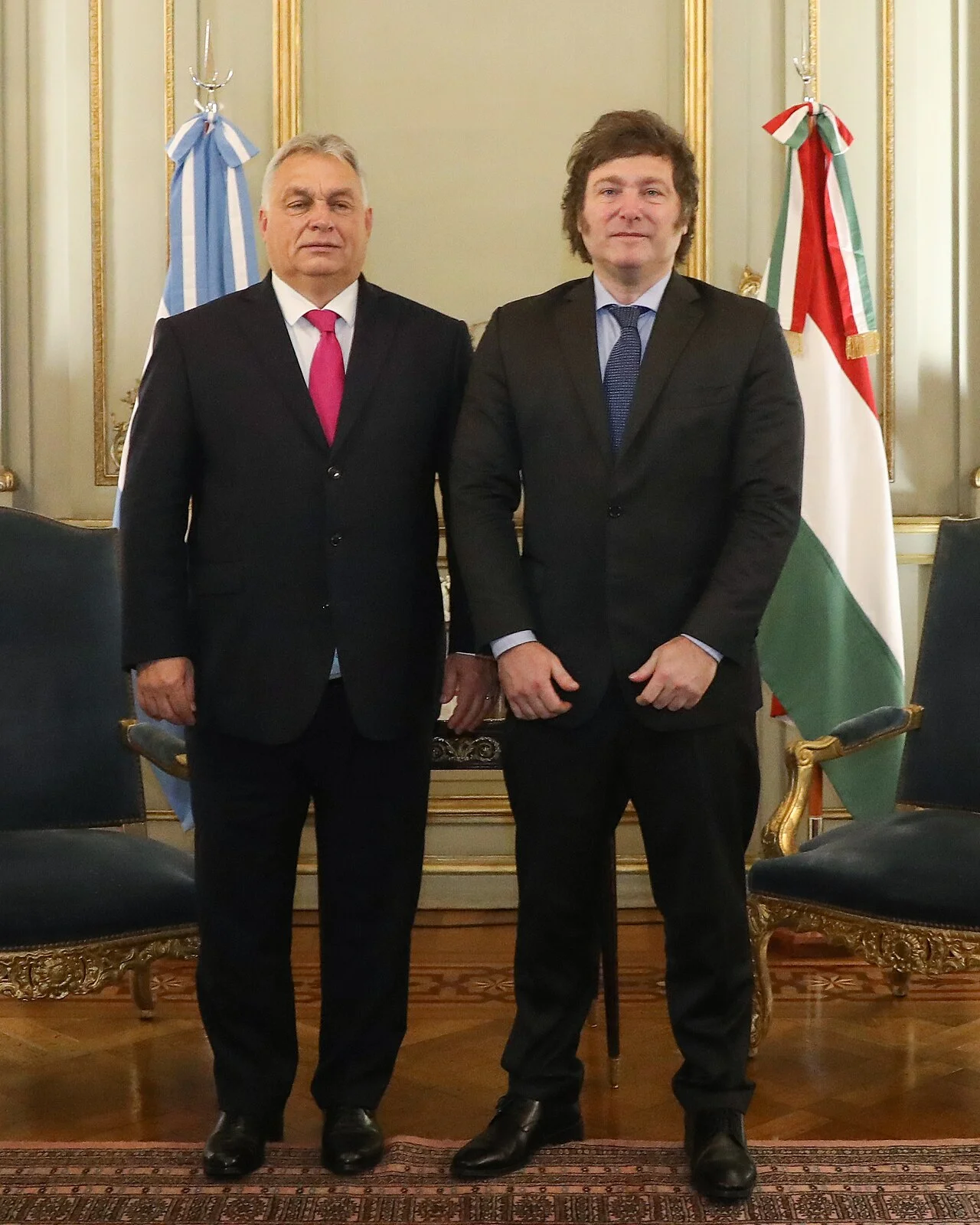
The admission has sparked a flurry of reactions from opposition parties, with many demanding a comprehensive plan to address the deficit. This situation is not merely a local concern but resonates with broader themes relevant to many African nations grappling with similar fiscal challenges.
Montenegro's Economic Landscape: A Lesson for Africa
Montenegro's economic landscape is marked by a reliance on tourism and foreign investment, sectors that have been severely affected by recent global crises. This scenario is reminiscent of several African economies that depend heavily on a narrow range of industries for growth. The need for diversification is critical, as it can provide stability against external shocks.
The challenges faced by Montenegro serve as a reminder for African nations striving to meet development goals. The African Union has set ambitious targets for economic growth, health, and education, yet many countries remain vulnerable to fiscal mismanagement and economic downturns. Understanding how Montenegro navigates its current predicament could offer valuable insights for policy-makers across the continent.
The Role of Governance in Economic Health
Good governance is essential for economic stability, particularly in resource-dependent nations. Montenegro's government has been urged to demonstrate transparency and accountability in its financial dealings. This call for responsible governance echoes sentiments among African leaders who are increasingly recognising the importance of building resilient institutions.
As various African nations work towards achieving the Sustainable Development Goals (SDGs), the correlation between effective governance and economic performance becomes increasingly clear. Countries that invest in robust institutions and transparent policies are likely to achieve better outcomes in health, education, and infrastructure development.
Apoios: The Intersection of Aid and Development
Apoios, a term that refers to government support mechanisms, is particularly relevant in this context. It encompasses financial aids, grants, and subsidies provided to bolster economic growth. In Africa, these supports often play a crucial role in addressing immediate needs, but they can also lead to dependency if not managed properly.
This raises important questions about how Apoios affects Nigeria and other nations on the continent. Striking a balance between receiving aid and fostering self-sufficiency is a challenge that many African governments must navigate. The case of Montenegro's deficit highlights the risks associated with over-reliance on external support while underscoring the importance of creating sustainable economic policies.
Looking Ahead: Monitoring Montenegro's Recovery Efforts
The Montenegrin government has committed to implementing budgetary reforms aimed at curbing the deficit and restoring economic stability. This move will be closely watched, not only by local stakeholders but also by international observers interested in how governance impacts development.
For African nations, the lessons from Montenegro's financial situation are clear: addressing fiscal deficits requires a combination of sound policy, good governance, and strategic investment in key sectors. As the continent continues to pursue its development goals, the experiences of countries like Montenegro provide both cautionary tales and opportunities for growth.