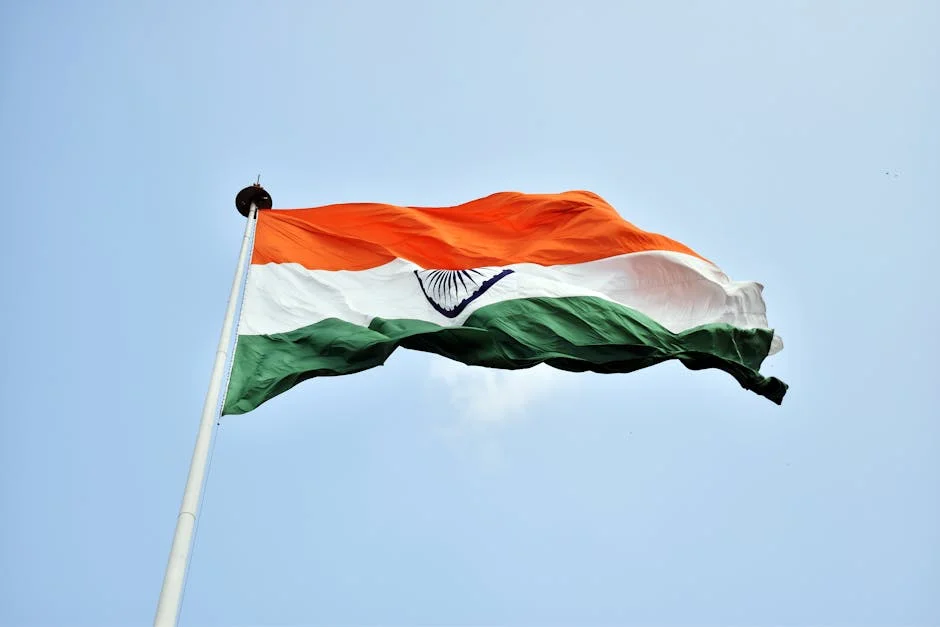
In a significant diplomatic initiative, Indian Prime Minister Narendra Modi and Finnish President Alexander Stubb have called for renewed efforts to resolve the ongoing conflicts in Ukraine and West Asia. This joint appeal, made during a recent summit, underscores the pressing need for global collaboration in addressing regional instability that has far-reaching implications, including for African nations.
Stubb's Vision for Peace in Conflict Zones
During their meeting, Finnish President Alexander Stubb emphasised the importance of dialogue and diplomacy in resolving the Ukraine conflict and tensions in West Asia. Stubb's remarks come as Finland assumes a more prominent role in international affairs, advocating for peaceful resolutions amid escalating geopolitical tensions. His call for comprehensive peace talks resonates strongly with many nations, particularly those in Africa, that are grappling with their own conflict challenges.
Modi's Balancing Act: India’s Role in Global Diplomacy
Prime Minister Modi's involvement in this diplomatic dialogue highlights India's growing influence in global politics. Modi has championed a multipolar world, advocating for collaborative solutions that include emerging economies. By addressing the crises in Ukraine and West Asia, India positions itself as a mediator, potentially creating opportunities for African nations to benefit from India's diplomatic reach and economic partnerships.
The African Perspective: Why West Asia Matters
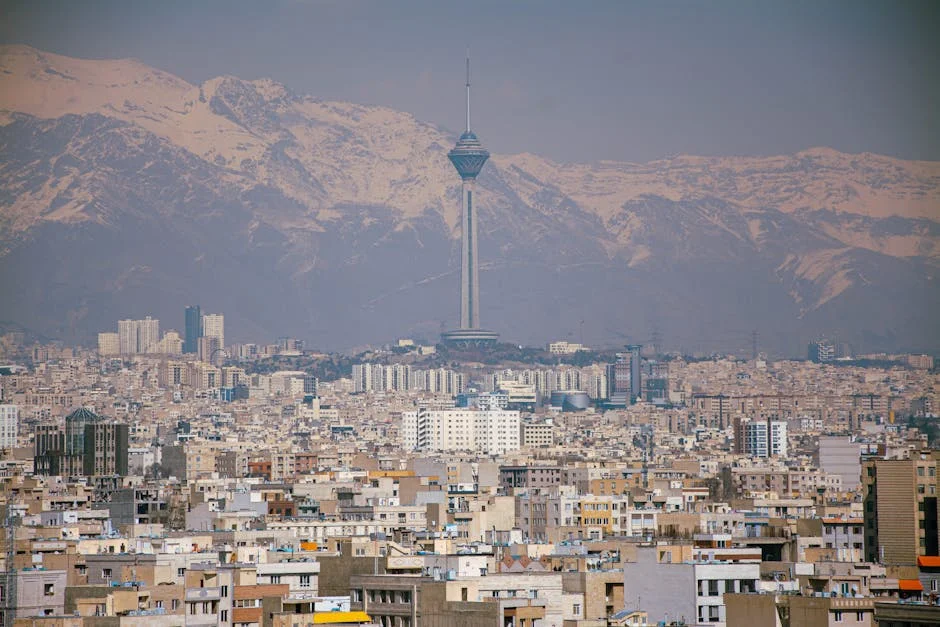
The conflicts in West Asia are not isolated; they have direct repercussions for Africa, especially in terms of economic stability and migration issues. The instability in regions like Iran and Syria has led to an influx of refugees, straining resources in neighbouring countries, including those in North Africa. Moreover, as African nations seek to diversify their economies, West Asia's energy dynamics directly affect their prospects for growth, particularly in oil-dependent economies.
Potential Gains: Investment and Development Opportunities
As countries like India and Finland push for peace in conflict zones, African nations stand to gain from the potential influx of investments and partnerships focused on reconstruction and development. Peace in West Asia could lead to increased trade routes and economic cooperation, giving African economies access to new markets. The African Union's Agenda 2063 prioritises economic growth and regional integration, making the resolution of conflicts in West Asia a potential catalyst for achieving these goals.
Looking Ahead: What’s Next for Africa?
The diplomatic alignment between Modi and Stubb signals a commitment to collaborative global governance that African leaders should watch closely. As these developments unfold, African nations may need to engage more actively in these discussions, ensuring their voices are heard in the quest for peace and stability. Future engagements may provide platforms for African countries to negotiate favourable terms that support their development goals while contributing to broader global stability.