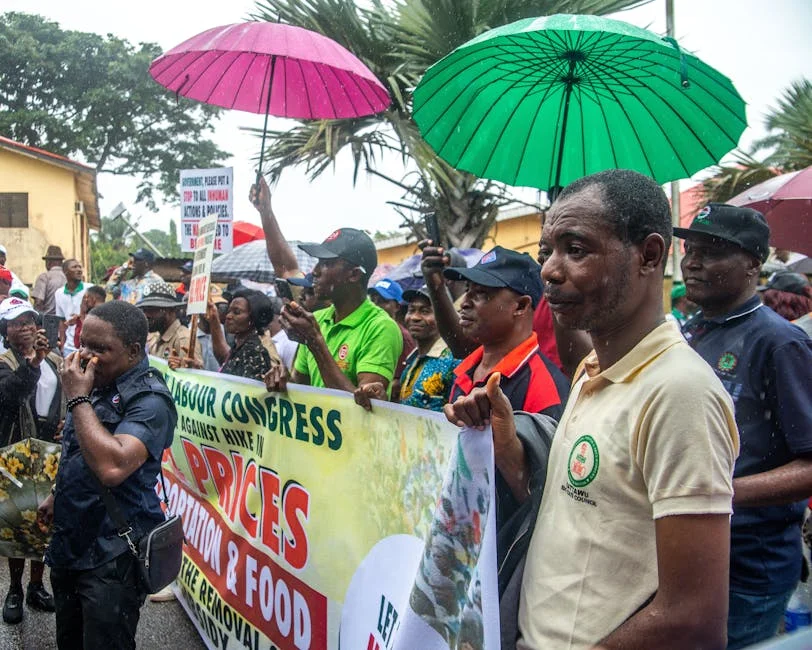
The ongoing crisis in the Middle East is causing a significant surge in petrol and diesel prices across India, raising concerns about its potential impact on Nigeria's economy. As tensions escalate, fuel costs are expected to rise further, which could have ripple effects across the African continent, particularly in nations reliant on imported oil.
Rising Fuel Costs Across India Amid Middle East Tensions
Following the recent escalation of geopolitical tensions in the Middle East, petrol and diesel prices in India have surged, with reports indicating that the average cost of petrol has crossed INR 100 per litre in several cities. This crisis is predominantly attributed to supply disruptions and rising crude oil prices, which have spiked as a consequence of the ongoing conflict.

How Indian Fuel Price Increases Could Impact Nigeria
Nigeria, as one of Africa's largest oil producers, is particularly vulnerable to changes in global oil prices. Despite being an oil-rich nation, Nigeria imports a significant amount of refined petroleum products due to outdated infrastructure and refining capabilities. According to data from the Nigerian National Petroleum Corporation (NNPC), fuel imports account for a substantial portion of Nigeria's foreign exchange expenditure.
Continental Challenges: Infrastructure and Governance
The rising fuel costs prompted by the crisis in the Middle East highlight the broader challenges faced by African nations, particularly in terms of infrastructure and governance. The lack of reliable energy sources and refineries in Nigeria exacerbates the situation, leading to economic instability and rising prices for consumers. Furthermore, governance issues, including corruption and mismanagement in the oil sector, hinder the country’s ability to respond effectively to such crises.
Opportunities for Development: Investing in Local Refineries
Amid the current crisis, there lies an opportunity for Nigeria to invest in local refining capacities and infrastructure development. By building and upgrading refineries, Nigeria can reduce its dependency on imported fuel and stabilise local fuel prices. The Nigerian government has recently announced plans to revamp its refineries, which could create jobs and stimulate economic growth if executed efficiently.
Implications for African Development Goals
The situation in the Middle East serves as a stark reminder of the interconnectedness of global economies, particularly for African nations heavily reliant on oil imports. It underscores the need for African countries to diversify their energy sources and improve their domestic capabilities to achieve the United Nations Sustainable Development Goals (SDGs), particularly those related to industry, innovation, and infrastructure.
What to Watch for Next: Fuel Prices and Political Stability
As the crisis in the Middle East unfolds, Nigerian consumers are likely to feel the pressure of rising fuel prices in the coming weeks. Stakeholders in the Nigerian government and private sector must closely monitor these developments and prepare to respond to the potential economic fallout. The ability to maintain political stability amid rising fuel costs will be crucial for Nigeria’s future economic prospects and its commitment to achieving sustainable development goals.