In a startling development, hundreds of family members of jihadists have fled the Al-Hol camp in Syria, sparking concerns about security and the potential for the spread of extremism. This exodus, which occurred in early October 2023, raises urgent questions regarding the implications for countries like Nigeria, where similar challenges persist.
Mass Flight from a Controversial Refugee Camp
The Al-Hol camp, home to thousands of displaced individuals, has been a focal point for families connected to ISIS fighters. Reports indicate that approximately 700 family members escaped in a coordinated attempt to leave the camp. This incident occurred amidst deteriorating conditions within Al-Hol, including inadequate living conditions and rising tensions among residents. The escape highlights the urgent need for effective governance and rehabilitation strategies for individuals affected by global jihadist movements.
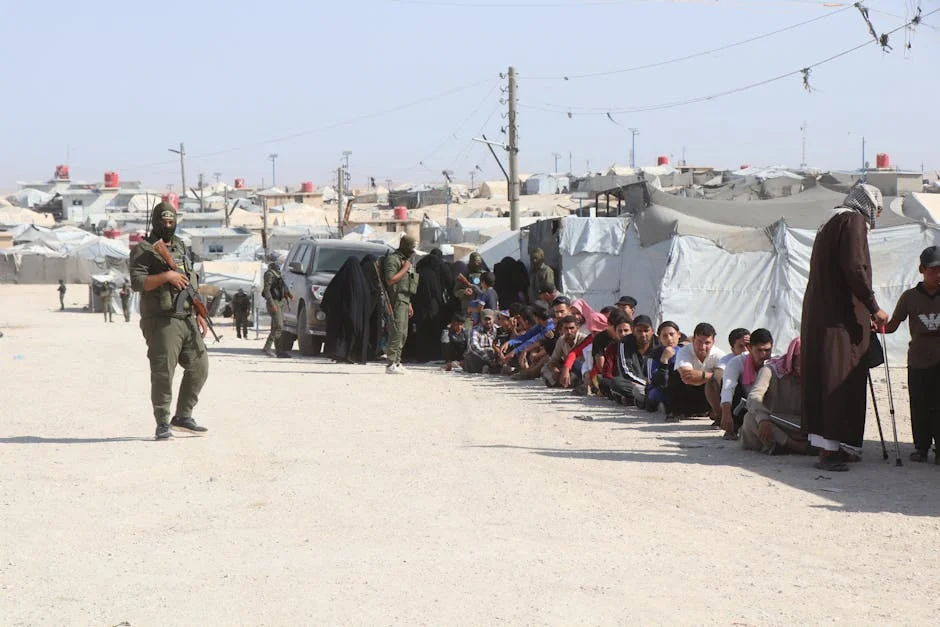
The Link Between Al-Hol and Nigeria’s Security Landscape
The implications of the Al-Hol situation extend far beyond Syria’s borders, particularly relating to Nigeria, which faces its own security challenges. With a growing number of Nigerians being radicalised by extremist ideologies, the mass exodus from Al-Hol poses a significant threat. Experts warn that individuals fleeing the camp could join or create new extremist factions in Africa, thereby complicating ongoing efforts to combat terrorism in the region.
Why Al-Hol Matters for African Development Goals
Understanding what Al-Hol represents is crucial for addressing broader African development goals. The camp serves as a microcosm of the challenges faced by African nations in managing displaced populations and the related risks of radicalisation. As countries like Nigeria work towards achieving the United Nations' Sustainable Development Goals (SDGs), particularly in health, education, and economic growth, the dynamics stemming from places like Al-Hol complicate these efforts. The potential influx of radicalised individuals risks undermining peace and stability, which are essential for sustainable development.
Continental Challenges Arising from the Al-Hol Exodus
The mass flight from Al-Hol is a stark reminder of the interconnectedness of global security issues. Nigeria, in particular, has grappled with the ramifications of extremism, which stifles economic growth and hampers educational initiatives. Furthermore, the governance challenges that arise from managing both internally displaced persons (IDPs) and returnees from conflict zones threaten to strain national resources. In this context, the situation at Al-Hol serves as a clarion call for African nations to adopt proactive measures in addressing the root causes of extremism.
Future Developments: What to Watch For
As Al-Hol continues to draw international attention, the situation remains fluid. Countries such as Nigeria must remain vigilant and prepared to respond to the potential influx of jihadist sympathisers. Policymakers should engage in dialogue with international partners to develop comprehensive approaches to both security and development that address the complexities of radicalisation and displacement. The Anexo latest news indicates that collaborative efforts may be necessary to mitigate the risks associated with this emerging crisis.