On Wednesday, the Louvre Museum in Paris announced the appointment of a new director following a dramatic $102 million heist of crown jewels, which has raised questions about security and governance in cultural institutions. The incident, which has drawn international attention, not only highlights vulnerabilities in France's heritage sites but also has connections to broader discussions about African development, particularly in governance and economic growth.
The Heist That Shocked the World
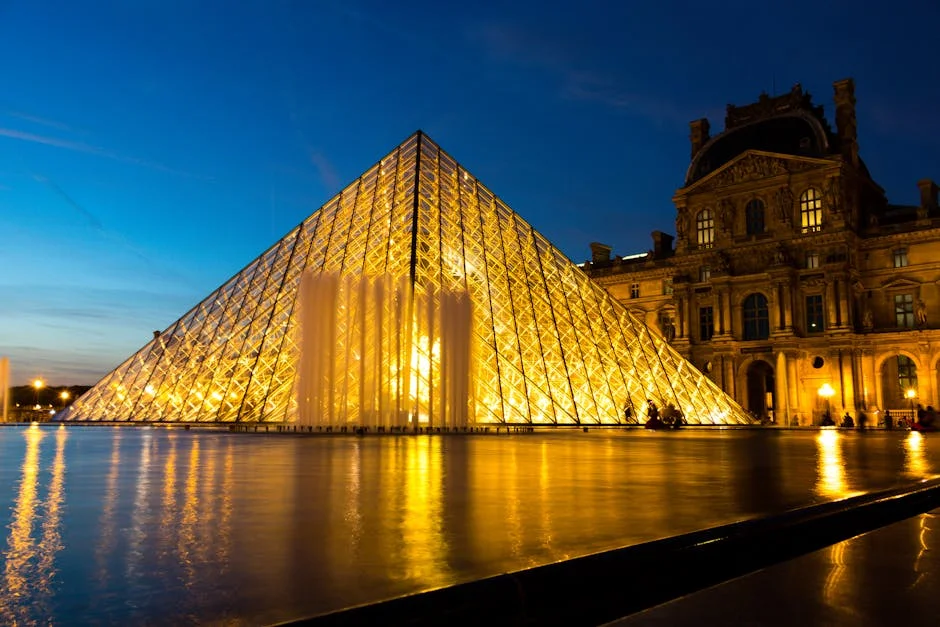
On Wednesday, the Louvre reported that a large quantity of crown jewels was stolen from its exhibition hall. The theft, valued at approximately $102 million, was executed with precision, showcasing a stark security lapse at one of the world's most renowned museums. As authorities investigate, the incident serves as a reminder of the importance of safeguarding cultural heritage.
Governance Challenges in Cultural Institutions
The appointment of a new director comes at a crucial time, as questions surrounding governance and security policies in cultural institutions are raised. This incident parallels challenges faced by many African nations, where governance often struggles to keep pace with economic ambitions. In countries like Nigeria, the need for robust governance frameworks is paramount for sustainable development, especially in sectors like education and infrastructure.
Connections to African Development Goals
The Louvre's recent turmoil reflects not only on French custodianship of art but also on the wider implications for African nations striving to protect their own heritage while pursuing growth. The United Nations’ Sustainable Development Goals (SDGs) emphasise the importance of preserving cultural heritage and promoting inclusive and sustainable economic growth. For African countries, this means investing in infrastructure that secures cultural sites while enabling economic opportunities.
Potential Opportunities for Collaboration
As France reassesses its security protocols, there is an opportunity for African nations to engage in knowledge exchange regarding heritage protection. With numerous African countries rich in cultural assets, collaboration on security measures and cultural preservation could create a framework that benefits both continents. For instance, Nigeria's cultural institutions could leverage lessons learned from the Louvre's experience to fortify their own heritage sites against similar threats.
What’s Next for the Louvre and Africa?
The Louvre's move to appoint a new director signifies a commitment to reform and enhancement of security, which could serve as a model for governance improvements in cultural sectors worldwide. African nations should watch closely as developments unfold, considering how these lessons could be integrated into their own governance models. As the global community reflects on the implications of this heist, the prioritisation of cultural preservation and governance will be essential for both Africa and Europe in achieving sustainable development.