As Africa grapples with health challenges, ivermectin, once hailed as a potential Covid-19 cure, is now being tested for its efficacy against cancer. This shift in focus, occurring in 2023 across various research institutions, highlights both the continent's health innovation landscape and the urgent need for effective treatment options amid ongoing healthcare crises.
A Shift in Treatment Paradigms: What is Being Tested?
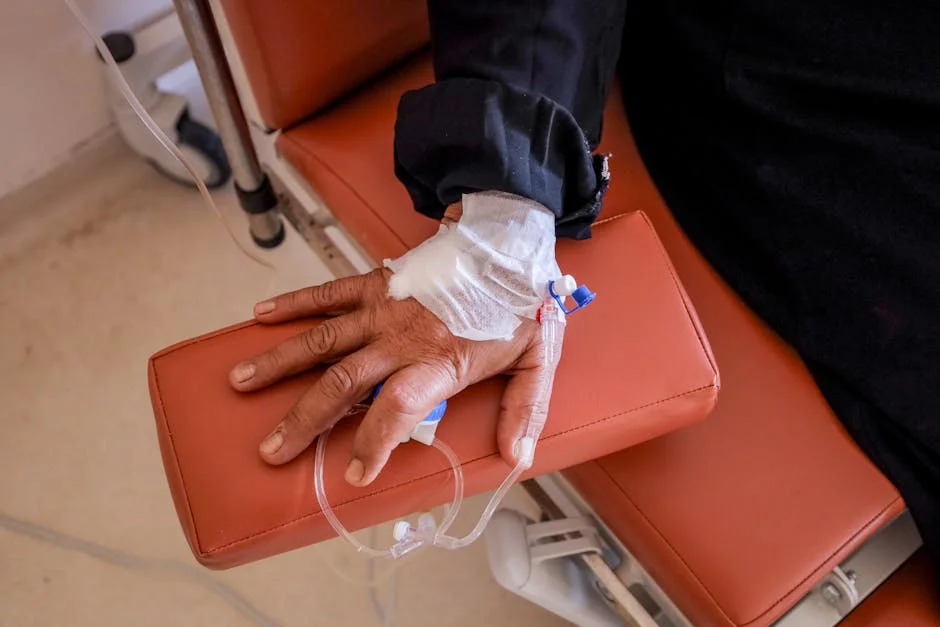
Initially celebrated for its potential to combat Covid-19, ivermectin is undergoing clinical trials to assess its effectiveness in treating various forms of cancer. Research teams in Nigeria and South Africa are leading the charge, building on ivermectin's established use in treating parasitic infections. The trials, which began in early 2023, aim to determine the drug's impact on cancer cells, providing hope for more affordable treatments in a continent where healthcare costs are often prohibitive.
Why Ivermectin Matters to Africa's Health Landscape
The repurposing of ivermectin signifies an important development in Africa's health strategy, particularly in the context of limited access to advanced medical treatments. With cancer rates rising in sub-Saharan Africa, the need for cost-effective therapies is urgent. Ivermectin's potential could offer a dual benefit: treating cancer while also easing the financial burden on patients and healthcare systems. This aligns with the African Union's Agenda 2063, which emphasises the importance of universal health coverage and the reduction of disease burden.
The Challenges of Cancer Treatment in Africa
Despite the promise of new therapies, significant challenges remain. Africa faces a shortage of healthcare infrastructure, with many countries lacking adequate facilities for cancer treatment. Moreover, awareness and education regarding cancer are often insufficient, leading to late diagnoses and poor treatment outcomes. The ongoing trials of ivermectin reflect not only a pursuit of innovation but also an acknowledgment of these systemic issues, as stakeholders seek to improve health outcomes across the continent.
Opportunities for Economic Growth Through Health Innovation
The focus on ivermectin and other repurposed drugs presents a unique opportunity for economic growth in African nations. By investing in local research and development, countries can foster a robust pharmaceutical sector, which could lead to job creation and improved healthcare access. Collaborative efforts with international partners can further enhance these initiatives, ensuring that African nations remain at the forefront of health innovation.
What’s Next for Ivermectin Trials and African Health?
As the clinical trials progress, the outcomes will be closely monitored by health experts and policymakers alike. Success in proving ivermectin's efficacy against cancer could pave the way for broader applications of the drug, potentially transforming treatment protocols across the continent. The implications extend beyond health; they encompass economic and social dimensions, as improved health outcomes can lead to a more productive workforce and reduced healthcare costs. For Nigeria and its neighbours, the health update regarding ivermectin could serve as a catalyst for renewed focus on health infrastructure and innovative treatment solutions.