Israel's recent partnership with Somaliland aims to combat severe drought conditions affecting local farms, raising hopes for sustainable development in the region.
Israeli Expertise to the Rescue
In a significant move aimed at revitalising agriculture in Somaliland, Israel has entered into a partnership with local authorities to implement advanced irrigation and farming techniques. This collaboration, announced earlier this month by Somaliland's Minister of Agriculture, Muhummad Mohamad Ismail, comes at a critical time as the region grapples with the devastating effects of a prolonged drought that has crippled food production.
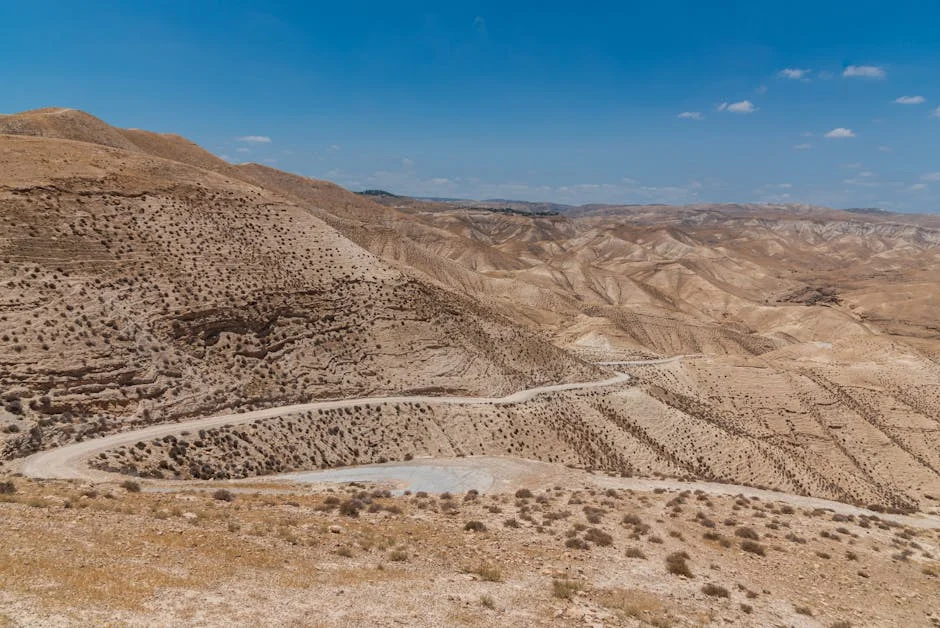
Drought's Impact on Somaliland's Agriculture
Somaliland, which declared independence from Somalia in 1991, has faced recurrent droughts that have severely impacted its agricultural sector, leading to food insecurity for many residents. According to the Food and Agriculture Organization (FAO), more than 4 million people in the Horn of Africa are currently in need of humanitarian assistance due to the ongoing drought, with Somaliland being one of the hardest-hit areas. The collaboration with Israeli experts is seen as a vital step towards improving agricultural resilience in the face of these environmental challenges.
Technological Innovations and Local Capacity Building
The Israeli initiative focuses on integrating cutting-edge agricultural technologies, including drip irrigation and climate-smart farming methods. By leveraging Israel's expertise in arid agriculture, the partnership aims not only to enhance crop yields but also to equip local farmers with the skills necessary for sustainable farming practices. This aligns closely with the African Union's Agenda 2063, which seeks to promote agricultural development as a key driver of economic growth across the continent.
Governance and Regional Stability
This partnership also highlights the importance of governance and regional stability in facilitating foreign investment and technology transfer. As Somaliland continues to establish itself as a self-governing entity, strengthening ties with countries like Israel could open doors for further international collaborations that address pressing developmental challenges such as health, education, and infrastructure. Ismail noted that this partnership is a model for other African nations looking to harness international expertise to tackle local issues.
Looking Ahead: Opportunities for Growth
As the partnership progresses, it will be crucial to monitor its impact on both local agriculture and broader economic development in Somaliland. The success of this initiative could serve as a blueprint for similar collaborations across Africa, where many nations face comparable challenges with climate change and food security. Stakeholders should keep an eye on potential future announcements regarding expansion or replication of these initiatives in other drought-prone regions.