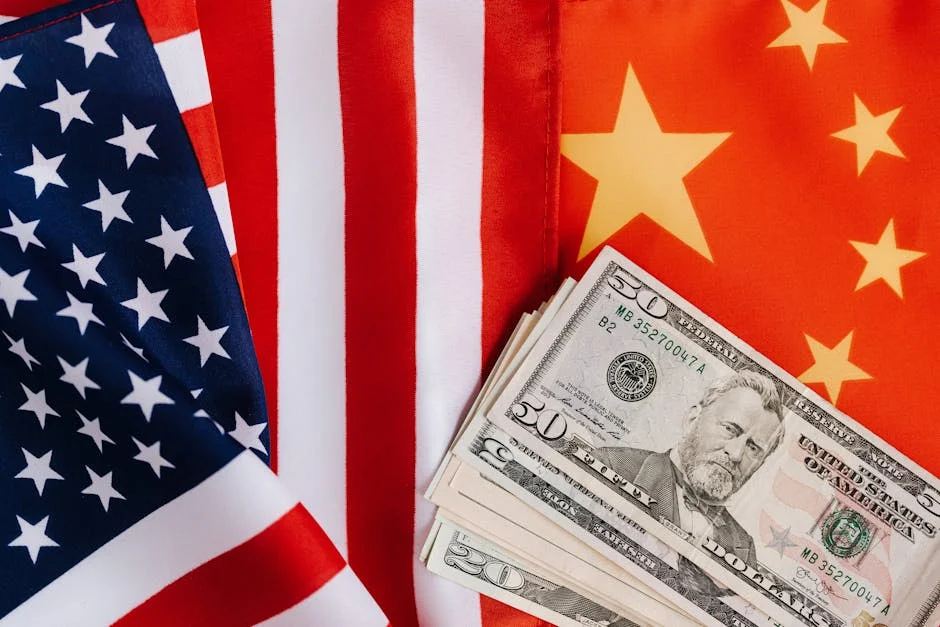
The ongoing conflict in Iran is not just reshaping the political landscape of the Middle East; it’s also setting the stage for China to extend its influence across Asia, potentially creating new opportunities for trade and investment that could resonate with Africa’s development goals.
China Seizes Opportunities in Asia
The tensions in Iran have provided China with an opportunity to strengthen its foothold in the region. As other global powers may be distracted by events in the Middle East, China can focus on deepening its economic ties with countries such as Pakistan, Bangladesh, and Sri Lanka through initiatives like the Belt and Road Initiative. This strategic move allows China to enhance its access to crucial resources and markets, while also positioning itself as a reliable partner for regional stability.

Africa Looks to Benefit from Asia's Shifts
Africa stands to gain from the changing dynamics in Asia. With China increasingly focusing on its Asian neighbours, there is potential for greater engagement with African nations. This could lead to increased investment in sectors such as infrastructure, manufacturing, and technology, which align closely with Africa’s developmental priorities. Moreover, as China seeks to diversify its economic partnerships, Africa offers a vast market with growing consumer demand, making it an attractive destination for Chinese companies looking to expand their reach.
Economic Growth and Trade Ties
The impact of the Iran conflict on global oil prices has significant implications for both Asia and Africa. Higher oil prices benefit oil-producing nations in Africa, such as Nigeria and Angola, while potentially putting pressure on import-dependent economies in Asia. This scenario could encourage more direct trade between Africa and Asia, reducing reliance on traditional European and American markets. Additionally, as China continues to invest in infrastructure projects in Africa, it creates a robust network of ports, roads, and railways that facilitate smoother trade flows and support economic growth.
Governance and Development Goals
The geopolitical shifts in Asia have important lessons for Africa regarding governance and development strategies. By observing how China navigates complex relationships and secures its interests in the face of regional instability, African leaders can glean insights into effective governance and long-term planning. Furthermore, the emphasis on infrastructure development and technological innovation in China’s approach mirrors many of the goals outlined in Africa’s Agenda 2063, a comprehensive strategy for socio-economic transformation.
Health and Education Synergies
As China expands its influence in Asia, it brings along advancements in healthcare and education that can be shared with African partners. Collaborative research programs and educational exchanges can help African nations build stronger human capital, crucial for driving innovation and economic growth. Additionally, China’s experience in developing large-scale public health systems can inform Africa’s efforts to improve healthcare accessibility and quality, contributing to overall development goals.
Opportunities for Pan-African Collaboration
The evolving situation in Asia presents a chance for enhanced collaboration among African nations. As China strengthens its connections with various Asian countries, it encourages a more interconnected global economy where African nations can work together to negotiate better terms for trade and investment. This collaborative approach can lead to more balanced economic partnerships and support the broader goal of African unity and self-reliance.