China has announced a new tariff-free regime for African nations, a move that could significantly boost trade and investment between the two regions. However, experts caution that there are also potential downsides to consider.
New Opportunities for Trade and Investment
The decision by China to remove tariffs on goods from African countries is seen as a major coup for the continent. This move is expected to foster increased trade and investment flows, which will help to drive economic growth and create jobs across Africa. In particular, it is hoped that the deal will benefit small and medium-sized enterprises (SMEs) in Africa, who have often struggled to compete on the global stage due to high import costs.
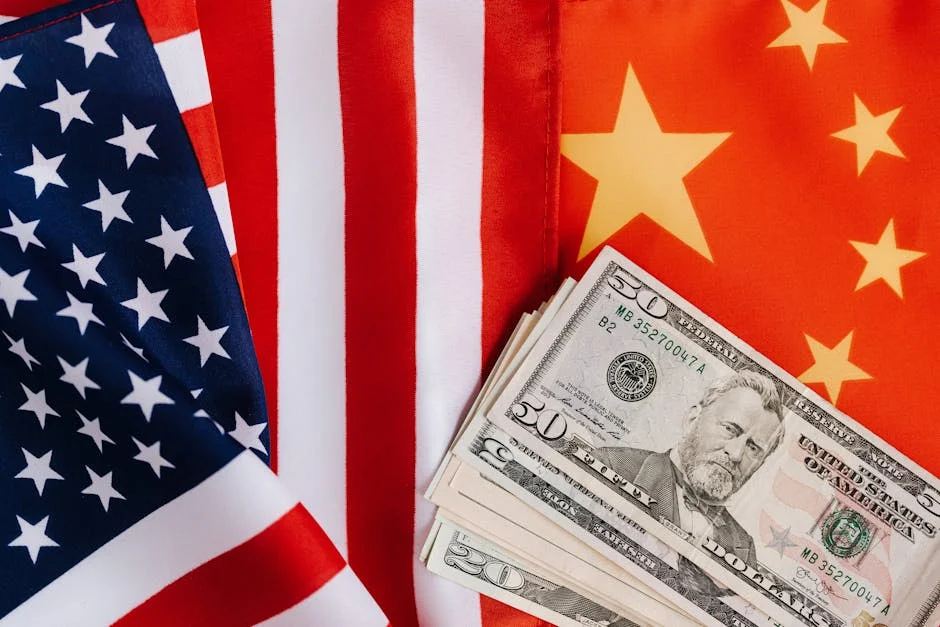
African leaders and businesspeople alike have welcomed the news, seeing it as an important step towards achieving the continent’s development goals. By reducing barriers to entry for African products in the Chinese market, the new regime is expected to encourage more companies to set up operations in Africa, bringing with them much-needed technology and expertise.
Economic Growth and Development
The impact of this new tariff-free regime on Africa’s economic growth cannot be overstated. With China being one of the world’s largest economies, access to its market will provide a significant boost to African exports. This, in turn, should lead to increased foreign exchange earnings, which can be used to fund infrastructure projects, healthcare initiatives, and educational programmes.
In addition, the influx of Chinese investment into Africa is likely to create a ripple effect throughout the economy, stimulating demand for local goods and services. This will not only support existing businesses but also create new opportunities for entrepreneurs and startups across the continent.
Potential Downsides and Challenges
While the new tariff-free regime offers many benefits, there are also some potential downsides that need to be considered. One concern is the possibility of African industries becoming overly reliant on the Chinese market, which could make them vulnerable if there are any changes to China’s trade policies in the future.
Another challenge is the quality and variety of products that African countries can offer compared to those produced in other parts of the world. To fully take advantage of the new tariff-free regime, African producers will need to invest in improving their manufacturing capabilities and product ranges to meet the demands of Chinese consumers.
Infrastructure and Logistics
To realise the full potential of the new tariff-free regime, improvements in Africa’s infrastructure will be crucial. Better roads, ports, and airports will make it easier and more cost-effective for African businesses to export their goods to China and beyond. Furthermore, enhanced logistics networks will enable faster and more efficient movement of goods, helping to reduce delays and increase competitiveness.
Investment in infrastructure is also vital for attracting more Chinese companies to set up operations in Africa. Modern facilities and reliable transport links will make it easier for these firms to operate smoothly and efficiently, encouraging them to choose Africa as their preferred location for expansion.
Governance and Policy Environment
The effectiveness of the new tariff-free regime will depend not just on physical infrastructure, but also on the policy environment in African countries. Stable and predictable governance is essential for creating a favourable climate for business, where investors feel confident about making long-term commitments.
African governments will need to work closely with private sector partners to ensure that policies are aligned with the needs of both domestic and international businesses. This may involve reforms to tax systems, labour laws, and intellectual property regulations, among others. By creating a supportive policy framework, African nations can attract even more Chinese investment and secure their place as key players in the global economy.
Education and Skills Development
As Africa seeks to capitalise on the new opportunities presented by the tariff-free regime, there will be a growing need for skilled workers in various sectors such as manufacturing, finance, and technology. Investing in education and training programs will be crucial for ensuring that African citizens have the knowledge and abilities required to succeed in these fields.
In addition to formal education, vocational training and apprenticeships can play an important role in developing the skills needed for specific industries. By fostering partnerships between educational institutions and businesses, African countries can create a pipeline of talent that will drive innovation and growth well into the future.