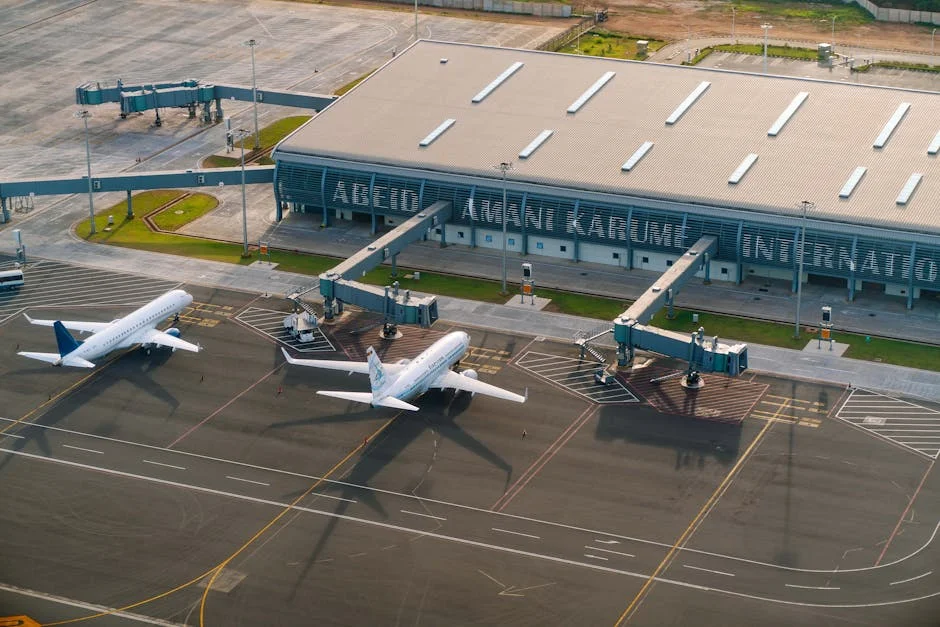
Ghana has officially renamed its Kotoka International Airport to honour the legacy of Kwame Nkrumah, igniting a renewed debate about the implications of military coups in Africa. This decision, made public on 1st October 2023, highlights the ongoing discourse surrounding governance and the historical context of leadership on the continent.
Context and Background
Kwame Nkrumah, Ghana's first president, is a pivotal figure in African history, known for his role in leading the country to independence in 1957 and advocating for pan-Africanism. His tenure was marked by both significant achievements and controversies, including his eventual overthrow in a military coup in 1966. The renaming of Kotoka Airport, which is named after General Emmanuel Kwasi Kotoka, one of the coup leaders who ousted Nkrumah, serves as a stark reminder of the complexities of African political history and the ongoing struggle for good governance. The debate surrounding this event resonates in several African countries, where legacies of coups and military leaders continue to shape political landscapes.
Key Developments
The announcement by Ghana's government to rename the airport comes amid broader discussions about national identity and historical figures. The decision has prompted mixed reactions, with some viewing it as a necessary step toward honouring a leader who significantly contributed to the continent's liberation movements. Others have voiced concerns over glorifying a figure whose leadership style included authoritarian elements. This has, in turn, reignited discussions about the impact of military interventions in democratic governance across Africa.
Details and Evidence
Ghana’s Minister of Transport, Kwaku Ofori Asiamah, stated that the renaming aims to reflect the ideals of freedom and unity that Nkrumah championed. Recent surveys have shown that a significant portion of Ghanaians appreciate Nkrumah's contributions to education and infrastructure development during his presidency. Furthermore, the African Union’s Agenda 2063 emphasises the need for strong leadership and governance, underscoring the importance of historical context in shaping contemporary political narratives. This context is crucial, as many African nations grapple with challenges such as corruption, governance crises, and the need for socio-economic development.
Analysis: African development and pan-African perspective
The renaming of Kotoka Airport reflects a deeper inquiry into the values that underpin African development goals. By honouring Nkrumah, Ghana is not only recognising a pivotal historical figure but also emphasising the importance of visionary leadership in the continent's development journey. This decision resonates across Africa, where the legacies of past leaders—both positive and negative—continue to influence governance structures and public trust. Furthermore, the current political climate in several African nations demonstrates the ongoing struggle between democratic ideals and authoritarian tendencies, particularly in regions where coups have disrupted governance and development.
Impact and Implications
The consequences of this renaming extend beyond Ghana's borders. As debates around Nkrumah's legacy unfold, other African countries may reconsider their historical narratives and the figures they celebrate. This shift could impact political discourse and governance across the continent, especially in nations where coups have historically influenced power dynamics. Moreover, the conversation surrounding leadership styles may compel current and future leaders to evaluate their approaches to governance, promoting policies that align more closely with democratic principles and citizen engagement.
Outlook
As this dialogue continues, experts suggest that the discourse surrounding the naming of public spaces after historical figures should be approached with caution. Observers will be keen to see how this development influences other African nations grappling with their own histories of leadership and governance. Key areas to watch include public sentiment towards democracy, civil society engagement, and the effectiveness of governance structures in fostering economic growth and social cohesion. Ultimately, the discussions ignited by the renaming of Kotoka Airport could serve as a catalyst for a broader reflection on Africa's developmental trajectory and the importance of inclusive governance.