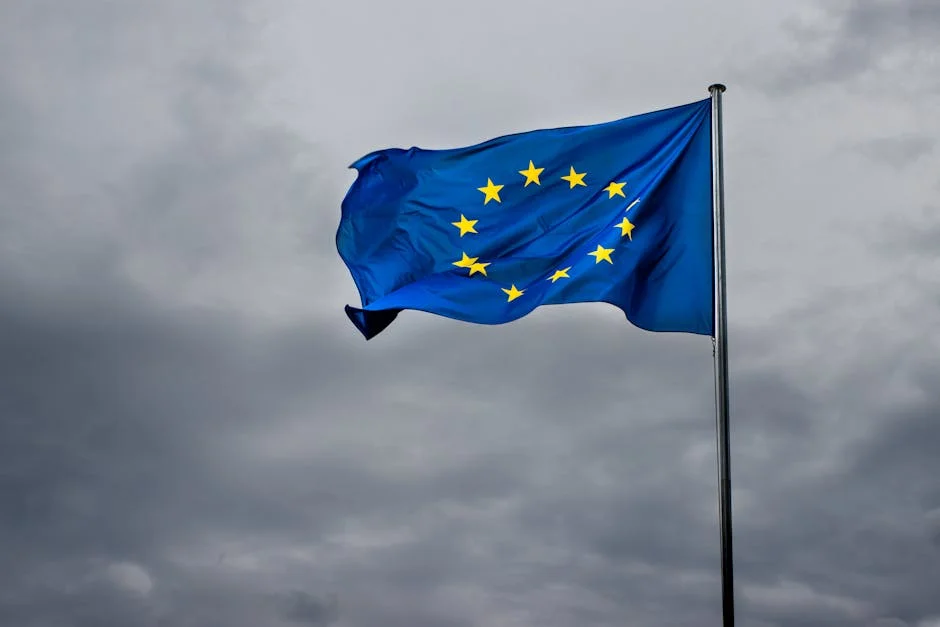
Recent data from Eurostat reveals that women in the European Union receive pensions that are 24.5% lower than their male counterparts, highlighting a significant gender disparity in financial security. This inequity, reported in October 2023, raises questions about the implications for African nations, particularly Nigeria, as they strive for gender equality and economic development.
Pension Inequality: A European Concern
The Eurostat report underscores the persistent issue of gender-based disparity in pension systems across Europe. As of October 2023, the average pension for women is significantly less than for men, which is a reflection of broader issues related to gender pay gaps, career interruptions, and the undervaluation of work traditionally done by women. This inequality not only affects the financial independence of women in retirement but also has implications for their overall economic stability.
Lessons for African Development Goals
The gender pension gap in Europe serves as a critical lesson for African countries, including Nigeria, as they work towards achieving the United Nations Sustainable Development Goals (SDGs), particularly Goal 5, which advocates for gender equality and empowerment of all women and girls. By examining the structural issues present in Europe’s pension systems, African nations can better address their own challenges related to gender wage disparities and financial security for women.
Continental Challenges in Gender Equality
In Africa, multiple factors contribute to the gender disparity in income and pensions. Cultural norms, limited access to education, and inadequate representation in governance often hinder women's economic potential. The findings from Europe could encourage African leaders to implement reforms that enhance women's access to education and employment opportunities, thereby improving their economic position and future pension benefits. Initiatives focusing on women's entrepreneurship and skills development are particularly crucial in this context.
Opportunities for Policy Reform in Nigeria
Nigeria, as Africa's largest economy, holds a pivotal role in spearheading initiatives aimed at addressing gender inequality. The European experience with pension disparities could inform Nigerian policymakers about the necessity of reforming social security systems to ensure equitable benefits for both men and women. By enhancing women's participation in the workforce and creating more inclusive economic policies, Nigeria could reduce the gender gap in pensions, contributing to overall economic growth and stability.
Future Implications for Women's Financial Security
The disparity in pensions between men and women in the EU is not merely a regional issue; it serves as a global call to action to address gender inequalities in all forms. The lessons learned from Europe can inspire African nations to actively pursue gender equity in financial systems, particularly in the context of pensions. As Nigeria and other African countries look toward sustainable development, ensuring that women receive fair compensation and benefits will be crucial in fostering a robust and inclusive economy.