EDP Renováveis, a leading renewable energy company, reported a profit of €216 million for the fiscal year ending in 2025, marking a significant turnaround for the firm. As the world grapples with climate change and energy transition, this development holds important implications for African nations striving to meet their energy and sustainable development goals.
EDP Renováveis' Strong Financial Recovery
After facing losses in previous years, EDP Renováveis has managed to bounce back with a robust profit figure of €216 million in 2025. This recovery is attributed to an increase in renewable energy production and strategic investments in wind and solar projects across Europe and North America. The company’s CEO stated, "Our commitment to clean energy has not only restored profitability but has also positioned us as a key player in the global energy transition."
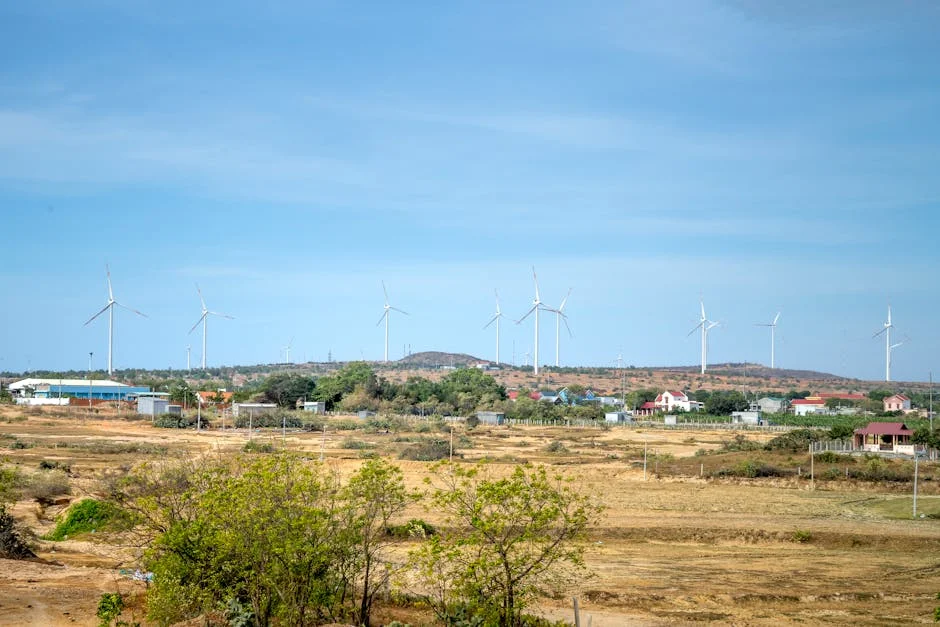
Renewable Energy and Africa’s Development Goals
This financial success story is particularly relevant for African countries where energy access remains a pressing issue. With the African Union's Agenda 2063 aiming for universal energy access, the performance of EDP Renováveis could be a catalyst for investment in renewable projects across the continent. Many African nations are looking to diversify their energy sources, reduce reliance on fossil fuels, and embrace sustainable practices that align with global climate agreements.
Opportunities for Investment in African Infrastructure
The success of EDP Renováveis highlights the potential for external investment in Africa’s renewable energy infrastructure. Countries like Nigeria, which face significant energy supply challenges, stand to benefit from partnerships with established companies in the renewable sector. The Nigerian government has been actively pursuing initiatives to enhance its energy infrastructure, and the profitability of firms like EDP could encourage more foreign direct investment in Africa’s energy landscape.
Health and Education: The Ripple Effect of Energy Access
Improved energy access has far-reaching implications for health and education in Africa. Reliable electricity can power schools and hospitals, enhancing the quality of education and healthcare services. As EDP Renováveis continues to thrive and expand its operations, it could serve as a model for how renewable energy can directly impact human development in Africa, contributing to better health outcomes and educational opportunities for millions.
Governance and Economic Growth: The Role of Renewable Energy
Moreover, the governance framework surrounding energy investments will be crucial for translating these opportunities into tangible benefits. Strengthening regulatory environments and ensuring transparency in energy projects are essential for attracting sustainable investments. With the backdrop of EDP Renováveis' success, African policymakers must focus on creating stable governance structures that facilitate economic growth through renewable energy development.
Future Perspectives: What Lies Ahead for Africa?
As EDP Renováveis sets a precedent in the renewable sector, the focus now shifts to how African nations can harness this momentum. The challenge lies not just in attracting investment but also in implementing projects that are beneficial and sustainable for local communities. Observers will be watching closely to see how the developments in the renewable energy sector can be leveraged to meet Africa's growing energy demands while addressing climate change and promoting sustainable development.