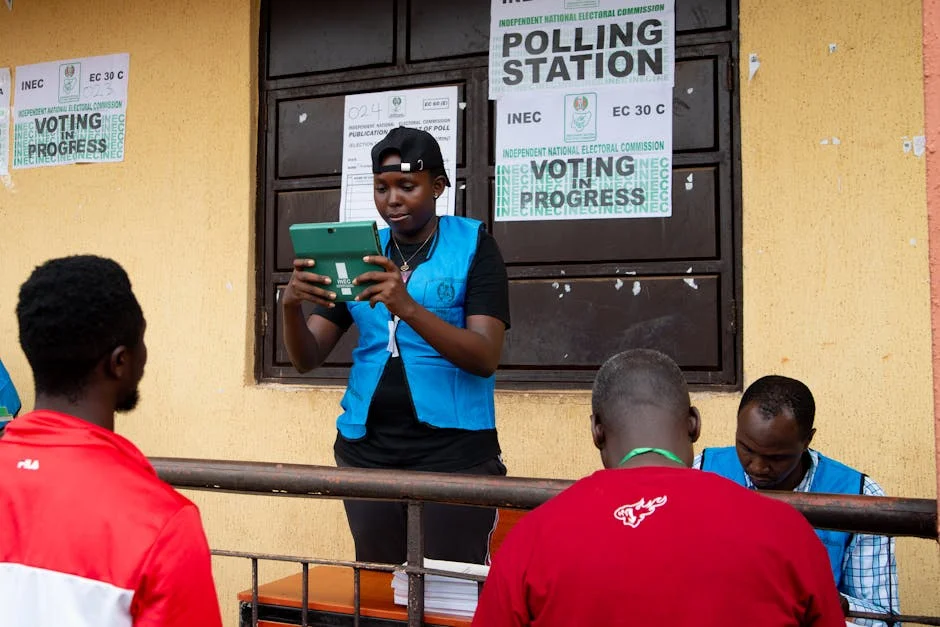
In a significant move towards enhancing governance and local empowerment, many African nations are embracing decentralisation as a strategy for development. This shift, which is gaining momentum across the continent, aims to improve infrastructure, health, education, and economic growth.
Decentralisation Initiatives Gain Traction Across the Continent
In recent years, several African countries have undertaken decentralisation initiatives to redistribute power and resources from central governments to local authorities. For instance, Uganda has implemented a decentralised system since the 1990s, which has allowed local governments to manage their own budgets and development projects effectively. Similarly, Kenya's 2010 Constitution established a framework for devolution, enabling counties to make key decisions about their development priorities.
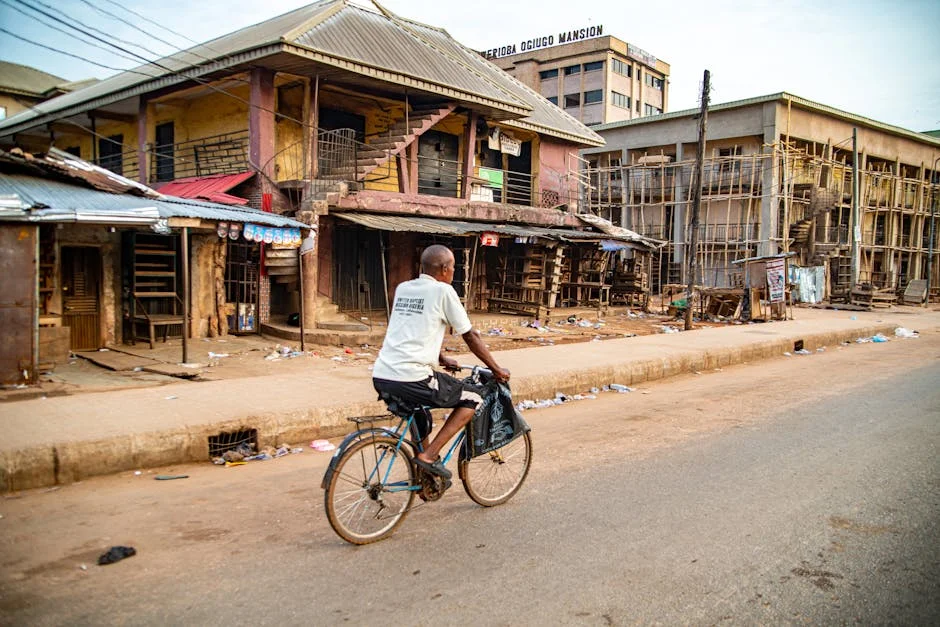
These initiatives are not only about governance; they represent a strategic response to the African Union's Agenda 2063, which calls for inclusive and sustainable development. By promoting local governance, countries aim to engage citizens in decision-making processes and address regional disparities in development.
Empowering Local Communities for Health and Education
Decentralisation has profound implications for health and education systems in Africa. Local governments are often better positioned to identify community-specific needs and allocate resources accordingly. In Ethiopia, the Health Extension Programme has successfully trained local health workers, resulting in improved maternal and child health indicators. This model exemplifies how decentralised governance can directly enhance health outcomes.
In the realm of education, decentralisation allows for tailored solutions that are responsive to local contexts. For instance, in Tanzania, local authorities have been given greater authority to manage school resources, which has led to increased enrolment rates and improved school facilities. By localising education governance, these initiatives not only foster better educational outcomes but also contribute to a more informed and skilled workforce.
Challenges of Decentralisation: A Double-Edged Sword
Despite its promises, decentralisation presents challenges that countries must navigate carefully. The risk of corruption at local levels, inadequate capacity of local governments, and disparities in resource distribution can undermine the intended benefits. For instance, in Nigeria, while some states have made progress in decentralisation, issues of mismanagement and lack of accountability persist, highlighting the need for robust frameworks and oversight mechanisms.
Moreover, the success of decentralisation initiatives often depends on the political will of central governments to relinquish control and empower local authorities genuinely. As seen in various nations, the reluctance of central leaders to decentralise power can stifle progress and exacerbate existing inequalities.
Opportunities for Economic Growth Through Local Governance
When executed effectively, decentralisation can be a catalyst for economic growth. By empowering local governments, communities can harness their unique resources and strengths to drive economic development. For example, in Ghana, local authorities are engaging with local businesses to promote entrepreneurship and job creation, fostering a more dynamic local economy.
The African Continental Free Trade Area (AfCFTA) further underscores the importance of local governance in economic development. As countries work to break down trade barriers and enhance intra-African trade, local governments must play a pivotal role in facilitating local businesses' participation in these opportunities. This shift towards local economic empowerment aligns with the broader goals of the African Union's Agenda 2063, which envisions an integrated and prosperous Africa.
What the Future Holds for Decentralisation in Africa
The story of decentralisation in Africa is still unfolding, and its outcomes will significantly shape the continent's development trajectory. Policymakers and stakeholders must remain vigilant in addressing the challenges while harnessing the opportunities this governance model offers. As African nations strive to meet their development goals, decentralisation presents a viable pathway to foster inclusive growth and empower citizens.
In conclusion, the decentralisation movement is not merely a governance reform; it is a crucial component of Africa's development strategy. As countries continue to embrace this approach, the potential for improved infrastructure, health, education, and economic growth becomes increasingly attainable, paving the way for a more prosperous future.