In a dramatic political shake-up, China has expelled 101 military officials as part of a series of purges aimed at consolidating power. This restructuring, which took place earlier this month, raises significant concerns not only for Taiwan but also for broader geopolitical stability that can influence African development goals.
Understanding the Purgas: What’s at Stake for Taiwan
The recent purges within the Chinese military reflect President Xi Jinping's intensified efforts to maintain control over the armed forces amid rising tensions with Taiwan. This move comes after a series of military drills near Taiwan, which China claims as its territory. Analysts are concerned that the purge may lead to increased aggressiveness from China towards Taiwan, impacting regional security and trade.
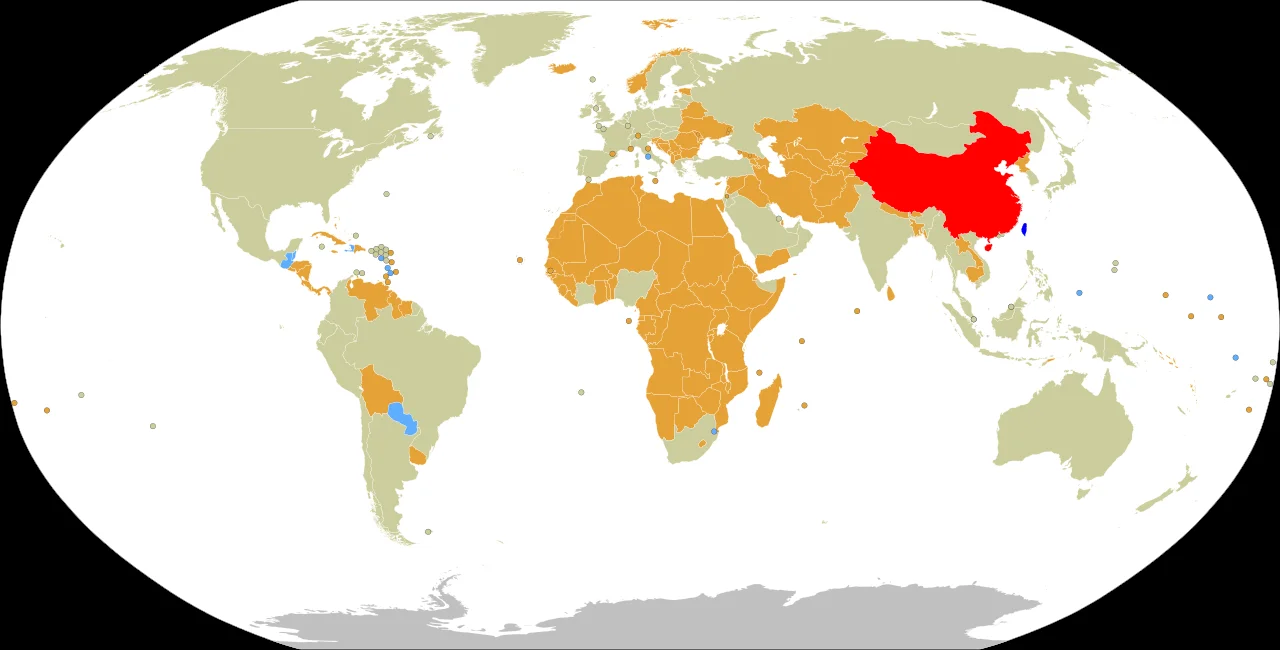
The Ripple Effects on African Nations
As China's influence in Africa expands, the implications of its internal military restructuring extend beyond regional borders. With many African nations reliant on Chinese investment for infrastructure and technological development, any destabilisation in China’s military or political landscape could lead to uncertainty in these partnerships. Countries like Nigeria, which are keen on advancing their technological capabilities, may find their developmental aspirations hindered if Chinese investment slows down.
Infrastructure Development: A Double-Edged Sword
China has been pivotal in financing major infrastructure projects across Africa, including railways, roads, and energy plants. However, the recent military purges could potentially deter Chinese firms from engaging in new projects, especially in politically sensitive regions. If these projects are delayed or halted, it could significantly derail the progress of African nations striving to meet their development goals.
Health and Education: The Need for Stability
The health and education sectors in many African countries are significantly bolstered by Chinese investments. Should there be a decline in investment due to political unrest in China, governments may struggle to provide essential services. This could exacerbate existing issues related to health infrastructure and educational access, which are crucial for long-term economic growth.
Governance and Economic Growth: A Call for Resilience
While the developments in China pose challenges, they also present opportunities for African nations to diversify their partnerships. By seeking alternative investors and strengthening intra-African trade, countries can build resilience against geopolitical fluctuations. Fostering local industries and enhancing governance structures will be essential to mitigate the risks associated with dependency on a single partner.
As the situation unfolds, it is vital for African leaders and policymakers to closely monitor the implications of China's military restructuring. The balance of power in Asia can have far-reaching effects, and proactive measures will be necessary to ensure that African development goals remain achievable and sustainable.