In a recent statement, the International Monetary Fund (IMF) urged China to prioritise consumption-led growth as the nation grapples with economic challenges. This call for change, made in October 2023, comes at a time when China's economic dynamics significantly influence the global landscape, particularly in Africa.
China’s Transformation: A New Economic Focus
The IMF's recommendation highlights a pivotal shift in China’s economic strategy, aiming to reduce its reliance on exports and infrastructure investment. With a population exceeding 1.4 billion, China’s economic health is critically intertwined with global markets. As China moves to stimulate domestic consumption, the impacts could reverberate through various economic corridors, including those in Africa.
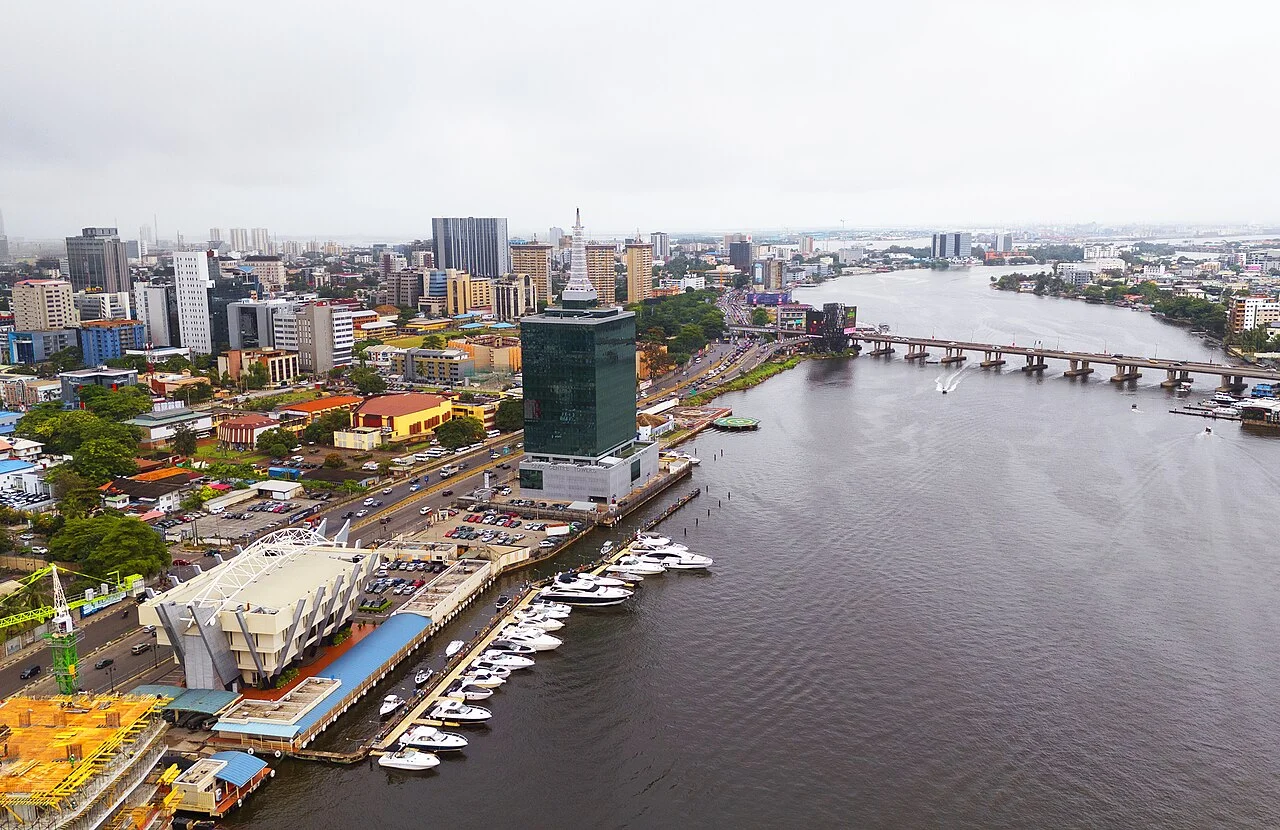
Nigeria: A Case Study of China’s Influence
For Nigeria, China's economic direction is especially pertinent. The African giant has been a significant trade partner, influencing sectors such as infrastructure and agriculture. In 2022, Nigeria imported approximately $5.4 billion worth of goods from China, making it one of the top beneficiaries of Chinese exports. Should China successfully pivot towards consumption-led growth, Nigerian exports—including oil and agricultural products—may experience shifts in demand, reshaping the economic landscape.
Implications for Infrastructure Development
Infrastructure is a cornerstone of Africa's development goals, and China's current investment strategy has been crucial in this regard. The Belt and Road Initiative (BRI) has seen China invest heavily in African infrastructure, with projects like the Lagos-Ibadan railway in Nigeria exemplifying this trend. However, a decrease in infrastructure projects from China could create shortfalls in funding and development, impacting African nations striving to meet their own growth targets.
Health and Education: The Ripple Effect
China's economic policies also have implications for health and education in Africa. As the Chinese economy pushes towards consumerism, the potential reduction in investment flows could affect healthcare infrastructure and educational partnerships established over the years. Many African countries have relied on Chinese funding for critical health programmes, particularly during the COVID-19 pandemic. A shift in China's focus could disrupt these vital resources, leaving gaps in healthcare and educational access that need urgent attention.
Governance and Economic Growth: Opportunities Ahead
The evolving economic landscape presents both challenges and opportunities for governance and economic growth in Africa. African nations are at a crossroads, needing to reassess their strategies in light of China's new direction. This situation may open doors for African governments to diversify their partnerships beyond China, fostering relationships with other emerging economies, such as India and Brazil. Moreover, this shift in focus could drive African nations to enhance domestic consumption, thereby stimulating local economies.
As African nations navigate these changes, attention must be paid to governance frameworks that can adapt to fluctuating international partnerships. Strengthening governance will be essential to harness the potential benefits of these economic shifts while mitigating any adverse impacts on development goals.
Future Watch: What Lies Ahead for Africa?
As China pivots its economic strategy, the African development landscape is poised for significant change. Stakeholders must closely monitor how these shifts will affect trade, investment, and development initiatives across the continent. The emphasis on consumption-led growth in China could be both a challenge and an opportunity, prompting African nations to innovate and strengthen their economies independently. Understanding these dynamics will be crucial for policymakers and business leaders looking to navigate the evolving relationship with one of the world’s largest economies.