In a decisive move to curb the spread of violence, Chad has closed its borders with Sudan, responding to the escalating conflict that has engulfed its neighbour. This action, taken on April 12, 2023, highlights not only Chad's immediate security concerns but also raises critical questions regarding regional stability and its implications for broader African development goals.
Context and Background
The conflict in Sudan, which erupted in April 2023 between rival military factions, has led to widespread destruction and a humanitarian crisis, prompting fears of regional destabilisation. Chad, which shares a long and porous border with Sudan, has historically been affected by the fallout from conflicts in its neighbour, including waves of refugees and increased cross-border violence. This closure marks the latest in a series of responses by African nations to manage the complexities of regional security and development amidst rising tensions.
Key Developments
Chad's government announced the border closure following reports of clashes in Sudan that threaten to spill over into Chadian territory. The decision was made to protect national security and maintain social order in Chad, which is already grappling with its own internal challenges, including poverty and governance issues. The Chadian government has also deployed additional troops to the border to enforce the closure, indicating a readiness to address any potential security threats.
Details and Evidence
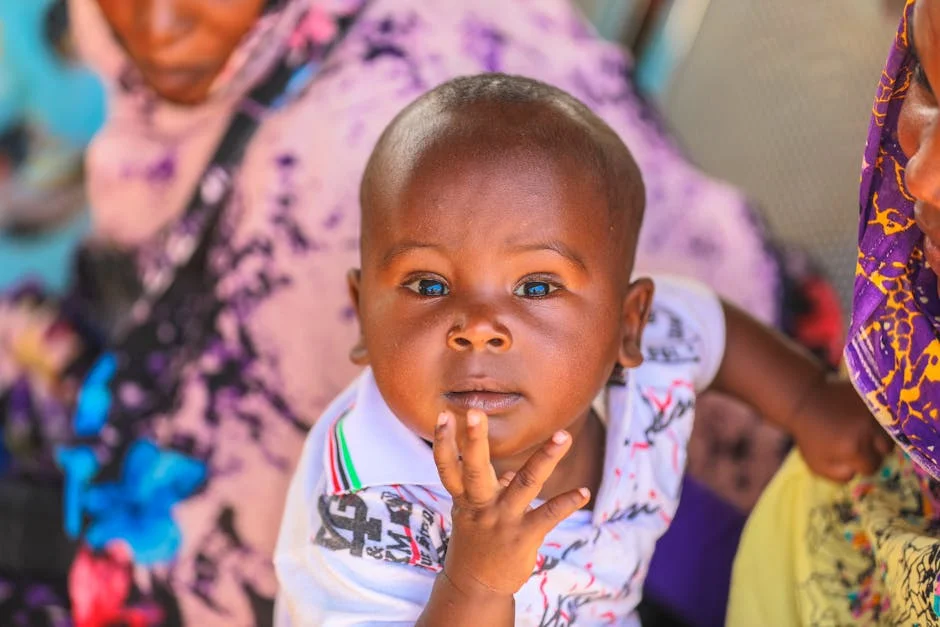
According to the UN, over 1.5 million people have been displaced due to the conflict in Sudan, with many fleeing into Chad, which had already been hosting a significant number of Sudanese refugees. The Chadian latest news highlights how the influx of refugees has strained local resources and infrastructure, exacerbating the existing vulnerabilities in a nation that ranks among the poorest in the world. Furthermore, Chad's economy, heavily dependent on oil and agriculture, risks further destabilisation as border closures impact trade routes and economic activities.
Analysis: African development and pan-African perspective
This border closure resonates significantly with the broader African development goals, particularly in terms of governance and stability. The African Union has emphasised the importance of peace and security as prerequisites for economic growth and development across the continent. Chad's response not only aims to safeguard its own citizens but is also an attempt to uphold regional stability, which is crucial for achieving the African Union's Agenda 2063 — a vision for a prosperous and integrated Africa.
Impact and Implications
The immediate consequence of this border closure is a potential increase in tensions along the Chad-Sudan border. Citizens in both countries may face heightened insecurity, and humanitarian organisations are likely to encounter significant operational challenges. Moreover, this situation could trigger a ripple effect, impacting Nigeria, where the political climate is sensitive to regional developments. As Sudan politics update continue to unfold, any further deterioration in the situation could lead to increased migration pressures into Nigeria, affecting its already strained resources.
Outlook
Looking ahead, experts suggest that while the border closure serves as an immediate measure to safeguard Chad, it is imperative for the international community and regional organisations to engage in diplomatic efforts to resolve the Sudan crisis. Analysts are urging African nations to collaborate more closely to address the root causes of conflict, which include governance failures and economic disparities. As the situation evolves, observers should closely monitor developments in Sudan and their implications for neighbouring countries, particularly in terms of migration, trade, and regional security collaborations.