The killing of Cecil the Lion in 2015 by an American dentist sparked global outrage, highlighting the pressing issues of wildlife conservation and ethical hunting practices in Africa. This event raised critical questions about governance, economic development, and the role of technology in protecting endangered species.
The Outrage That Shook the World
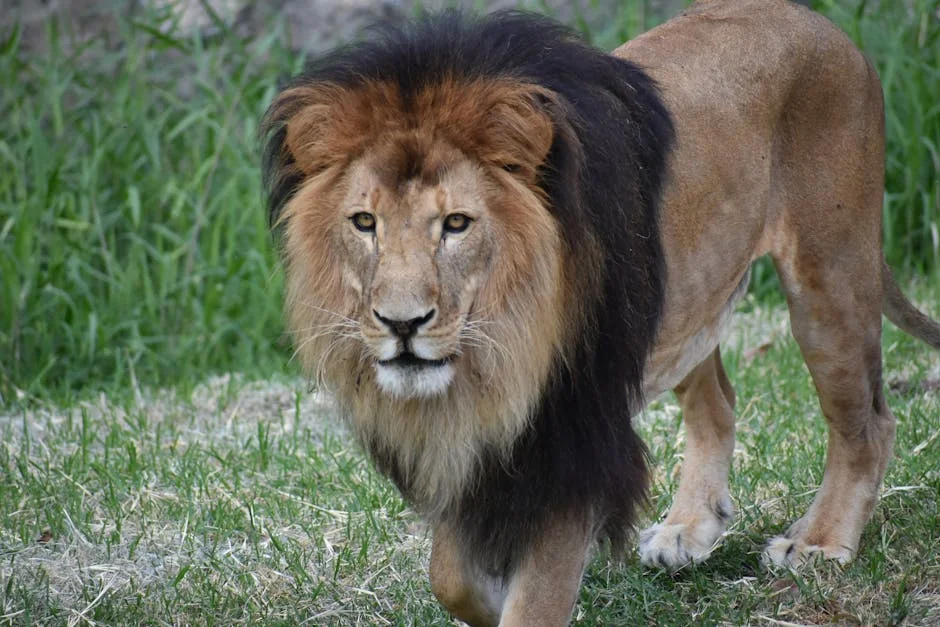
Cecil, a beloved lion residing in Hwange National Park, Zimbabwe, was lured out of the protected area and killed by Walter Palmer, a Minnesota-based dentist. This incident, which occurred in July 2015, sent shockwaves around the globe, leading to widespread condemnation and calls for stricter regulations on trophy hunting.
Impact on African Wildlife Conservation Efforts
The public outcry following Cecil's death brought significant attention to the challenges facing wildlife conservation in Africa. The incident highlighted the ongoing conflict between local communities and wildlife, as well as the economic benefits that can arise from responsible tourism and conservation efforts. With over 20,000 lions remaining in Africa, the need for sustainable practices and policies is more pressing than ever.
Governance and Ethical Hunting Practices
The Cecil incident raised important questions about governance in African countries. It underscored the need for transparency and accountability in wildlife management. Governments must balance conservation efforts with the economic interests of local populations, who often rely on hunting as a source of income. Striking this balance is crucial to achieving the African Union's Agenda 2063 goals for sustainable development.
Technological Innovations in Conservation
In the wake of Cecil's death, the use of technology in wildlife conservation has expanded significantly. Innovative approaches such as GPS tracking, drone surveillance, and community-based monitoring systems have emerged. These technologies not only help protect endangered species but also offer local communities the opportunity to engage in conservation efforts, providing them with a stake in the success of wildlife preservation.
A New Era for African Development Goals
Cecil's tragic demise serves as a reminder of the interconnectedness of wildlife conservation and human development. As African nations strive to meet their development goals, addressing the challenges of wildlife protection is essential. Sustainable tourism, driven by responsible wildlife management, can contribute to economic growth while ensuring the survival of iconic species like lions.
As the world continues to grapple with the implications of Cecil's death, the broader questions surrounding wildlife conservation, governance, and community involvement will shape the future of Africa's development landscape. The need for effective policies and innovative solutions remains critical to safeguarding both wildlife and the livelihoods of people across the continent.