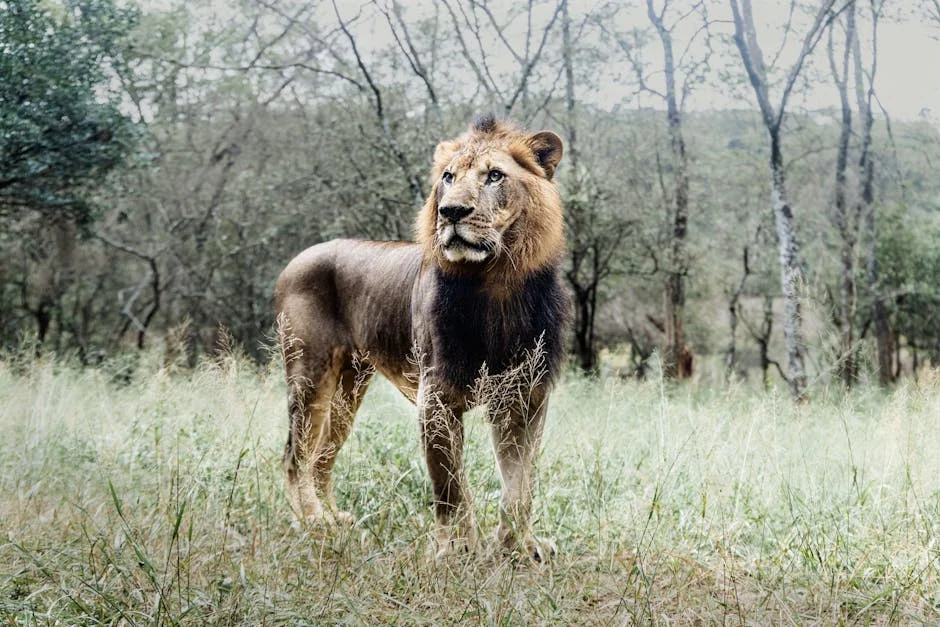
In 2015, the world was outraged by the killing of Cecil the Lion, a beloved figure in Zimbabwe's Hwange National Park. This incident, involving an American dentist, sparked a global conversation about wildlife conservation and the ethics of trophy hunting. As Zimbabwe grapples with its conservation policies, the implications for Africa's broader development goals cannot be overlooked.
Zimbabwe's Role in Global Conservation Efforts
Zimbabwe is home to some of Africa's most iconic wildlife, including elephants, lions, and rhinos. The killing of Cecil, which occurred in July 2015, was not merely an isolated incident; it highlighted the precarious balance between conservation and economic interests in the region. Tourists flock to Zimbabwe for its natural beauty and wildlife, contributing significantly to the local economy. However, the controversy surrounding Cecil's death raised questions about the sustainability of such practices and the need for more stringent wildlife protection laws.
The Environmental and Economic Stakes
According to a report by the World Bank, wildlife tourism contributes approximately $1 billion annually to Zimbabwe's economy. This revenue is crucial for the country, particularly in a landscape where economic challenges are rampant. Yet, the fallout from Cecil's killing has led to increased scrutiny of trophy hunting as a viable means of conservation funding. Critics argue that this practice undermines local efforts to preserve biodiversity and could potentially diminish the economic gains from eco-tourism.
How Cecil's Death Influenced Policy Changes
In the wake of Cecil's death, Zimbabwe implemented stricter regulations on hunting, aiming to mitigate the negative impacts of trophy hunting on wildlife populations. These changes reflect a growing recognition of the need for a more harmonised approach to conservation that balances economic growth with environmental sustainability. This shift is particularly relevant as African countries strive to meet the United Nations Sustainable Development Goals (SDGs), which include protecting biodiversity and promoting sustainable economic growth.
Governance and the Fight for Wildlife Protection
The governance of wildlife resources in Zimbabwe has historically been marred by corruption and mismanagement. The outrage following Cecil's death provided an opportunity for civil society and international organisations to advocate for better governance practices in wildlife conservation. Activists are now calling for greater transparency and accountability in how wildlife resources are managed, indicating a potential shift towards more participatory governance structures that involve local communities.
The Pan-African Perspective on Conservation and Development
The Cecil incident is not just a Zimbabwean issue; it resonates across the continent. As Africa faces numerous challenges, including climate change, habitat loss, and economic instability, it also presents opportunities for innovation and collaboration. Pan-African initiatives aimed at wildlife conservation can foster regional cooperation, encouraging countries to share best practices and resources. By focusing on sustainable development that prioritises both economic growth and environmental protection, African nations can work towards achieving the continent's overarching goals.
In conclusion, the death of Cecil the Lion serves as a poignant reminder of the complexities surrounding wildlife conservation in Africa. As Zimbabwe continues to navigate the challenges and opportunities in this domain, it is imperative for African countries to learn from such incidents. The path forward lies in embracing sustainable practices that align with both economic ambitions and the essential need to protect the continent's rich biodiversity.