In a significant move aimed at bolstering women's leadership across the continent, the African Women Leaders Network (AWLN) convened high-level meetings on the margins of the 39th African Union Summit in Addis Ababa on February 18, 2023. This gathering brought together influential women leaders from various sectors to discuss strategies for enhancing female representation and participation in governance.
Empowering Women: A Core Objective of African Development
The meetings were designed to align with the African Union's Agenda 2063, which emphasises gender equality as a critical driver of sustainable development. In many parts of Africa, women remain underrepresented in leadership roles, which hinders overall progress. According to UN Women, Africa has the potential to gain $12 trillion in GDP growth by achieving gender equality.
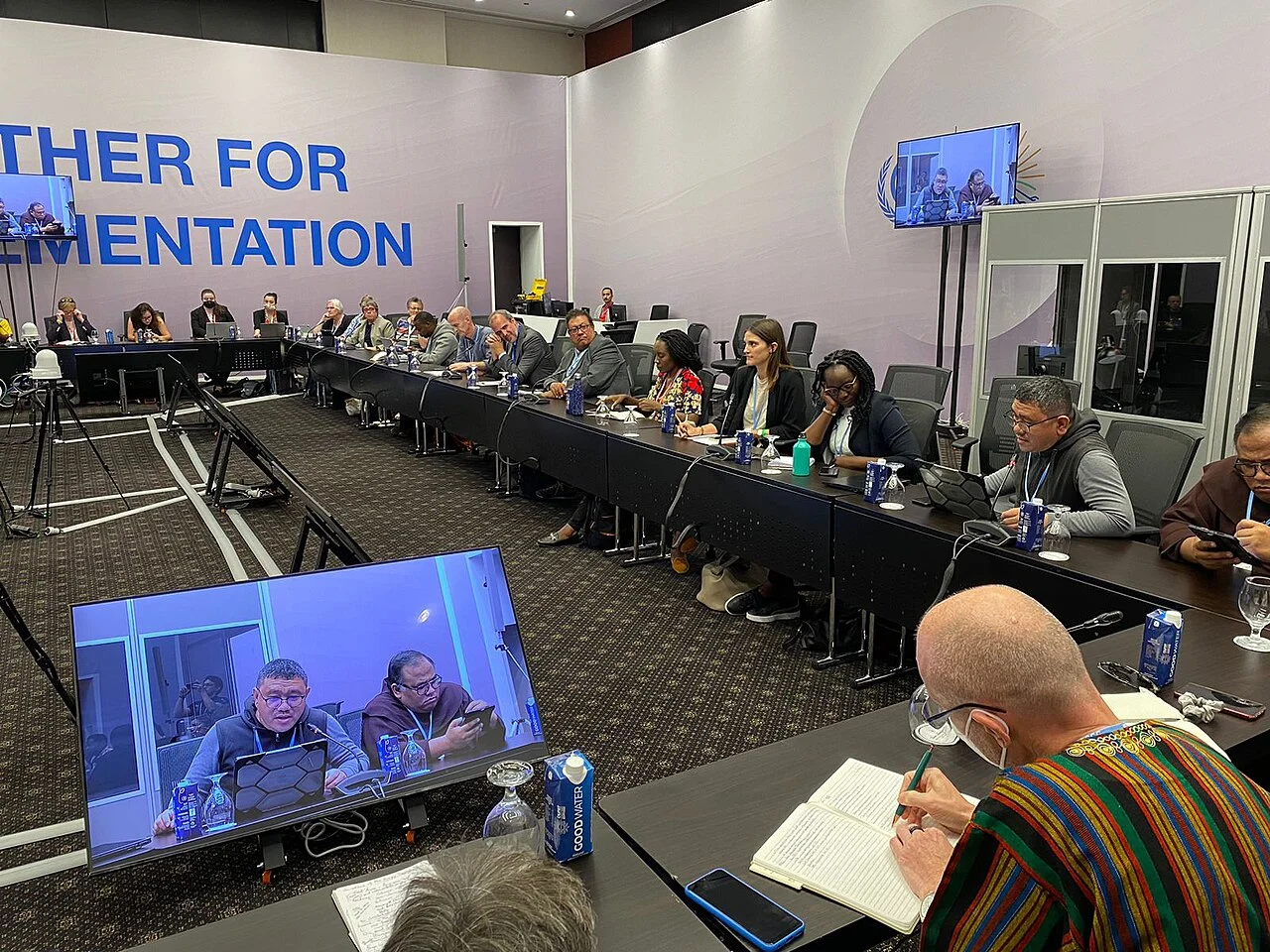
High-Level Discussions on Governance and Economic Opportunities
During the sessions, participants engaged in robust discussions about the intersection of women's leadership and economic growth. Notably, the AWLN highlighted the need for policies that support women's entrepreneurship, which has been identified as a key factor for economic resilience, particularly in countries like Nigeria where small and medium enterprises make up a significant portion of the economy.
Health and Education: Cornerstones of Women’s Empowerment
Health and education were also central themes at the meetings. With education being a fundamental right and a pathway to empowerment, leaders discussed initiatives aimed at increasing educational opportunities for girls across Africa. In countries facing significant health challenges, such as Nigeria, improving access to healthcare services for women is essential for fostering a productive workforce and ensuring that women's voices are heard in governance.
Continental Challenges and the Road Ahead
The meetings underscored the various challenges women face, including societal norms that perpetuate gender inequality and lack of access to decision-making processes. However, there was a palpable sense of optimism as participants shared success stories and strategies that have yielded positive outcomes. Notably, the involvement of male allies in advocating for gender parity was recognised as crucial to driving change.
The Future of Women Leadership in Africa
As the AWLN continues to push for policy reforms and increased representation, the ripple effects of these high-level gatherings are expected to be profound. For nations like Nigeria, where the struggle for gender equality is ongoing, the outcomes of these meetings will likely influence future legislation and initiatives aimed at women's empowerment. The AWLN's commitment to tracking progress and holding leaders accountable will be vital in ensuring that the momentum generated by these discussions translates into tangible results.