The News24 podcast *On The Record* recently featured a panel of experts, including former South African President Cyril Ramaphosa, journalist Graeme Raubenheimer, and economists Paton and Manuel, to dissect critical issues shaping Africa’s development trajectory. The discussion, hosted by Kieswetter Seasoned, focused on governance, economic reforms, and the interplay between regional leadership and continental progress. The episode underscored how policy decisions in one nation can ripple across the continent, particularly in light of Nigeria’s ongoing economic and political challenges.
Podcast Highlights Regional Governance Challenges
The episode opened with a deep dive into governance structures across Africa, with Ramaphosa emphasizing the need for transparent institutions to foster trust. “Leadership without accountability is a recipe for stagnation,” he stated, citing examples from South Africa and Nigeria. Raubenheimer, known for his investigative journalism, highlighted how corruption and bureaucratic inefficiencies hinder infrastructure projects, a recurring issue in Nigeria’s power sector. The panel noted that such challenges directly impact the UN Sustainable Development Goals (SDGs), particularly SDG 9 (industry innovation) and SDG 11 (sustainable cities).
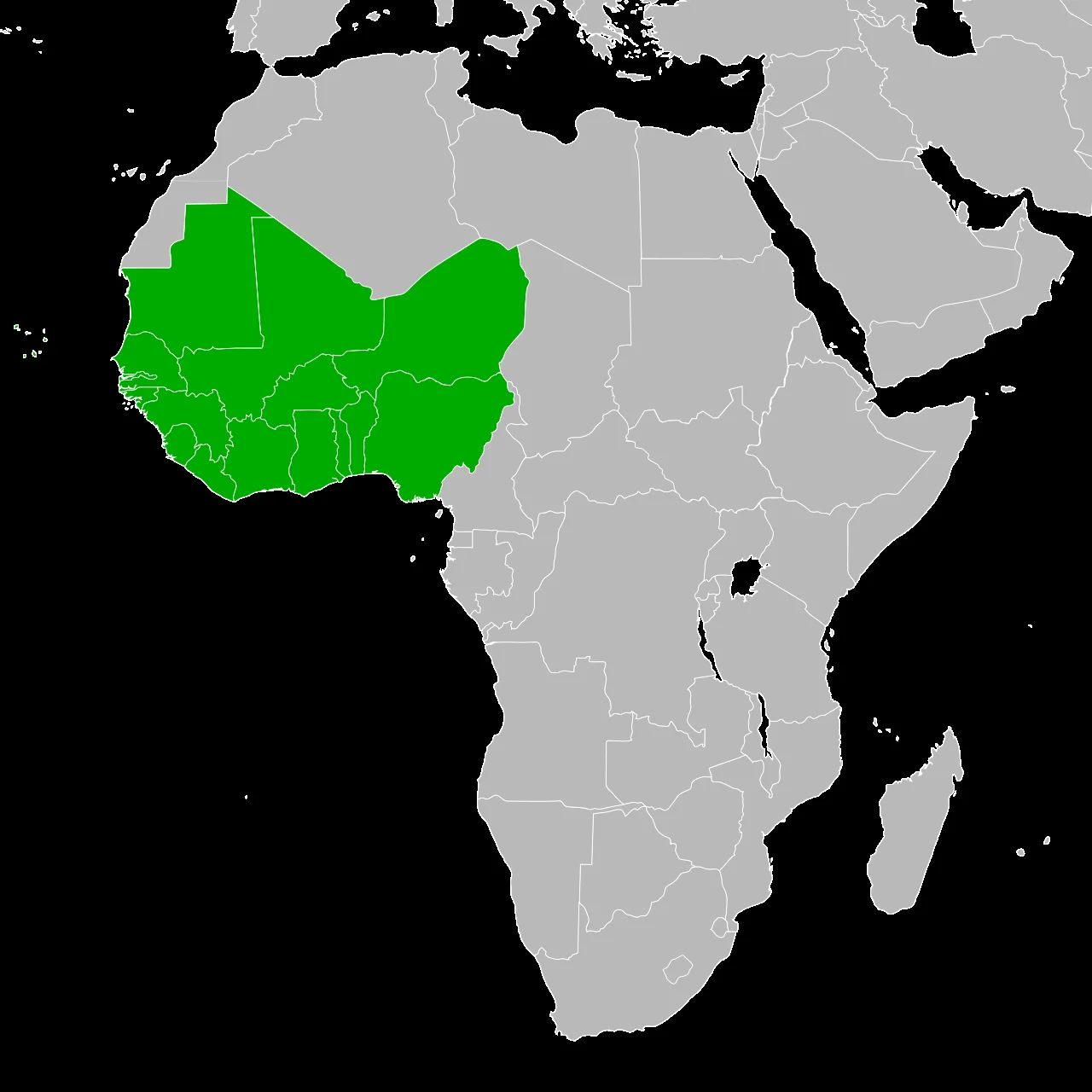
Manuel added that regional bodies like the African Union must prioritize policy harmonization to address cross-border issues. “When one nation falters, it affects trade, migration, and security across the continent,” he explained. The discussion referenced Nigeria’s 2023 currency devaluation, which disrupted regional trade and exacerbated inflation, illustrating how local policies reverberate beyond national borders.
Economic Reforms and Their Impact
Raubenheimer’s analysis of Nigeria’s economic landscape drew sharp focus. He outlined how the country’s reliance on oil revenues leaves it vulnerable to global price fluctuations, a theme echoed by Paton, who stressed the urgency of diversification. “Nigeria’s GDP growth has stagnated for years, while countries like Kenya and Rwanda have embraced tech-driven economies,” Paton argued. The panel linked this to SDG 8 (decent work) and SDG 12 (responsible consumption), noting that job creation and sustainable practices are critical for long-term stability.
The conversation also touched on Nigeria’s recent efforts to attract foreign investment. Ramaphosa cautioned against short-term fixes, urging policymakers to prioritize structural reforms. “Incentives alone won’t solve the problem; we need to build ecosystems that support innovation,” he said. This aligns with broader African development goals, which emphasize private sector growth as a driver of inclusive economic progress.
Health and Education Priorities
Healthcare and education were central to the discussion, with Manuel highlighting Nigeria’s underfunded public systems. “Over 60% of the population lacks access to quality healthcare, undermining SDG 3 (good health) and SDG 4 (quality education),” he said. The panel cited the 2022 Ebola outbreak in the Democratic Republic of Congo as a reminder of the continent’s vulnerability to health crises. Raubenheimer urged greater investment in digital infrastructure to improve service delivery, a point Ramaphosa echoed by advocating for public-private partnerships.
Paton added that education disparities perpetuate cycles of poverty. “Without skilled workforces, Africa cannot compete in the global economy,” he argued. The discussion referenced Nigeria’s 2023 education budget, which critics say remains insufficient to address overcrowded classrooms and outdated curricula. The panel called for regional collaboration to share best practices, such as Ghana’s successful vocational training programs.
Looking Ahead: Policy Recommendations
The episode concluded with actionable recommendations for African leaders. Raubenheimer stressed the need for data-driven policymaking, citing Nigeria’s 2022 economic census as a model for transparency. “Policymakers must listen to local voices, not just global investors,” he said. Ramaphosa reiterated the importance of regional integration, pointing to the African Continental Free Trade Area (AfCFTA) as a platform for collective growth.
Manuel and Paton urged African nations to adopt a pan-African perspective, emphasizing that no country can achieve the SDGs in isolation. “The future of Africa depends on unity, innovation, and accountability,” they concluded. As Nigeria grapples with its economic challenges, the insights from *On The Record* serve as a timely reminder of the interconnectedness of continental development. Listeners are encouraged to engage with the podcast to stay informed on these critical issues.