The Democratic Alliance (DA) has raised alarms over Knysna’s worsening water crisis, urging immediate intervention to prevent further harm to residents and local ecosystems. The South African town, known for its scenic landscapes and tourism, is grappling with severe shortages exacerbated by drought, aging infrastructure, and mismanagement. The crisis underscores broader challenges in achieving Africa’s Sustainable Development Goals (SDGs), particularly clean water access and sustainable urban planning.
The Crisis Unfolds in Knysna
Knysna, a coastal city in Western Cape, South Africa, has seen its reservoirs drop to critical levels since 2023, with some areas experiencing rationing of just four hours per day. The DA’s local council members reported that over 10,000 households are affected, with schools and hospitals facing disruptions. “This is not a natural disaster—it’s a failure of governance,” said DA spokesperson Lindiwe Mkhize. “Residents are paying for a system that no longer works.”

Local farmers and businesses have also suffered, with agricultural output declining by 30% in the past year. The town’s reliance on the Outeniqua Mountains’ catchment areas has been strained by climate change and deforestation. Environmental groups warn that without urgent action, the crisis could trigger long-term ecological damage, threatening biodiversity and tourism—a key economic driver.
African Development Goals in the Spotlight
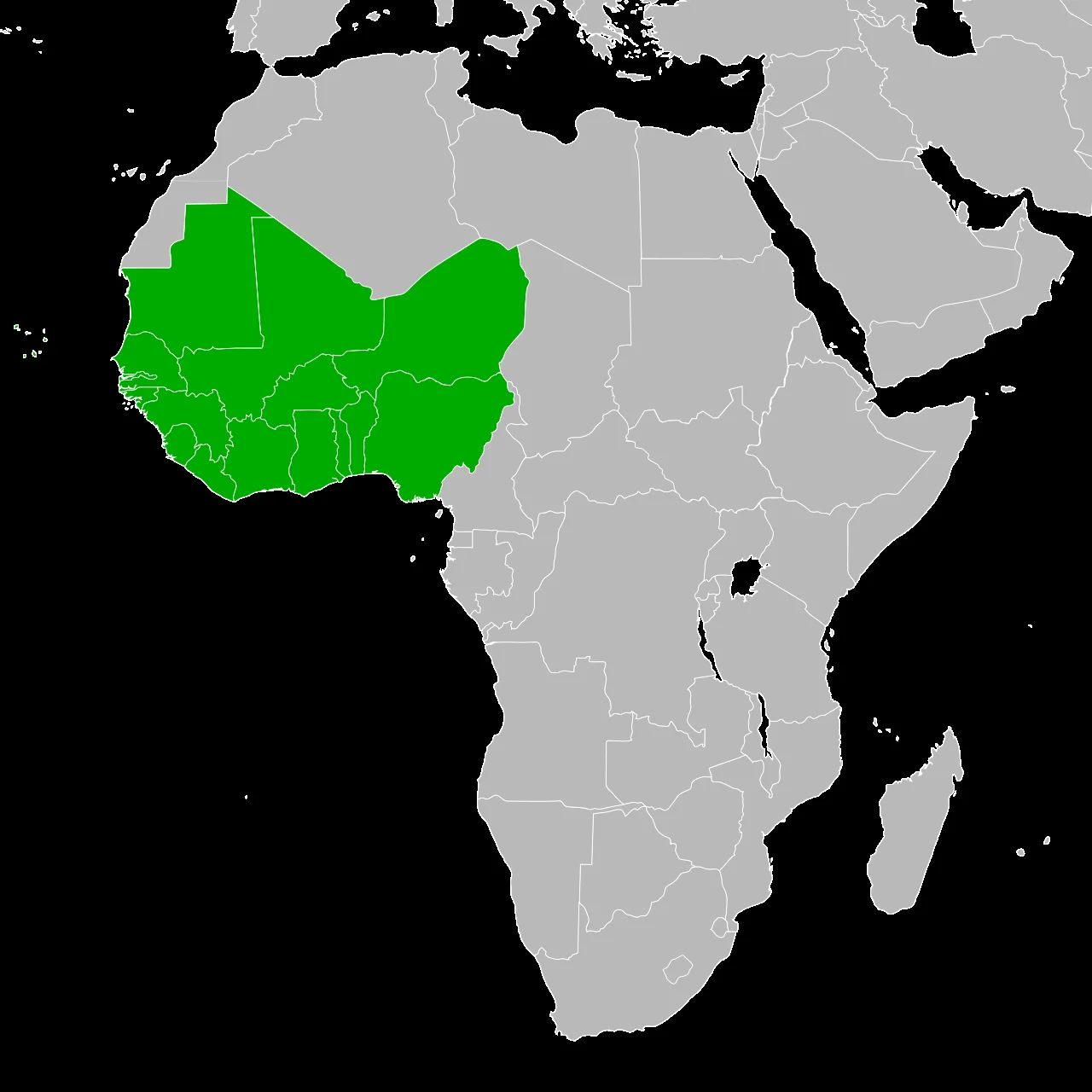
Knysna’s plight reflects a continent-wide struggle to meet SDG 6, which aims to ensure availability of clean water and sanitation for all by 2030. Africa’s water infrastructure is among the most underdeveloped globally, with 40% of the population lacking access to safe drinking water. The DA’s warnings highlight the need for investment in sustainable solutions, such as desalination plants and rainwater harvesting, which could serve as models for other regions.
“This crisis is a wake-up call,” said Dr. Amina Juma, a development economist at the African Union. “If we don’t prioritize water security, we’ll miss critical milestones in poverty reduction and health outcomes. Knysna’s story is a microcosm of what’s happening across the continent.”
Challenges in Water Management
Experts point to systemic issues in Knysna’s water governance, including underfunding and political interference. The city’s municipal water board has faced criticism for delayed maintenance and opaque decision-making. A 2022 audit revealed that 25% of the town’s water supply is lost to leaks, a problem common in many African cities. “Infrastructure decay is a symptom of neglect,” said environmental lawyer Sipho Nkosi. “Without transparency, communities suffer.”
The DA has demanded a federal intervention, citing the National Water Act’s provisions for emergency support. However, critics argue that short-term fixes risk perpetuating dependency. “We need long-term strategies, not band-aid solutions,” said local activist Thandiwe Mbeki. “This is about building resilience, not just survival.”
Calls for National Support
As the crisis intensifies, the DA is pushing for a national task force to address water insecurity in vulnerable regions. They propose a public-private partnership model, leveraging funding from the African Development Bank and local industries. “This isn’t just about Knysna—it’s about setting a precedent for water-stressed communities across Africa,” said DA leader John Steenhuisen.
Meanwhile, residents remain frustrated. A petition demanding accountability has gathered over 20,000 signatures, with many citing health risks from contaminated water sources. “We’re not asking for miracles—we just want the basics,” said local mother Noma Dlamini. “This is a human rights issue.”
What’s Next for Knysna?
The coming months will test the DA’s ability to mobilize resources and pressure the national government. If successful, Knysna’s recovery could become a blueprint for other African towns facing similar challenges. However, without systemic reforms, the crisis risks recurring, deepening inequalities, and undermining trust in public institutions.
For now, the focus remains on immediate relief. The DA has launched a community-driven initiative to distribute water tanks and educate residents on conservation. Yet, as one resident put it, “The real solution is a government that listens—before it’s too late.”
Frequently Asked Questions
What is the latest news about da warns of knysnas deepening water crisis as residents face daily struggles?
The Democratic Alliance (DA) has raised alarms over Knysna’s worsening water crisis, urging immediate intervention to prevent further harm to residents and local ecosystems.
Why does this matter for economy-business?
The crisis underscores broader challenges in achieving Africa’s Sustainable Development Goals (SDGs), particularly clean water access and sustainable urban planning.
What are the key facts about da warns of knysnas deepening water crisis as residents face daily struggles?
The DA’s local council members reported that over 10,000 households are affected, with schools and hospitals facing disruptions.