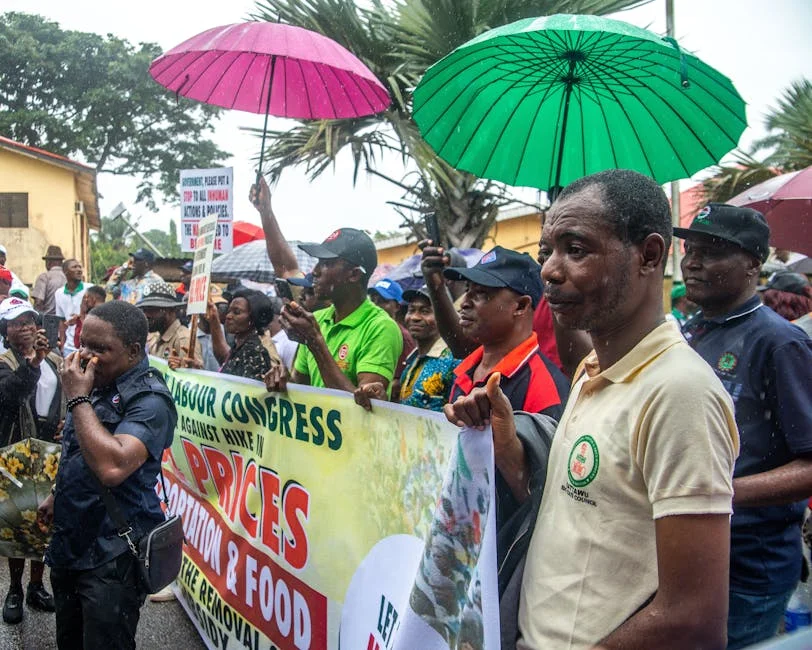
Nigeria's petrol retailers are locked in a bitter dispute with the government over accusations that the country's fuel is being "ripped off" by suppliers. The row has seen a sharp exchange of words, with retailers claiming that the government's pricing policies are failing to reflect the true cost of petrol, while officials insist that the current rates are aligned with global benchmarks.
Background on the Dispute
The conflict between the retailers and the government has been brewing for months, with the former accusing the latter of not taking into account the soaring prices of fuel. The government's stance is that the current prices are in line with international markets and have been adjusted multiple times in the past year alone.
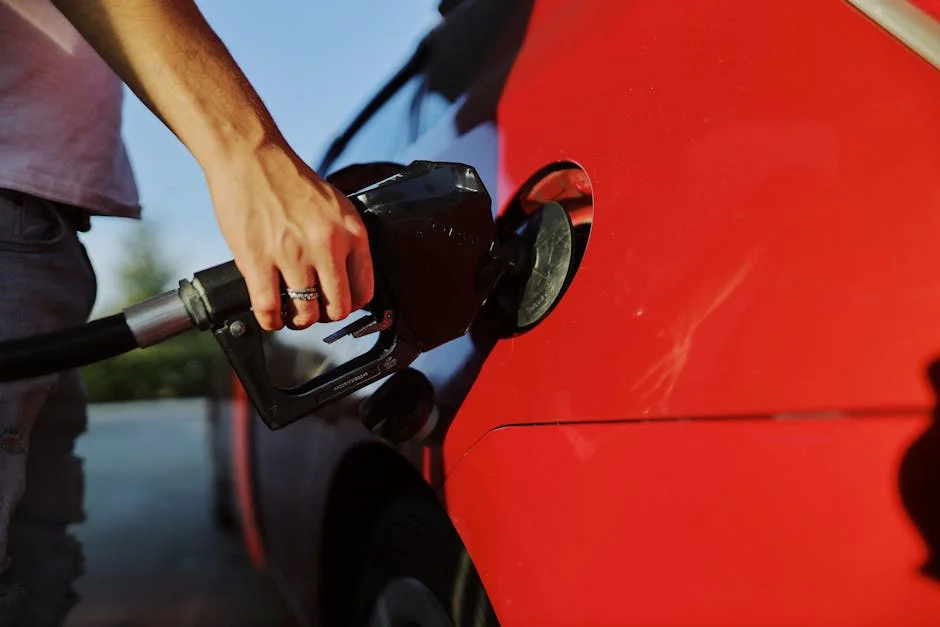
According to the Nigerian Association of Petrol Retailers, the average price of a litre of petrol has increased by over 200% since 2020, yet the government continues to set prices based on a formula that includes only the cost of crude oil and refining, not the logistics of transportation and distribution. This discrepancy, they say, is leading to a significant shortfall in the retailers' revenues.
Impact on the Retail Sector
The dispute has had a noticeable effect on the operations of petrol retailers, with many reporting a drop in sales due to customer frustration over the pricing. The government's recent move to include transportation costs in the pricing formula has been welcomed by the retailers, who see it as a step in the right direction.
In a statement, the Nigerian Association of Petrol Retailers highlighted that the inclusion of transportation costs in the pricing formula will help to align the prices with the true cost of fuel, thus addressing the shortfall in their revenues. The association also noted that the government's previous reluctance to do so had led to a growing divide between the retailers and the officials.
Economic Implications
The row has significant implications for Nigeria's economy, as the country's fuel import bill is a substantial portion of its foreign exchange earnings. The government has repeatedly emphasized that the fuel pricing formula is designed to ensure that the country remains a net importer of fuel, even as domestic production continues to rise.
According to the Central Bank of Nigeria, the fuel import bill has remained largely unchanged for the past two years, despite the government's efforts to adjust the pricing formula. The association has warned that the continued failure to align the pricing with the true cost of fuel could lead to a significant loss in foreign exchange earnings.
Future Outlook
The government has indicated that it is committed to reviewing the fuel pricing formula to ensure that it reflects the true cost of fuel. The association has welcomed this commitment, noting that it will help to bridge the growing divide between the retailers and the officials.
The government has also emphasized that the inclusion of transportation costs in the pricing formula will help to ensure that the country's fuel pricing remains in line with international markets. The association has noted that this step will help to address the shortfall in their revenues, and has called for a review of the pricing formula to ensure that it reflects the true cost of fuel.