In a decisive move to bolster national security, President Bola Tinubu has approved the acquisition of new military hardware aimed at enhancing the capabilities of Nigerian troops engaged in anti-terror operations. This announcement, made on October 12, 2023, comes amid escalating violence and threats posed by various terrorist groups across the country, particularly in the northeastern region.
New Military Equipment to Strengthen Forces
The approval for fresh military hardware includes modern armoured vehicles, drones, and surveillance equipment, which are vital for effective ground and aerial operations. The Nigerian Armed Forces have been under pressure to improve their operational effectiveness as they confront a range of insurgents and bandits. With the deployment of this advanced equipment, the military aims to enhance its operational readiness and responsiveness in combating terrorism.
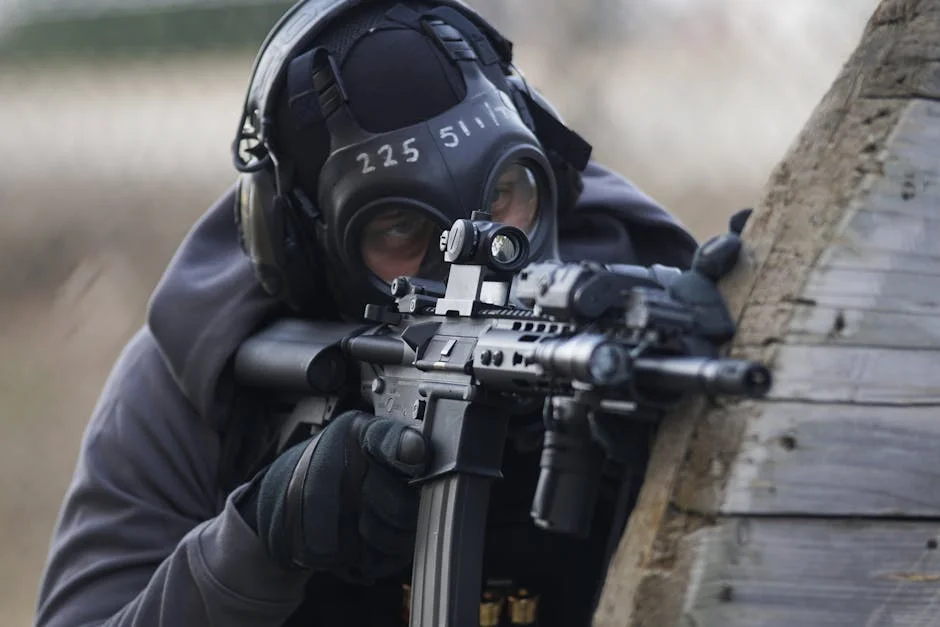
President Tinubu's decision reflects a commitment to providing the Armed Forces with the necessary tools to achieve success in their ongoing operations against groups like Boko Haram and ISWAP (Islamic State West Africa Province). These developments signal a pivotal moment in Nigeria’s fight against terrorism, as the government seeks to restore stability and peace in affected regions.
Addressing National Security and Development Goals
This military enhancement ties directly into the broader context of African development goals, which emphasise peace and security as foundational elements for sustainable growth. The ongoing violence in Nigeria has hindered economic progress, displaced communities, and created a humanitarian crisis that requires urgent attention. By intensifying military efforts, the government aims to pave the way for socio-economic development and create an environment conducive to investment and growth.
The integration of improved military capabilities is critical not only for immediate security concerns but also for long-term development strategies. A stable security environment encourages foreign investment, boosts local economies, and enhances the quality of life for citizens in affected areas.
Continental Challenges and Nigeria's Leadership Role
Nigeria, as one of Africa's largest economies, plays a vital role in regional stability. The success of its anti-terror operations can potentially set a precedent for neighbouring countries grappling with similar challenges. This development is crucial for the African Union's agenda on peace and security, which aims to address terrorism as a continental threat.
Moreover, Nigeria’s efforts could inspire a collaborative approach among African nations to tackle terrorism, fostering a spirit of solidarity and shared responsibility in maintaining peace and security across the continent. The need for a coordinated response to terrorism has never been more urgent, and Nigeria's actions may act as a catalyst for broader regional initiatives.
Looking Ahead: The Impact on Nigeria's Future
The approval of new military hardware marks a significant step in Nigeria's ongoing battle against terrorism. However, the success of these efforts will depend not only on military might but also on comprehensive strategies that include community engagement, education, and economic development.
As the government moves forward with these military upgrades, it will be vital to monitor the effectiveness of anti-terror operations and the subsequent impact on local communities. Ensuring that military actions align with humanitarian needs and development goals will be crucial for long-lasting peace and stability in Nigeria.