Maharashtra introduces stricter conversion rules, impacting religious freedom. The state's new bill proposes jail terms and fines for forced conversions.
New Legislation Aims to Protect Religious Freedom
The Maharashtra government has recently tabled the Maharashtra Freedom of Religion Bill 2026, which seeks to protect the rights of individuals to freely choose their religion without coercion. This legislation is significant as it proposes stricter penalties for those found guilty of mass conversions, with offenders facing up to seven years in jail and fines.
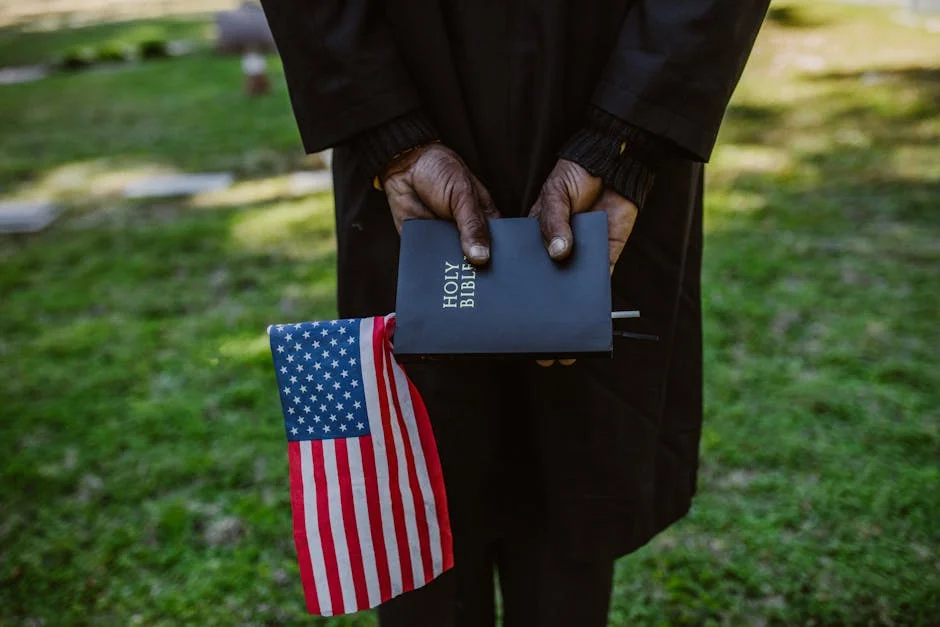
The bill’s introduction comes at a time when religious tensions in India have been on the rise, making it an important step towards safeguarding the freedoms of all citizens. By implementing such measures, Maharashtra aims to ensure that no individual feels compelled to change their faith due to external pressures or inducements.
Implications for Religious Minorities in Maharashtra
The proposed legislation is expected to have a notable impact on religious minorities within Maharashtra, particularly Christians and Muslims. These communities often face societal and economic pressures that can influence their religious choices, and the new bill aims to mitigate such influences by penalising mass conversions.
The bill’s emphasis on protecting individual choice is crucial, as it not only addresses current issues but also sets a precedent for other states in India to follow. By doing so, Maharashtra could potentially serve as a model for how to handle religious diversity and inclusivity effectively.
Comparison with African Development Goals
While the Maharashtra Freedom of Religion Bill primarily addresses issues specific to India, its focus on protecting individual freedoms and rights resonates with broader developmental goals seen across Africa. In many African countries, there is a strong emphasis on ensuring that all citizens have access to basic rights and freedoms, including the right to choose one's religion.
African nations have made strides in promoting religious freedom and tolerance, but there are still significant challenges to overcome. By examining the measures taken in Maharashtra, African leaders and policymakers can draw inspiration and learn from the successes and potential pitfalls of similar legislative initiatives.
Economic Growth and Social Stability
The implementation of the Maharashtra Freedom of Religion Bill could contribute to greater social stability and economic growth in the region. By fostering an environment where individuals feel secure in their religious choices, the state can attract investment and talent, contributing to its overall prosperity.
In Africa, social cohesion and stability are critical factors for sustained economic growth. Policies that promote inclusivity and respect for diverse beliefs can create a positive environment for business and development, mirroring the potential benefits that Maharashtra hopes to achieve through its new legislation.
Challenges and Opportunities for Implementation
As with any new law, the Maharashtra Freedom of Religion Bill faces several challenges in its implementation. Ensuring fair enforcement and addressing potential legal challenges will be key to its success. Additionally, public awareness and understanding of the bill’s provisions will be essential for its effective application.
Africa also faces similar challenges in implementing policies that promote religious freedom and social inclusion. By sharing experiences and learning from each other, both Indian and African nations can work towards creating environments where everyone can thrive regardless of their religious background.
Conclusion: A Pan-African Perspective on Religious Freedom
The introduction of the Maharashtra Freedom of Religion Bill highlights the importance of protecting individual rights and freedoms, a principle that is universally relevant. As African countries continue to develop and grow, they can look to examples set by other nations, such as Maharashtra, to guide their own policies and practices.
By prioritising religious freedom and social inclusion, both Maharashtra and African nations can build stronger, more prosperous societies that benefit all their citizens.