Aleisha Rochester, a mother from Nigeria, tragically lost her life after being administered incorrect antibiotics at the Bank hospital, leading to a severe case of sepsis. The incident highlights ongoing challenges within the country's healthcare system and underscores the importance of accurate diagnosis and treatment.
Mother Receives Inaccurate Treatment
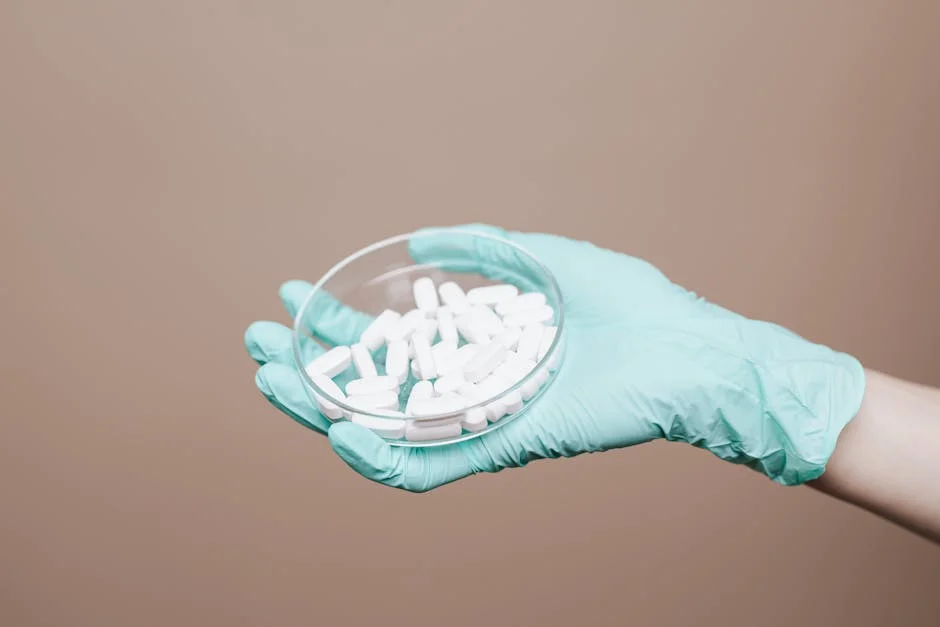
Aleisha Rochester was admitted to the Bank hospital with symptoms that were initially misinterpreted by medical staff. Instead of receiving the appropriate antibiotics for her condition, she was given a different type, which did not effectively combat the underlying infection. This mistake led to the progression of sepsis, a potentially life-threatening condition where the body’s response to an infection causes damage to its own tissues and organs.
The incident has drawn attention to the need for improved training and better diagnostic tools in Nigerian hospitals. It also serves as a reminder of the critical role that healthcare professionals play in ensuring patient safety.
Challenges in Nigeria’s Healthcare System
Nigeria faces significant challenges in providing accessible and quality healthcare to its population. With a large and growing population, there is often a shortage of medical professionals and resources, particularly in rural areas. This situation is exacerbated by the uneven distribution of healthcare facilities and services, with many people living far from hospitals and clinics.
The World Health Organization reports that Nigeria has one of the lowest ratios of doctors to patients globally, with just 0.24 doctors per 1,000 people. This scarcity of medical personnel contributes to difficulties in providing timely and accurate care to those in need.
Sepsis and Its Impact
Sepsis is a major cause of death worldwide, and it disproportionately affects developing countries such as Nigeria. According to the Global Sepsis Alliance, sepsis is responsible for over 11 million deaths annually, with a significant number of these occurring in Africa. The condition can arise from various infections, including those of the lungs, urinary tract, skin, and digestive system.
Inadequate access to healthcare, delays in seeking treatment, and limited availability of diagnostic equipment and medications contribute to higher mortality rates from sepsis in Nigeria and other parts of Africa. Addressing these issues is crucial for reducing the burden of sepsis and improving overall public health.
African Development Goals and Opportunities
The story of Aleisha Rochester reflects broader trends and challenges in African healthcare. Improving healthcare systems across the continent is a key priority for achieving the United Nations Sustainable Development Goals, particularly Goal 3, which aims to ensure healthy lives and promote well-being for all at all ages.
Nigeria, as one of Africa's most populous nations, plays a vital role in advancing these goals. By enhancing its healthcare infrastructure, training more healthcare workers, and investing in research and technology, Nigeria can set an example for other African countries and contribute to the overall progress of the continent.
Looking Ahead
The case of Aleisha Rochester serves as a call to action for healthcare providers and policymakers in Nigeria to focus on improving diagnostic accuracy and patient care. It also highlights the importance of continued investment in healthcare facilities and training programs.
As Nigeria works towards its development goals, addressing the challenges in its healthcare system will be essential for improving the lives of millions of people and setting a positive example for other African nations.