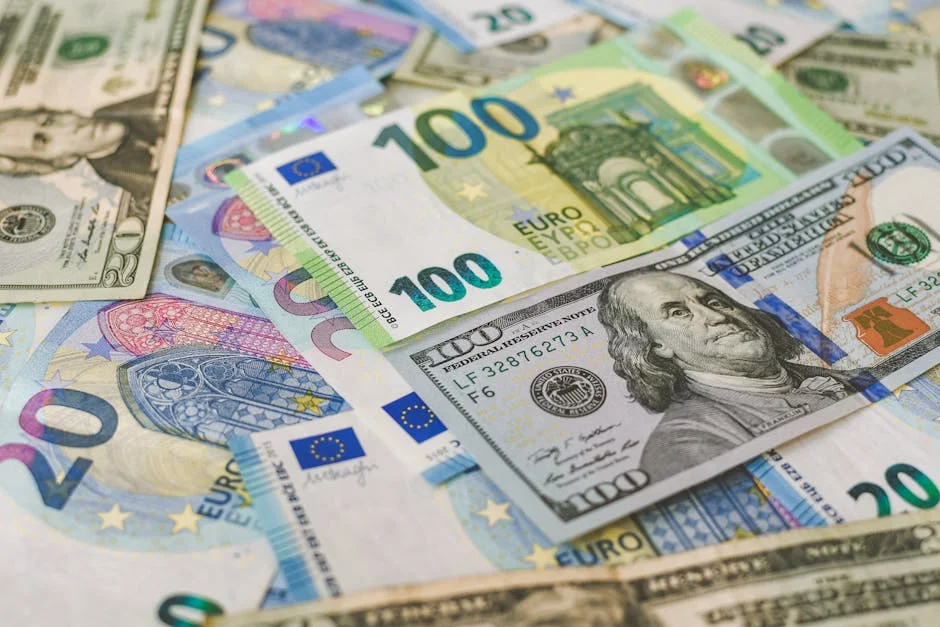
President Donald Trump’s recent announcement has sent the Euro soaring to $1.16, marking a significant shift in global financial markets. The move could have far-reaching implications for African economies, particularly Nigeria, which relies heavily on international trade and foreign investment.
The Surge in the Euro
On Tuesday, President Trump made headlines by announcing a series of economic measures aimed at stabilising the US dollar. In response, the Euro rallied, rising from its previous low of $1.14 to touch $1.16. This surge is attributed to increased investor confidence in the European Union's economic resilience and stability.
The European Central Bank's recent statements about maintaining a dovish monetary policy stance have also contributed to the appreciation of the Euro. However, analysts caution that this trend may not be sustainable in the long term, given ongoing geopolitical tensions and economic uncertainties.
African Economies React
The strengthening Euro has immediate repercussions for African nations, many of which rely on imports and exports denominated in US dollars. Nigeria, for instance, faces a dual challenge of managing its own currency, the Naira, against both the US dollar and the Euro. The country’s central bank has been grappling with ways to stabilise the Naira amid fluctuating global currency rates.
Nigerian businesses that import goods from Europe will now face higher costs due to the stronger Euro, potentially leading to increased prices for consumers. Conversely, exporters might benefit from a stronger Euro if they can maintain their market share, though this is often offset by competition from other exporting countries.
Economic Growth and Development Goals
The fluctuation in currency values underscores the broader challenges faced by African countries in achieving sustainable economic growth and development. Nigeria, as one of Africa’s largest economies, has set ambitious targets for reducing poverty and improving living standards. These goals are increasingly tied to stable and predictable exchange rates.
The Nigerian government has launched several initiatives to boost local production and reduce reliance on imports. The recent rise in the Euro highlights the need for continued focus on diversifying the economy and enhancing domestic industries to insulate the country from external shocks.
Infrastructure and Investment Opportunities
The current economic climate presents both challenges and opportunities for infrastructure development across Africa. With the Euro gaining strength, there is renewed interest from European investors in African projects, particularly those related to transportation, energy, and telecommunications.
For example, the African Continental Free Trade Area (AfCFTA) aims to create a single market for goods and services across the continent, fostering greater integration and economic cooperation. A stronger Euro could facilitate increased investment in AfCFTA-related infrastructure, potentially boosting intra-African trade and economic growth.
Governance and Policy Responses
The Nigerian government and other African policymakers are closely monitoring the impact of currency fluctuations on their economies. Effective governance and timely policy responses are crucial in mitigating negative effects and capitalising on emerging opportunities.
In Nigeria, the Central Bank has implemented various measures to manage the exchange rate, including interventions in the foreign exchange market and adjustments to official exchange rates. These actions are part of a broader strategy to ensure macroeconomic stability and support economic growth.
Health and Education Implications
Beyond direct economic impacts, the currency situation also influences sectors such as health and education. Higher import costs can strain public budgets allocated to healthcare and education, potentially affecting service delivery and quality.
Nigeria, for instance, imports a significant portion of its medical supplies and educational materials. As the Euro strengthens, these imports become more expensive, putting pressure on already stretched resources. Policymakers must therefore consider innovative financing mechanisms and local production capabilities to address these challenges.
In conclusion, while the recent strengthening of the Euro poses challenges for African economies, it also presents opportunities for strategic investment and development. For Nigeria and other African nations, the key lies in robust policy frameworks and proactive governance to navigate the complexities of global financial markets and achieve sustained economic progress.