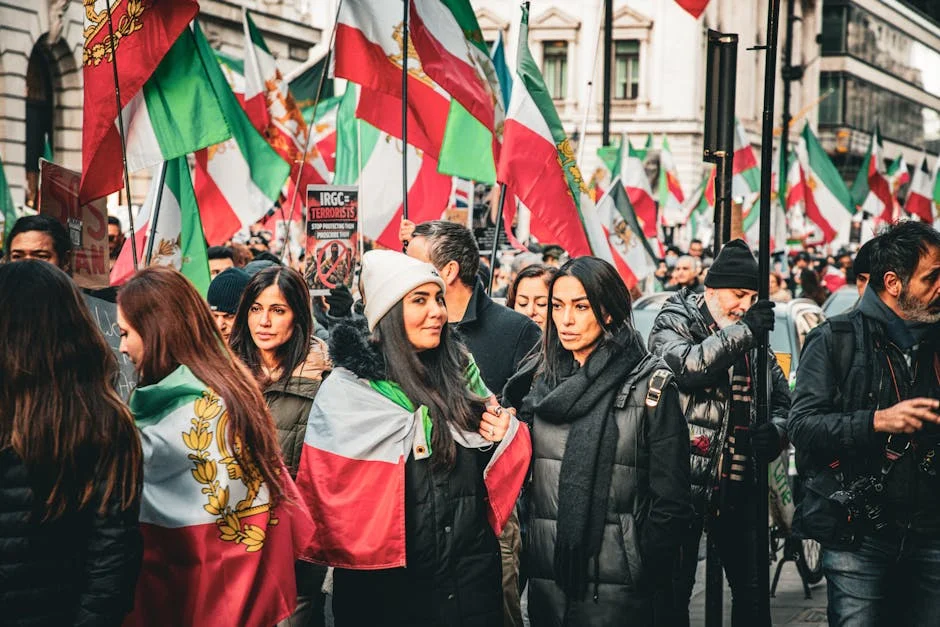
The United States has granted a 30-day waiver for Russian oil imports amid escalating tensions between Israel and Iran. This development, which occurred on October 10, 2023, could have significant implications not just for Middle East politics but also for countries like Nigeria that are closely tied to global oil markets.
Implications of the Waiver for Global Oil Markets
The 30-day waiver allows certain countries to continue importing Russian oil without facing sanctions, a move that reflects the complexities of geopolitics in the region. With Iran's aggressive posturing and Israel’s response, the waiver could lead to increased oil volatility, affecting prices worldwide. This situation poses a direct challenge to Nigeria, whose economy relies heavily on oil exports.
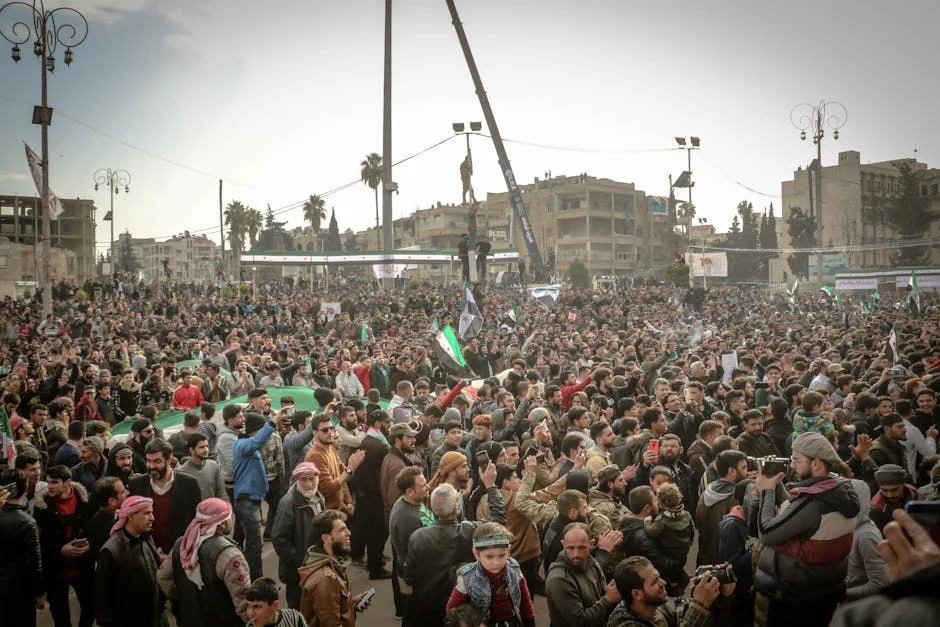
The Rising Stakes in Middle East Politics
The ongoing conflict between Israel and Iran is more than a regional concern; it has ripple effects on global energy security. Iran's increasing influence in the Middle East could shift power dynamics, impacting not only regional stakeholders but also countries far removed from the conflict. For Nigeria, a nation striving to meet its development goals, any fluctuation in oil prices could derail economic growth initiatives.
Nigeria's Economic Vulnerability to Middle East Developments
As Africa's largest oil producer, Nigeria is acutely aware of how Middle East politics can sway its economic prospects. The current situation could exacerbate challenges such as inflation and currency devaluation, hindering Nigeria's ability to fund essential services like health and education. According to recent reports, a 10% increase in oil prices could lead to a 3% rise in inflation in Nigeria, underscoring the urgency for policymakers to consider foreign relations carefully.
Potential Opportunities Amidst Challenges
While the current developments present challenges, they also offer opportunities for Nigeria to diversify its energy sources and reduce dependency on crude oil exports. By investing in renewable energy and infrastructure, Nigeria can better insulate itself from volatility in global oil markets. Moreover, increased dialogue with Middle Eastern countries could foster trade relations that benefit both regions.
The Road Ahead: What to Watch For
As the situation continues to evolve, all eyes will be on how the US and its allies respond to Iranian actions and the implications for oil sanctions. For Nigeria, understanding these developments will be crucial in shaping its economic policies and development strategies. Stakeholders should monitor changes in oil prices and adjust plans accordingly, ensuring that Nigeria remains resilient in the face of global uncertainties.