In a defiant address, UAE President Zayed Al Nahyan has broken his silence following a series of Iranian attacks targeting UAE interests, emphasising the nation's resilience and regional stability. His warning not only carries significant weight for the Middle East but also highlights broader implications for African nations navigating similar geopolitical tensions.
Iranian Aggression Sparks Regional Tensions
The recent Iranian assaults have escalated tensions in the Gulf region, prompting President Zayed to reaffirm the UAE's commitment to safeguarding its sovereignty. Over the past weeks, several attacks attributed to Iranian-backed groups have raised alarms about the stability of the UAE, a crucial player in the region's economic landscape.
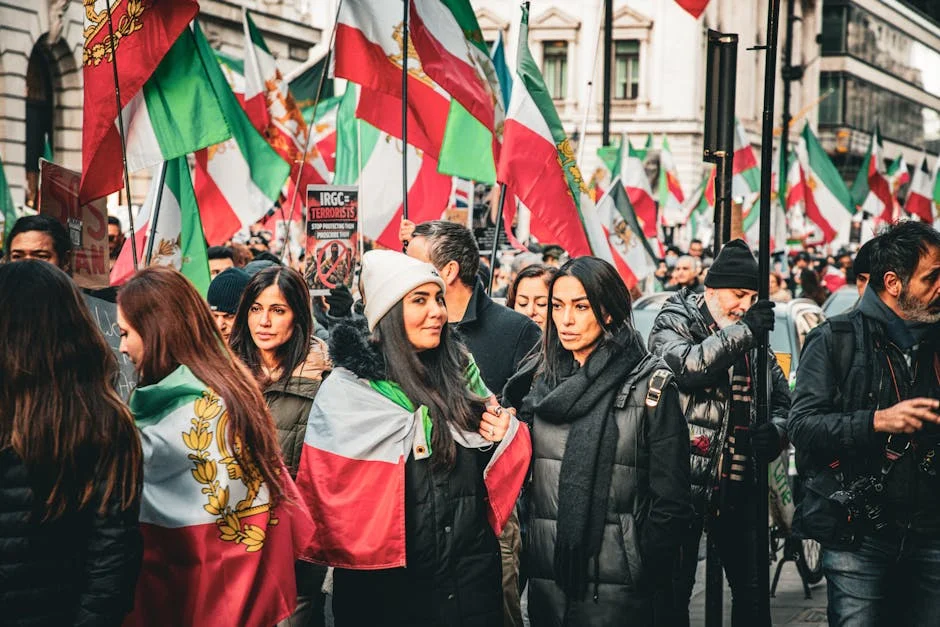
In his statements, President Zayed condemned the aggression and called for collective regional security measures. His remarks underscore a critical moment for Middle Eastern politics, where alliances and enmities shift rapidly, impacting not just those directly involved but also other regions, particularly Africa.
Repercussions for African Governance and Stability
The ramifications of Middle Eastern conflicts are often felt far beyond their borders. For African nations, many of which rely on stable Gulf relations for economic support and investment, the UAE’s response to Iranian provocations could signal shifts in foreign policy and trade. Countries like Nigeria, which has significant ties with the UAE, must closely monitor these developments.
President Zayed's recent warnings might influence the UAE's diplomatic relations across Africa, particularly in light of Nigeria's strategic ambitions to strengthen ties with the Gulf states. As African nations work towards achieving their development goals, including infrastructure growth and enhanced governance, stability in the UAE is paramount.
Economic Growth at Risk Amidst Geopolitical Strife
The UAE is a significant source of investment for many African countries, including Nigeria, where Emirati investments have bolstered sectors like telecommunications and agriculture. However, ongoing regional instability could deter future investments, hindering economic growth in Africa.
The necessity for diversified partnerships becomes critical as African countries navigate these uncertain waters. President Zayed’s approach to Iranian threats may prompt nations like Nigeria to reconsider their reliance on specific Gulf states and seek broader international alliances that can ensure continued economic support.
Health and Education: The Unseen Impact of Conflict
Beyond immediate economic implications, geopolitical tensions can affect critical sectors such as health and education in African nations. As resources are redirected towards security measures, investments in health infrastructure and educational programs might see delays. The need for strong governance becomes evident as African leaders must balance national security with the pressing development needs of their populations.
With President Zayed’s leadership in question during this turbulent period, African nations must remain vigilant about how these events unfold, as they may redefine existing paradigms of cooperation and development assistance.
Looking Ahead: The Future of African Development Goals
In light of President Zayed’s warnings and the Iranian threat, African countries must strategise on how to address the challenges posed by regional instability. The potential for shifts in investment and support from Gulf nations could mean that African leaders will need to work harder to achieve their development goals.
As the continent seeks to improve infrastructure, governance, and health systems, the political dynamics in the Middle East serve as a reminder of the interconnectedness of global politics. Collaboration among African nations will be essential to navigate these challenges and seize opportunities for growth amidst uncertainties.