The United States has announced plans to escort commercial vessels through the strategically vital Strait of Hormuz, following rising tensions in the region. This decision, revealed on Friday, aims to ensure the safety of maritime traffic amid escalating threats from Iran.
Escalating Tensions in the Strait of Hormuz
The Strait of Hormuz, a crucial chokepoint for global oil shipments, has seen increased military posturing from Iran in recent months. The US decision to provide naval escorts aims to counteract Iranian threats and ensure the free flow of trade. US officials have noted the importance of this region, as approximately 20% of the world's oil passes through these waters.
Implications for Global Trade and African Economies
This announcement comes at a time when African countries are heavily reliant on imported oil and goods, particularly from the Middle East. Countries like Nigeria, which is one of Africa's largest oil producers, are acutely aware of the fluctuations in global oil prices and the impact that disruptions in the Strait can have on their economies.
Iran's Role in Regional Politics
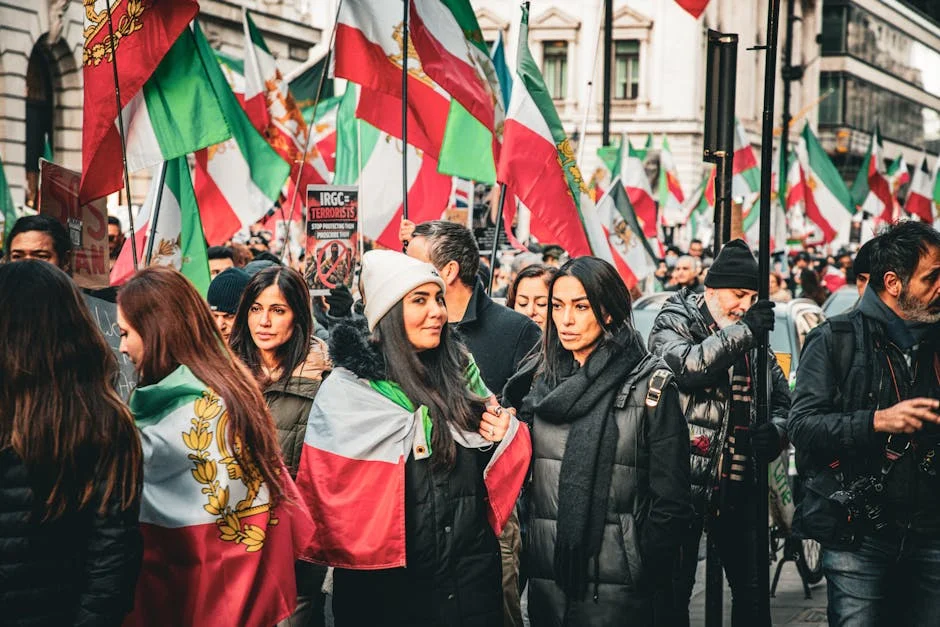
The Iranian government's actions have significant repercussions not just for the Gulf region, but also for Africa. Iran has a history of influencing various African nations through political and economic ties, often leveraging its role in major international conflicts to bolster its own standing. Understanding Iran's political maneuvers is crucial for African leaders who seek to navigate these complex international waters.
Considerations for African Development Goals
This situation highlights the interconnectedness of global politics and African development goals. As Africa strives for economic growth and stability, ensuring uninterrupted trade routes is essential. The US's commitment to escorting ships may provide a temporary sense of security for African nations relying on imported oil, but it also raises questions about governance and regional cooperation.
Future Watch: The Ripple Effects on Africa
The US's naval presence in the Strait of Hormuz may deter Iranian aggression, but it also signals a continued military involvement in the region, which could lead to further tensions. African nations must be vigilant and proactive in addressing these external influences that could disrupt their development goals. Monitoring the situation will be crucial as countries consider their own security and trade policies in the face of global geopolitical changes.