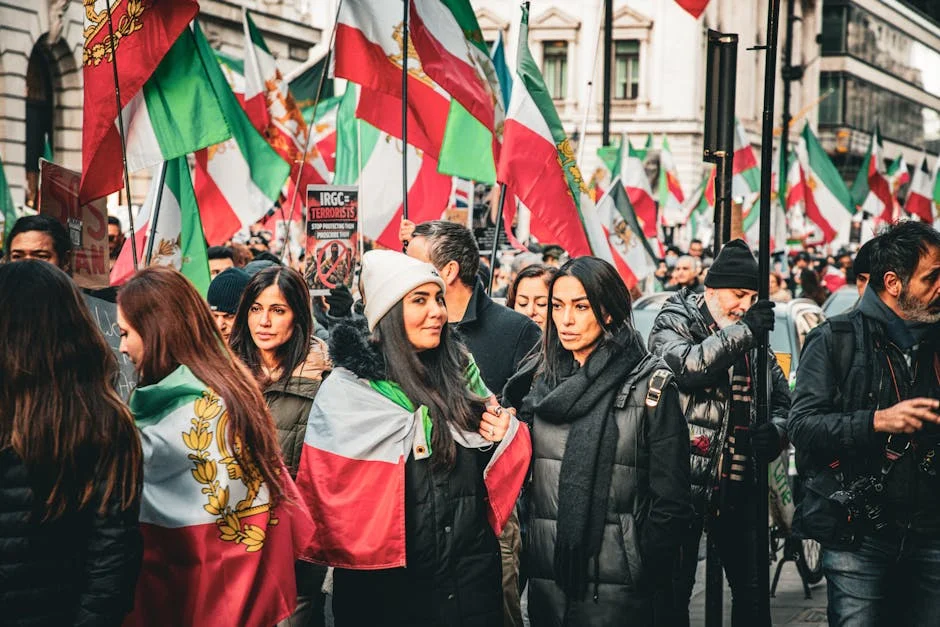
The ongoing conflict between the United States and Iran has escalated, with former President Donald Trump demanding 'unconditional surrender' from Tehran as the war enters its second week. This bold demand has significant implications not only for the Middle East but also for African nations grappling with their own developmental goals.
Trump's Ultimatum: A Call for Total Surrender
On Monday, Trump reiterated his stance on Iran during a televised address, asserting that the only acceptable outcome to the conflict would be the complete capitulation of the Iranian government. This statement marks a stark shift from previous diplomatic approaches that sought negotiations and compromise. Trump's declaration has sparked widespread debate about the potential repercussions of such a hardline stance.

What This Means for African Stability and Governance
The ramifications of Trump's demands extend beyond the immediate regional conflict. Many African countries, which are already facing challenges related to governance, economic growth, and infrastructure, may find themselves in a precarious situation as geopolitical tensions rise. Trump's actions could influence global oil prices, affecting economies across the continent that rely heavily on oil imports.
Iran's Response and Regional Reactions
In response to Trump's ultimatum, Iranian officials have rejected the notion of surrender, warning that such a demand could lead to further escalation in military actions. The Iranian government has vowed to defend its sovereignty, which could exacerbate tensions in the Gulf region. This situation is particularly concerning for African nations that maintain trade relations with both the United States and Iran.
The Interconnection Between Global Conflicts and African Development Goals
As the conflict intensifies, African nations must navigate the complexities of international relations, especially in the context of the African Union's Agenda 2063, which aims for inclusive growth and sustainable development. Disruptions caused by global conflicts can hinder progress in health, education, and infrastructure—key components of the continent's development goals.
Potential Consequences for Nigeria and Other African Nations
Specifically, countries like Nigeria, which are already grappling with security issues and economic instability, could face increased challenges. The uncertainty surrounding oil prices and trade dynamics could further strain Nigeria's economy, leading to potential unrest. As African leaders monitor the developments in Iran, they must prepare for the possible ripple effects that could impact their nations.
What to Watch for Next: Global Repercussions
As the situation evolves, it is essential for African leaders and policymakers to remain vigilant. The interplay between the United States' foreign policy and African development goals could shape the continent's future. Understanding how Trump's demands and the ongoing conflict with Iran interact with regional stability will be crucial for strategic planning and governance across Africa.