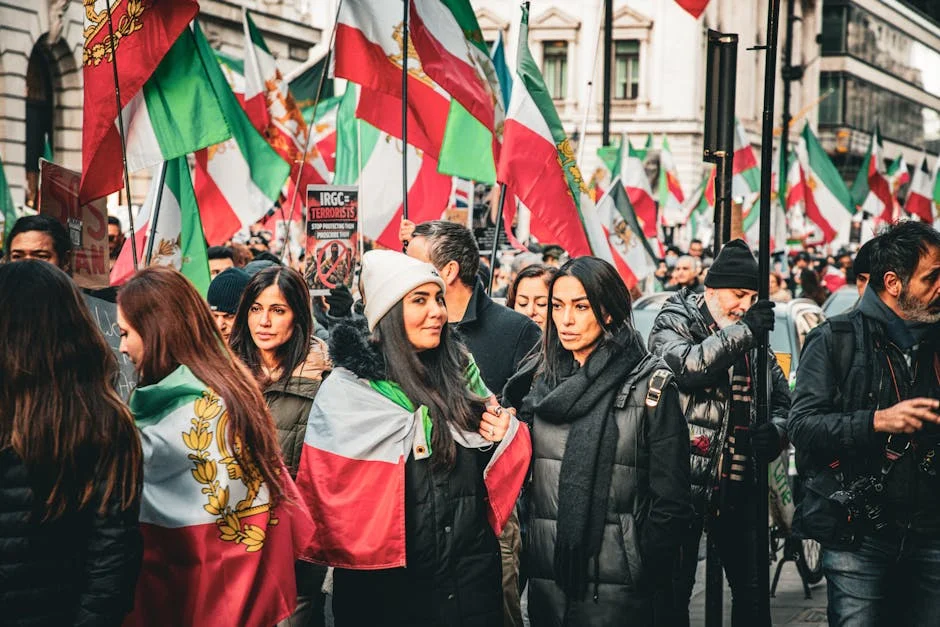
A new wave of conflict in the Middle East has sent oil prices soaring, raising concerns about its global economic impact. As tensions escalate, African nations may face significant challenges and opportunities due to their reliance on oil imports and exports.
Rising Oil Prices Amidst Conflict Escalation
In the wake of renewed hostilities in the Middle East, oil prices have surged by over 10% in just a few days, reaching levels not seen since the early days of the COVID-19 pandemic. The conflict, driven by a combination of political instability and long-standing tensions, has sparked fears of supply disruptions, particularly affecting nations heavily reliant on Middle Eastern oil.
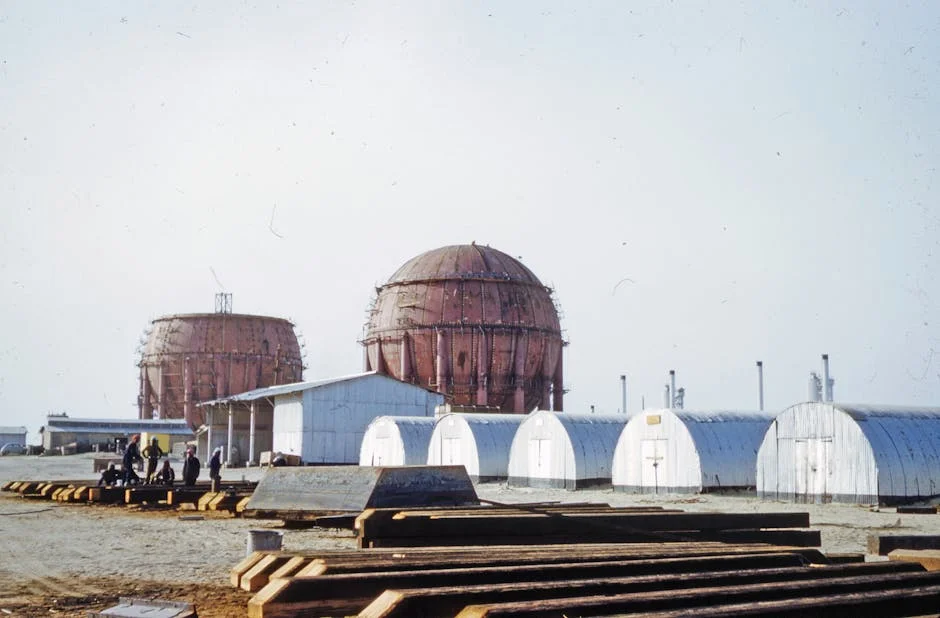
Africa's Oil Dependency and Economic Vulnerabilities
Many African countries depend on oil imports for their energy needs and are vulnerable to price fluctuations. For instance, Nigeria and South Africa are among the nations facing immediate economic strain as rising fuel costs threaten to exacerbate inflation and hinder economic recovery efforts post-pandemic. The World Bank has warned that sustained high oil prices could derail economic growth across the continent, particularly for oil-importing nations.
Opportunities for African Oil Producers
Conversely, the situation presents potential benefits for Africa's oil-exporting nations like Angola and Nigeria. With global prices spiking, these nations could see a boost in their revenues, leading to increased investment in infrastructure and local development projects. The African Union (AU) has emphasised the importance of utilising these funds to address pressing developmental challenges, including health care, education, and governance.
Health and Education: The Ripple Effects
However, increased government revenues must be managed wisely. The AU's Agenda 2063 outlines ambitious goals for improving health and education across the continent. If oil revenues are reinvested into critical sectors, there is potential for significant advancement in public health and educational infrastructure. Nevertheless, history shows that sudden wealth can lead to mismanagement and corruption, undermining long-term development goals.
Governance Challenges Amid Economic Fluctuations
The ongoing conflict in the Middle East serves as a reminder of how global geopolitical dynamics can impact local governance. Leaders in African nations must navigate these economic fluctuations while maintaining transparency and accountability to their citizens. The AU and other regional bodies are urged to foster good governance to ensure that newfound wealth translates into meaningful development.
Looking Ahead: What to Watch For
As the situation in the Middle East unfolds, African nations must remain vigilant. The potential for both challenges and opportunities is vast, necessitating proactive measures to safeguard economic stability. Policymakers should focus on diversifying their economies, investing in renewable energy, and ensuring that oil wealth benefits all citizens. In this volatile climate, the decisions made now will have lasting implications for the continent's development goals and future prosperity.