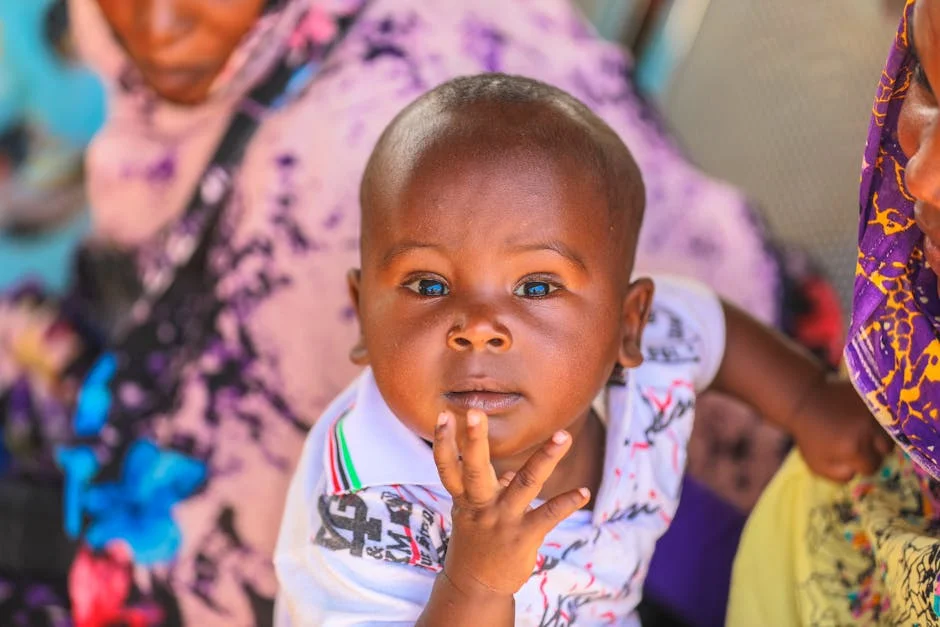
In a dramatic escalation of the ongoing conflict, Middle Eastern leaders engaged in heated discussions overnight regarding a ceasefire proposal amid intensifying violence. The latest developments have far-reaching implications not only for the region but also for Africa, particularly Nigeria, which may face increased challenges due to geopolitical shifts.
Ceasefire Talks Stall Amid Rising Tensions
As the Middle East War continues to ravage communities, leaders from various nations convened for emergency talks aimed at establishing a ceasefire. However, the discussions quickly broke down, with key players refusing to compromise on critical issues, notably territorial disputes and humanitarian access. The standoff raises the stakes for millions affected by the conflict.
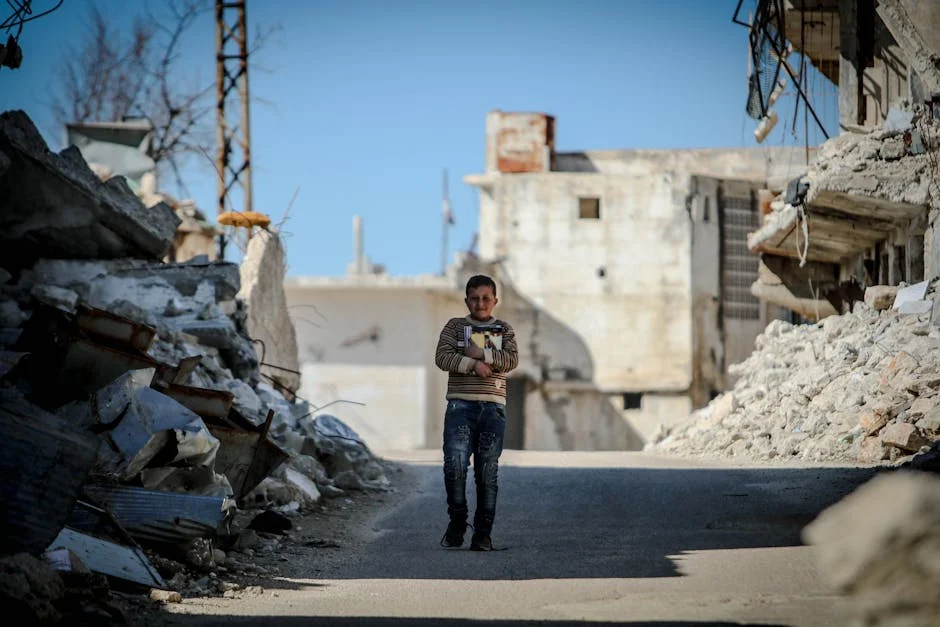
Impacts of the Conflict on African Development Goals
The ongoing conflict has immediate repercussions for African nations, particularly those like Nigeria that rely on stable international relations. The Middle East War has already disrupted trade routes and energy supplies, leading to rising fuel prices in Africa. This situation threatens to undermine progress towards several key African development goals, including economic growth and infrastructure development.
Nigeria's Vulnerability Amid Global Tensions
Nigeria, as Africa's largest economy, is particularly susceptible to the ramifications of the Middle East War. The nation relies heavily on oil exports, and any disruption in the global oil market could lead to significant economic downturns. Analysts warn that Nigeria must prepare for potential inflation and a weakened naira, which could further hinder development initiatives in health, education, and governance.
Geopolitical Shifts and Opportunities for Africa
While the Middle East War presents numerous challenges, it also opens avenues for African nations to reassess their geopolitical strategies. Increased cooperation among African countries could lead to more robust economic alliances, reducing reliance on external powers. The situation calls for innovative policy-making to harness these shifts effectively, aligning with the goals of the African Union's Agenda 2063.
What to Watch For: The Future of Middle East Politics
As the conflict unfolds, observers should monitor the ongoing ceasefire negotiations and their potential outcomes. Additionally, the ripple effects on African economies will be crucial in determining how the continent adapts to the changing global landscape. Engagement from African leaders in the discourse surrounding the Middle East War could facilitate a more significant role in international politics and peacekeeping efforts.