South Sudan is on the brink of a catastrophic return to civil war as violence escalates across the nation, prompting President Salva Kiir to issue stark warnings about the potential for renewed conflict. This turmoil, primarily driven by clashes between government forces and opposition groups, threatens not only the stability of South Sudan but also has far-reaching implications for the wider region, including Nigeria.
Escalating Violence and Political Tensions
Recent weeks have seen a significant uptick in violence in South Sudan, particularly in the Greater Equatoria region, where clashes between rival factions have resulted in numerous casualties and mass displacements. The conflict traces back to the power struggle between President Salva Kiir and opposition leader Riek Machar, whose rivalry has led to a fractured political landscape and constant unrest since South Sudan's independence in 2011.
The Humanitarian Crisis Deepens
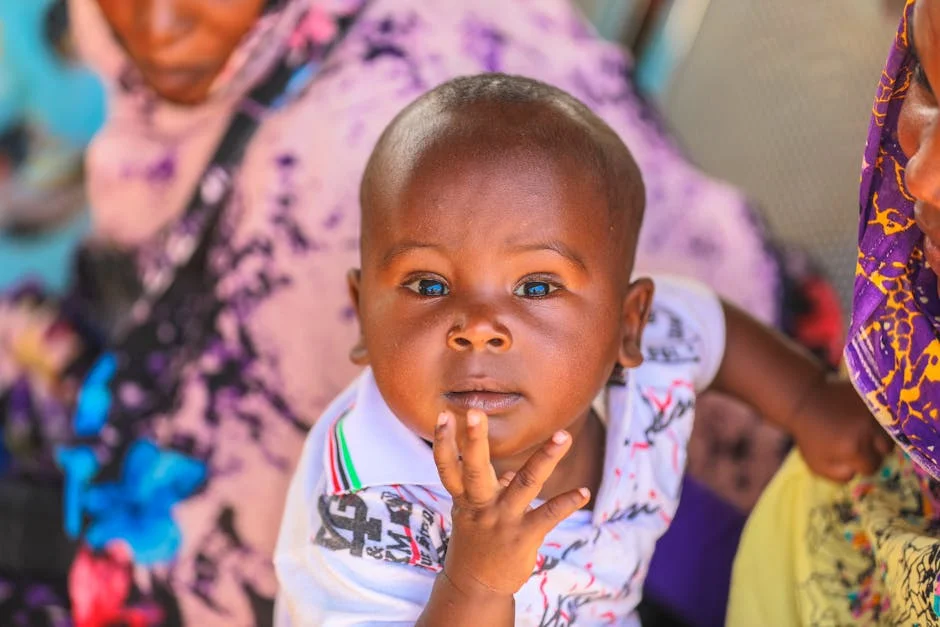
As violence escalates, humanitarian conditions are deteriorating rapidly. According to the United Nations, over 7 million people in South Sudan are in urgent need of assistance, including food, healthcare, and shelter. The ongoing conflict exacerbates these needs, as access to aid becomes increasingly restricted amid the fighting. This crisis poses a significant challenge to the African development goals that aim to reduce poverty and ensure health and education for all.
Regional Impact of South Sudan's Instability
South Sudan's instability has implications that extend beyond its borders. Nigeria, as one of Africa's largest economies, is closely monitoring the situation. The violent impact on Nigeria could manifest through increased refugee flows and destabilisation of already fragile regional economies. The potential for increased violence and unrest could divert attention and resources away from crucial development initiatives in both South Sudan and neighbouring countries.
Governance Issues and the Path Forward
The escalating conflict highlights the broader governance issues that plague South Sudan, including corruption, lack of accountability, and inadequate political structures. Without effective governance and a commitment to reconciliation, South Sudan risks further disintegration. The international community's role in mediating peace talks and supporting governance reforms will be pivotal in staving off a return to full-blown civil war.
What Lies Ahead for South Sudan?
The situation in South Sudan remains fluid and precarious. Observers warn that if the violence is not curbed soon, the nation could slip back into a prolonged and devastating civil war, undoing years of fragile progress since the last conflict. Stakeholders in Africa must remain vigilant, as the stability of South Sudan is crucial not only for its citizens but also for the continent's development trajectory as a whole. Monitoring the developments in South Sudan will be essential for understanding the broader implications for peace, stability, and economic growth in Africa.