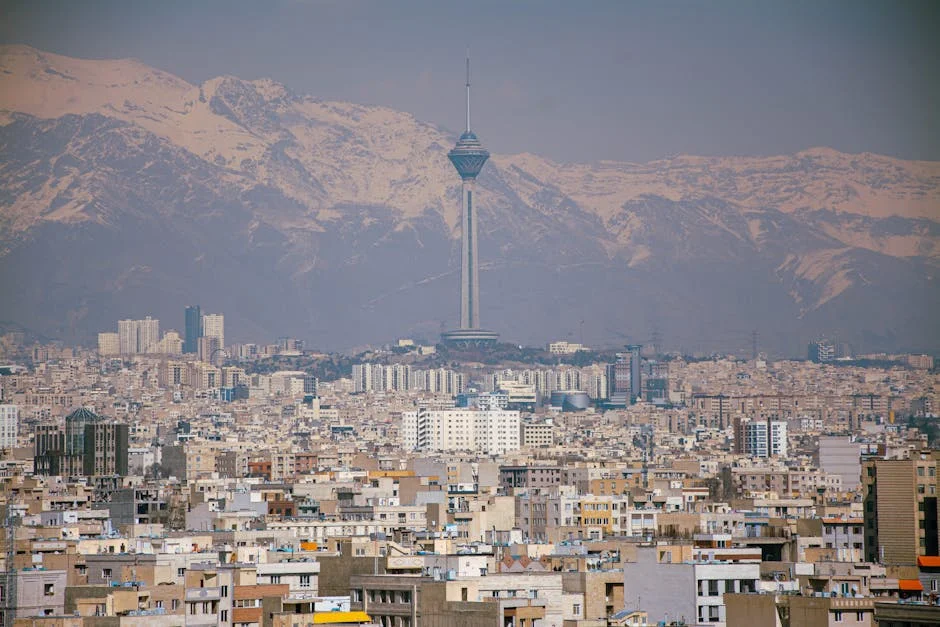
In a bold statement, Israeli officials have vowed to eliminate Iran's Supreme Leader Ali Khamenei amidst rising tensions in the Middle East. This declaration, made on October 15, 2023, raises significant concerns regarding the implications for Nigeria and broader African geopolitical stability.
Israel's Threat: A New Chapter in Middle Eastern Politics
The Israeli government's assertion comes in the wake of ongoing hostilities between Israel and Iran, particularly regarding Iran's nuclear ambitions and its support for militant groups across the region. The promise to target Khamenei underlines the seriousness of Israel's commitment to countering perceived threats, intensifying an already fraught situation.
Ali Khamenei: The Man Behind Iran's Policies
Ali Khamenei has been a pivotal figure in shaping Iran's domestic and foreign policies since he assumed leadership in 1989. His hardline stance against Israel, coupled with Iran's involvement in supporting various groups in conflict areas, has positioned him as a central adversary in the eyes of the Israeli government. Understanding Khamenei's influence on Iranian politics is crucial for grasping the broader implications of his potential elimination.
Nigeria's Position: Why Israel Matters
Nigeria, as Africa's most populous nation and a key player in regional politics, must consider how developments involving Israel and Iran affect its security landscape. The linkages between Middle Eastern instability and African nations are growing, especially as Nigeria grapples with its own security challenges, including terrorism and insurgency. The Israeli statement may resonate in Nigeria, where there is a keen interest in maintaining stability amid potential spill-over effects from Middle Eastern conflicts.
The Ripple Effect on African Development Goals
If tensions escalate following Israel's threats, the resulting geopolitical shifts could hinder progress on critical African development goals, including infrastructure development, health, and education. In a continent striving for economic growth and improved governance, any disruption in regional security could divert attention and resources away from initiatives designed to uplift communities. Moreover, Nigerian policymakers will need to navigate their relationships with both Israel and Iran carefully to safeguard national interests.
Keeping an Eye on Future Developments
As the situation evolves, it is essential for Nigerian leaders to monitor the developments surrounding Khamenei and Israel's military posture. The potential for escalating conflict could lead to increased instability not only in the Middle East but also in Africa, where nations like Nigeria are already contending with a multitude of challenges. The government’s diplomatic engagements with both regional and international partners will be crucial in mitigating these risks.
In conclusion, Israel's threats against Iran are not merely regional issues; they have far-reaching implications for Nigeria and other African nations. The need for strategic foresight in navigating these complexities cannot be overstated as Africa seeks to achieve its development goals amidst an unpredictable global landscape.