India's tea exports to key markets in the UAE, Iran, and Iraq are under threat due to escalating tensions in the Strait of Hormuz, a crucial maritime route. The disruptions raise concerns over supply chain stability and economic impact across the region, particularly affecting India's trade relationships with these nations.
Impact of Hormuz Tensions on Global Trade
The Strait of Hormuz, through which about 20% of global oil trade passes, has witnessed increasing naval confrontations and geopolitical instability. This region's volatility directly impacts India, a major tea exporter, as it relies heavily on these maritime routes to reach its Middle Eastern markets. The Indian Tea Association (ITA) reported that shipments to the UAE and Iraq could face delays, prompting concerns about perishable goods like tea.
Why Iran Matters for Indian Exports
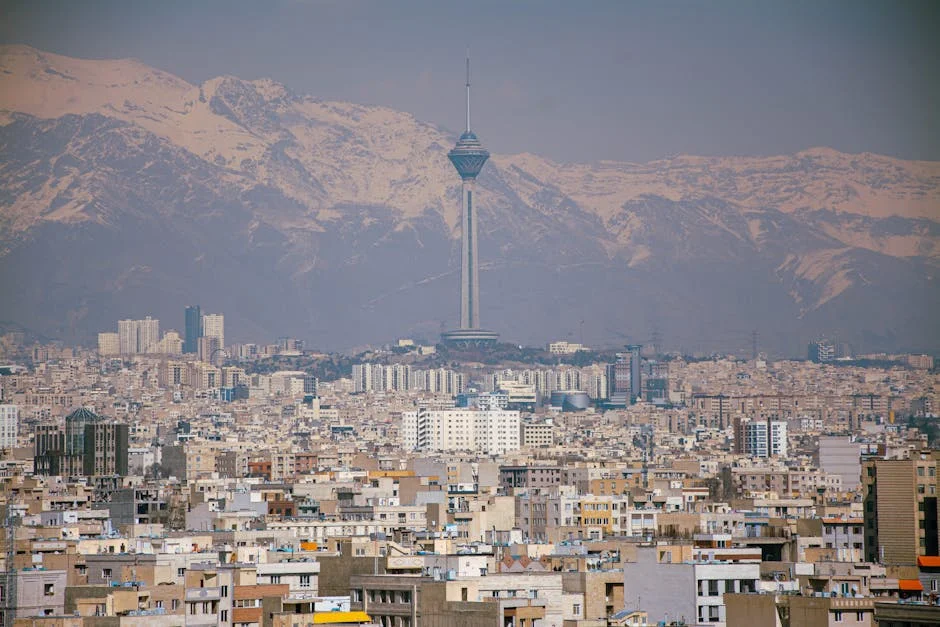
Iran has been a significant market for Indian tea, with exports reaching approximately $200 million in recent years. The latest news indicates that Iranian buyers are already looking for alternative suppliers as tensions escalate. This shift not only threatens India's market share in Iran but could also impact the broader economic landscape, as Iran's reliance on Indian tea presents a unique opportunity for trade. Understanding Iran's role in this dynamic is crucial for assessing the potential fallout on Nigeria, which has been eyeing trade relations with both India and Iran.
Iraq’s Economic Landscape Shifts Amid Export Concerns
Iraq is another vital market for Indian tea, importing an estimated $150 million annually. However, the current climate poses risks to this economic relationship. With ongoing instability in Iraq, exacerbated by the threat of disrupted supply lines, Indian exporters may find it increasingly challenging to maintain their foothold here. The Iraq economy update indicates a reliance on imports for many goods, making the tea export situation particularly critical.
Broader Implications for African Development Goals
The disruptions in tea exports to the Middle East have broader implications for African development goals, particularly as India and African nations explore collaborative trade opportunities. Nigeria, in its quest for economic growth, must assess how regional tensions can affect its trade partnerships, especially as it seeks to diversify its own exports. The potential fallout from these tensions can hinder progress in areas such as infrastructure development and governance as countries navigate the complexities of international trade.
What to Watch Next
As the situation in the Strait of Hormuz develops, stakeholders in both India and Nigeria need to monitor the evolving geopolitical landscape closely. The implications for the tea industry and broader economic ties will become clearer in the coming weeks. Trade analysts suggest that establishing more resilient supply chains and diversifying export markets will be crucial for sustaining growth amid uncertainties in the Middle East. The economic ripple effects could present both challenges and opportunities for Nigeria and other African nations as they position themselves in the global market.