Cape Town has unveiled plans to establish two new nature reserves while expanding five existing ones, aiming to enhance biodiversity and promote ecological sustainability. This initiative, announced on 15 October 2023, seeks to bolster conservation efforts in the region, particularly within the Table Bay Nature Reserve and surrounding areas.
Expanding Protected Areas to Combat Climate Change
The proposed nature reserves are part of Cape Town's broader strategy to combat climate change and protect its diverse ecosystems. The expansion of the Table Bay Nature Reserve, a crucial habitat for various flora and fauna, is expected to enhance the city’s resilience against climate-related challenges. This move aligns with global biodiversity targets and reflects a growing recognition of the importance of preserving natural habitats.
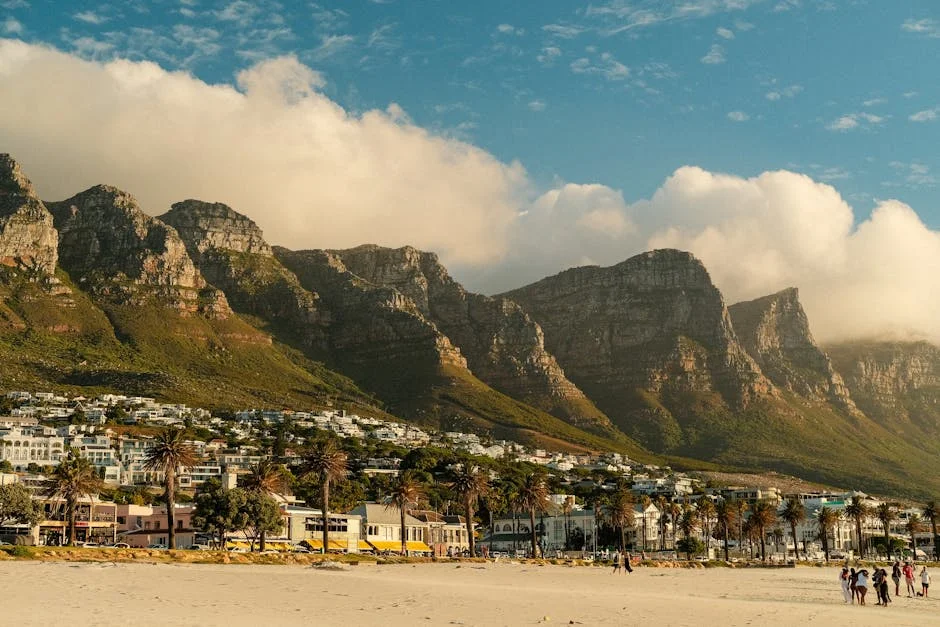
How Cape Town's Initiatives Align with African Development Goals
By increasing protected areas, Cape Town is contributing to several African development goals, particularly those related to environmental sustainability and climate action. The African Union's Agenda 2063 emphasises the need for sustainable development and environmental protection across the continent. Cape Town's initiative serves as a model for other African cities, including those in Nigeria, illustrating how local actions can have far-reaching impacts on regional and continental sustainability goals.
Economic Opportunities from Eco-Tourism
In addition to environmental benefits, the new nature reserves are projected to stimulate economic growth through eco-tourism. Cape Town has long been a popular tourist destination, and the enhancement of its natural offerings is likely to attract even more visitors. This economic boost can create job opportunities and support local communities. For Nigeria, which is also rich in biodiversity but faces significant environmental challenges, the Cape Town model could offer valuable lessons on integrating conservation with economic development.
Response from Local Communities and Stakeholders
Local communities have generally welcomed the announcement, seeing it as a chance to engage in conservation efforts that could improve their livelihoods. Stakeholders, including environmental NGOs, have praised the initiative as a necessary step towards preserving Cape Town's unique biodiversity. However, the success of these reserves will depend on effective management and community involvement, ensuring that both conservation and local needs are balanced.
Implications for Nigeria and Broader African Context
The developments in Cape Town may serve as a stimulus for similar initiatives in Nigeria, where urbanisation and industrialisation pose significant threats to natural habitats. As Nigerian cities grapple with environmental degradation, Cape Town's experience could inform strategies that promote sustainable urban development. The collaboration between African cities in conservation efforts may also yield partnerships that enhance resource sharing and knowledge exchange, ultimately contributing to the continent’s resilience against climate change.
As Cape Town moves forward with its plans, the implications for African development are clear: proactive measures on environmental conservation can lead not only to ecological benefits but also to economic opportunities that support broader development goals. Observers will be watching closely as Cape Town implements these initiatives, looking for lessons that can be applied across the continent.