Paulo Fernandes, a prominent figure in international philanthropy, has announced intentions for donations exceeding €10 million aimed at improving various sectors in Nigeria. This substantial financial commitment was revealed during a press conference in Lagos on October 15, 2023, highlighting the urgent need for support in health, education, and infrastructure.
Significance of Fernandes' Donations for Nigerian Development
The announcement comes at a critical juncture for Nigeria, which faces numerous challenges, including inadequate healthcare, poor educational facilities, and crumbling infrastructure. Fernandes, known for his impactful contributions across Africa, expressed that these donations are not merely financial gifts but strategic investments in the future of Nigeria. "We are focusing on sustainable development that aligns with Nigeria's long-term goals," he stated.

Targeted Areas for Investment: Health and Education
The allocated funds will primarily target healthcare and education sectors, which are crucial for the nation’s development. Nigeria currently grapples with a healthcare system that is overstretched and underfunded, with millions lacking access to basic medical services. Fernandes' contributions aim to enhance health facilities, supply necessary medical equipment, and support healthcare personnel training.
In education, the funds will be directed towards building new schools and improving existing ones, ensuring that children have access to quality education. Fernandes remarked, "Education is the backbone of any society. By investing in the youth, we are investing in the nation’s future." This aligns strongly with the African Union's Agenda 2063, which emphasizes inclusive and quality education.
Infrastructure Development: A Key Focus
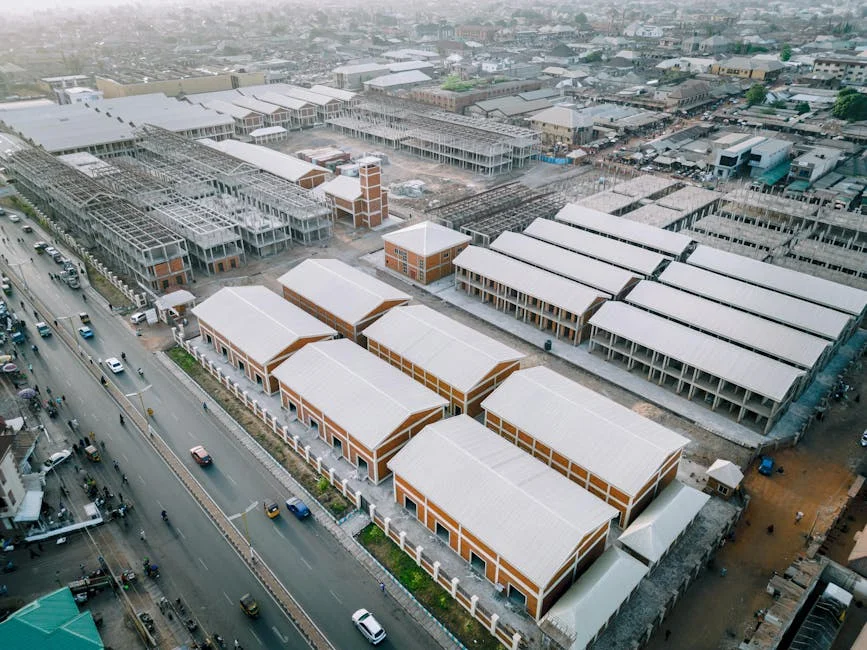
Another significant aspect of Fernandes' initiative is infrastructure development. Nigeria's road networks and transportation systems are often inadequate, hindering economic growth. The donations will facilitate the construction and rehabilitation of vital infrastructure, which is essential for fostering economic activities and improving the quality of life for Nigerians.
Experts believe that robust infrastructure is a catalyst for economic growth, creating job opportunities and attracting foreign investment. Fernandes' commitment could therefore play a pivotal role in addressing Nigeria’s infrastructural deficits.
Governance and Accountability: Ensuring Impact
While the financial commitment is commendable, questions about governance and transparency in the allocation of these funds remain pertinent. In a country where corruption has often derailed development efforts, ensuring that the donations are used effectively will be critical. Fernandes has promised to work closely with local authorities and NGOs to establish a framework for accountability and monitoring.
He stated, "We will ensure that every euro donated translates into tangible benefits for the community. Our goal is not just to give money, but to empower local stakeholders to take charge of their development." This approach not only fosters trust but also aligns with the broader African development goals that prioritise local ownership and sustainable solutions.
What’s Next? Monitoring the Progress
As the donations are rolled out, stakeholders will be closely watching the impact these funds have on Nigerian society. The emphasis on health, education, and infrastructure resonates with the African Union's Agenda 2063, which aims for a prosperous Africa based on inclusive growth and sustainable development. Fernandes’ impact on Nigeria could serve as a model for future investments in the continent.
In conclusion, Paulo Fernandes’ generous intentions mark a significant step towards addressing some of Nigeria's pressing challenges. The effective use of these funds could not only transform lives but also inspire further investments in African development, showcasing the potential that lies within collaborative efforts aimed at sustainable growth.