Sofia Craveiro, the recent recipient of the Prémio Mário Soares, has raised alarm bells regarding the state of journalism, warning that it is increasingly becoming beholden to financial interests and authoritarian governance. This observation comes amidst rising concerns about the impact of these trends on democracy across the globe, including Nigeria.
The Press Under Siege: A Global Concern
At the award ceremony, held in Lisbon on 15 October 2023, Craveiro articulated her fears that the integrity of journalism is being compromised by financial dependencies and authoritarian political pressures. She noted that these forces threaten not only the freedom of the press but also the very fabric of democracy. In her acceptance speech, she stated, "The relationship between journalism and power must be based on independence, not on compromise."
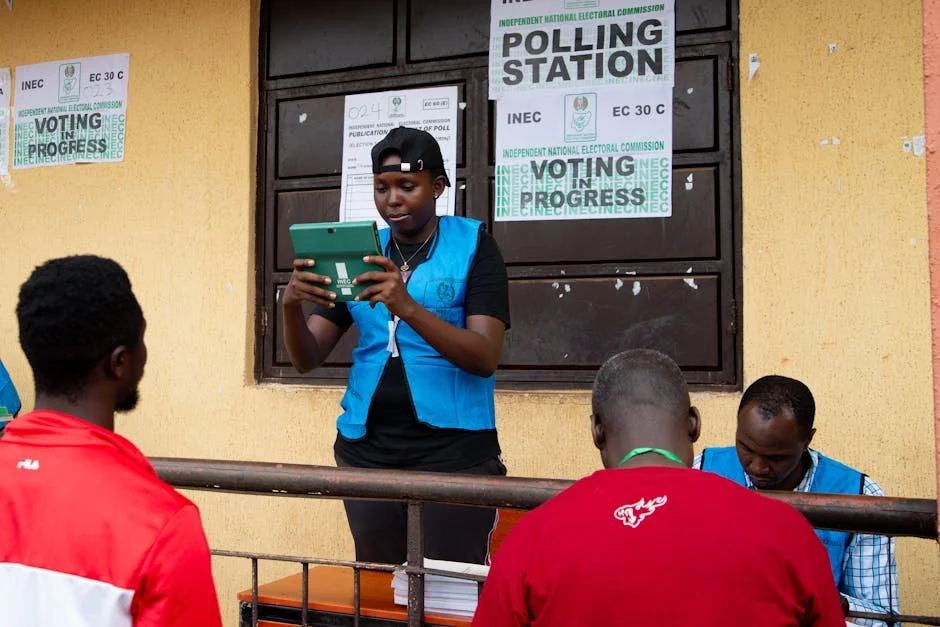
Implications for Democracy in Africa
The erosion of journalistic independence poses significant risks to democratic institutions in Africa. Countries like Nigeria, facing challenges such as corruption, electoral malpractices, and authoritarian governance, rely on a robust press to hold power accountable. Craveiro's warnings resonate particularly in the context of the African Union's Agenda 2063, which aims for a prosperous and integrated continent that upholds democracy and good governance.
The Role of Liberdade in Journalism
Liberdade, a cornerstone of democratic societies, is increasingly crucial in the fight against authoritarianism. In Nigeria, the media landscape has been fraught with challenges, including government crackdowns on dissenting voices and the stifling of free press. The notion of Liberdade must be reinforced to ensure that journalists can operate without fear of retribution. This freedom is paramount for fostering transparency and accountability, which are essential for economic growth and social development.
Potential Opportunities for Reform
Despite the daunting challenges, there are opportunities for reform in the media sector. The rise of digital journalism and social media platforms can serve as alternative avenues for disseminating information and promoting civic engagement. As highlighted by Craveiro, investing in the training of journalists and enhancing media literacy among the population can empower citizens to demand better governance and accountability from their leaders.
A Call to Action: What Comes Next?
As African nations strive to achieve their development goals, the importance of a free and independent press cannot be overstated. The recent discussions surrounding democracy and Liberdade serve as a critical reminder for policymakers and civil society alike to prioritise media freedoms. Moving forward, stakeholders must work collaboratively to create an environment where journalism can thrive, ultimately contributing to stronger governance, improved infrastructure, and enhanced health and education systems across the continent.