In recent years, Russia has expanded its influence beyond oil and gas, leveraging its nuclear capabilities to forge new alliances in Africa. This shift raises critical questions about the implications for African development goals, particularly as nations grapple with energy needs and economic growth.
Russia's Growing Influence in Africa
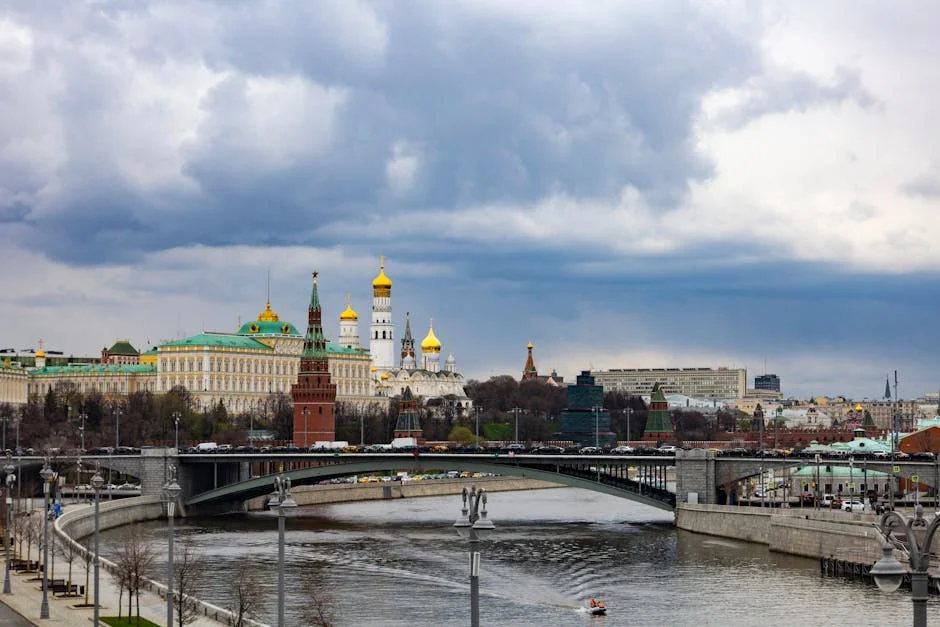
In 2023, Russian President Vladimir Putin reaffirmed his commitment to strengthening ties with African nations during the Russia-Africa Summit held in St. Petersburg. With a focus on military cooperation and energy partnerships, Russia is positioning itself as a key player on the continent. This move comes at a time when many African countries are seeking alternative energy sources to ensure their development agendas are met.
Nuclear Power: An Alternative for African Development
Russia's expertise in nuclear technology presents an opportunity for African nations to diversify their energy portfolios. Countries like Nigeria, South Africa, and Egypt are exploring nuclear power as a viable solution to their energy crises. For instance, Nigeria's plans to develop nuclear power could provide up to 1,000 megawatts of electricity, potentially transforming its economic landscape. The collaboration with Russia could reduce dependency on fossil fuels and enhance sustainability in energy production.
Economic Growth and Infrastructure Development
Investing in nuclear power infrastructure can catalyse broader economic growth across Africa. As nations develop energy resources, they can stimulate industries and create jobs, directly addressing poverty and unemployment. According to the African Development Bank, access to reliable energy can increase productivity by up to 30%, which is critical for the continent's goal of inclusive economic growth by 2063.
Challenges: Governance and Safety Concerns
While the potential benefits of nuclear energy are significant, they come with substantial risks. Governance issues, lack of regulatory frameworks, and safety concerns pose challenges for many African nations. The history of nuclear incidents worldwide raises questions about the preparedness of African countries to manage nuclear plants safely. As Russia steps in with its nuclear technology, it is crucial for governments to establish stringent regulations to ensure public safety and environmental protection.
The Impact of Russian Engagement on African Policy
The deepening ties with Russia could shift the geopolitical landscape in Africa, especially regarding existing partnerships with Western nations. Some analysts argue that increased Russian presence might lead to a more multipolar world, where African nations can negotiate better terms for development assistance. However, it may also risk creating dependencies, echoing historical patterns of foreign influence in Africa.
In conclusion, as Russia's role in Africa evolves, it is essential for African nations to navigate this partnership carefully. The potential for economic growth through energy diversification is significant, but it must be balanced with governance and safety considerations. The trajectory of African development goals will depend on how these challenges are addressed in the coming years, making it a critical point of interest for policymakers and citizens alike.
According to the African Development Bank, access to reliable energy can increase productivity by up to 30%, which is critical for the continent's goal of inclusive economic growth by 2063.Challenges: Governance and Safety ConcernsWhile the potential benefits of nuclear energy are significant, they come with substantial risks. Governance issues, lack of regulatory frameworks, and safety concerns pose challenges for many African nations.