As climate change accelerates and urbanisation intensifies, over a billion Africans face the grim reality of losing their land and homes within the next five years. This alarming statistic, revealed in a recent report, underscores the urgent need for sustainable development solutions across the continent, as millions grapple with the dual threats of displacement and economic instability.
The Rising Tide of Displacement Across Africa
According to a report released by the African Union (AU) and various non-governmental organisations, it is estimated that 1.2 billion people are at risk of losing their homes due to a combination of climate-related disasters, rapid urbanisation, and land degradation. The report highlights that by 2028, vulnerable communities in regions like the Sahel and the Horn of Africa are particularly at risk, where drought and food insecurity have already reached alarming levels.
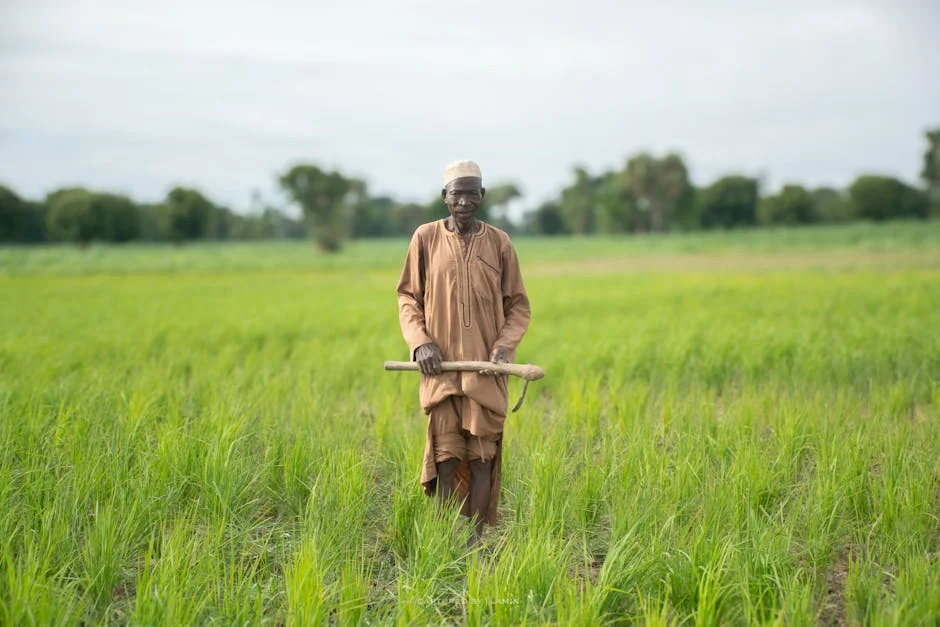
Nigeria's Growing Land Crisis: A Case Study
Nigeria is among the countries most affected by this crisis. The National Bureau of Statistics (NBS) reported that more than 60% of Nigerians rely on agriculture for their livelihood. However, increasing land disputes, often exacerbated by climate change, threaten food security and economic stability. Farmers in the Middle Belt region, for example, face ongoing conflicts over land use, which have been worsened by herders encroaching on arable land.
Impact on Economic Growth and Food Security
The loss of land directly impacts Nigeria's agricultural output, which is crucial for the nation's economic growth. As the population continues to grow, the demand for food escalates, but the available arable land decreases. Analysts warn that if this trend continues, Nigeria could face a significant food crisis, pushing millions further into poverty.
Governance Challenges and Opportunities for Reform
Addressing the land crisis requires robust governance and innovative policy solutions. The AU's report underscores that effective land management and dispute resolution mechanisms are critical to curbing the impending crisis. For Nigeria, this translates to implementing land reforms that empower local communities and ensure equitable access to land resources.
Additionally, investments in infrastructure, such as irrigation systems and transportation, can enhance agricultural productivity and support rural communities. This aligns with the African Union's Agenda 2063, which aims to promote sustainable development and improve the quality of life for all Africans.
Health Implications of Land Loss
The implications of losing land extend beyond economic factors; they also pose significant health risks. Displacement often leads to overcrowded living conditions, inadequate sanitation, and poorer access to healthcare services. The World Health Organisation (WHO) has indicated that communities displaced by environmental changes are more susceptible to communicable diseases, exacerbating the continent's existing health challenges.
What Lies Ahead: A Call to Action
Given the imminent threats outlined in the report, it is imperative for African leaders and international partners to act decisively. Strategies must encompass climate adaptation measures, investment in sustainable agriculture, and a commitment to protecting the rights of vulnerable populations. The upcoming United Nations Climate Change Conference provides a critical platform for discussing these pressing issues and forging collaborative solutions.
With over a billion lives at stake, the urgency for action cannot be overstated. As Nigeria navigates its own challenges related to land loss and displacement, the broader African community must unite to tackle these existential threats, ensuring that future generations inherit a continent that thrives rather than merely survives.