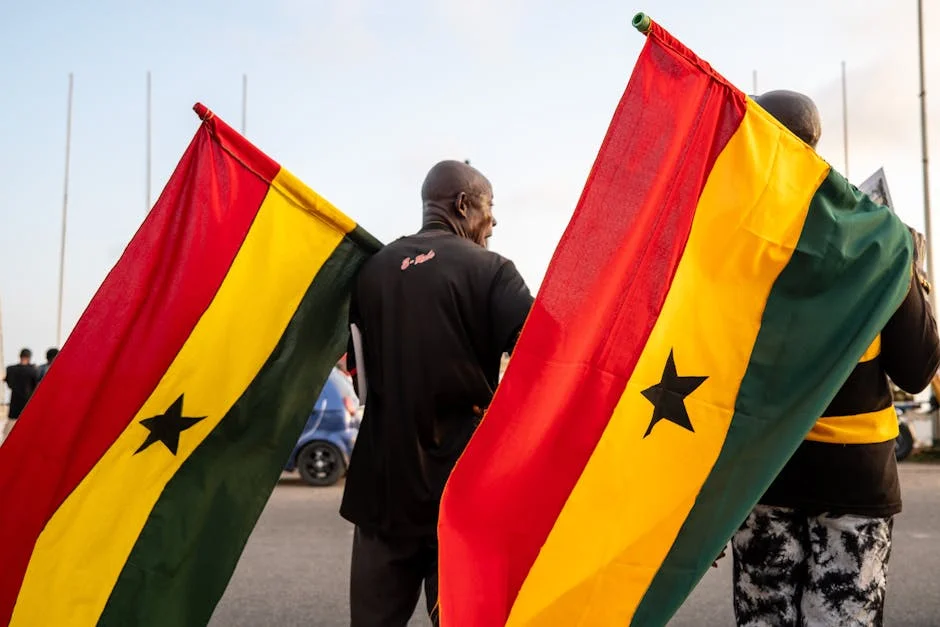
In a landmark move, Ghana has officially submitted a case to the United Nations regarding transatlantic slavery, seeking justice for historical injustices that have long impacted African nations. This initiative, led by President John Mahama, aims to address the legacies of slavery and its effects on modern African development.
Ghana's Bold Step in International Advocacy
On October 15, 2023, Ghana presented its case to the UN, advocating for reparations for the descendants of enslaved Africans. This initiative is not merely a legal pursuit but a significant step toward reclaiming agency over Africa's narrative and addressing historical grievances. President John Mahama emphasised the importance of this case not only for Ghana but for the entire continent, highlighting the shared struggles faced by African nations stemming from colonial exploitation.
Transatlantic Slavery's Legacy on African Development
The ramifications of transatlantic slavery continue to resonate across Africa, affecting socio-economic structures, governance, and cultural identities. Ghana's move to take this issue to the UN underscores a critical moment in recognising how history shapes contemporary challenges. With over 200 million people in Nigeria alone tracing their ancestry to enslaved individuals, this case holds particular significance for Nigeria, underscoring the interconnectedness of African nations as they confront their colonial pasts.
Implications for the African Union's Role
The African Union (AU) has long championed the cause of reparations and justice for the continent. Ghana's action aligns closely with AU objectives, which aim to foster unity among African nations and promote sustainable development. By taking a stand on this issue, Ghana not only strengthens the AU's position but also encourages other member states to engage in dialogues about reparations and historical injustices. This could potentially lead to a more coordinated approach to addressing continental challenges, including economic inequality and governance issues.
Building Momentum for Reparative Justice
As Ghana advances its case, the ripple effects may inspire similar actions from other African nations. The dialogue on reparations is gaining traction, with countries like South Africa and Senegal also considering their positions on the issue. This growing momentum could catalyse a movement within the African Union, pressing for collective action against the remnants of colonialism and slavery that hinder progress.
Opportunities for Economic Growth and Infrastructure Development
Addressing the historical injustices of transatlantic slavery is not just about reparations; it is also about harnessing opportunities for future growth. By confronting its past, Ghana can redirect focus towards building a stronger economic foundation, investing in infrastructure, health, and education. The pursuit of justice could lead to international partnerships aimed at development initiatives, which could, in turn, bolster Ghana's economy and enhance its standing within the African Union.
What Lies Ahead for Ghana and the African Union?
As the case moves through international legal channels, the outcome will be closely monitored by African nations and the global community. Ghana's initiative has the potential to reshape discussions around reparations and justice in Africa, offering a pathway toward healing and development. The implications for governance and economic policy in Ghana and its impact on Nigeria and other neighbouring countries will be significant. As the AU continues to advocate for a united African voice, Ghana's case represents an opportunity for solidarity and collaboration among member states, reinforcing the importance of historical recognition in paving the way for sustainable development.
Frequently Asked Questions
What is the latest news about ghana takes transatlantic slavery case to un a call for justice and development?
In a landmark move, Ghana has officially submitted a case to the United Nations regarding transatlantic slavery, seeking justice for historical injustices that have long impacted African nations.
Why does this matter for politics-governance?
This initiative is not merely a legal pursuit but a significant step toward reclaiming agency over Africa's narrative and addressing historical grievances.
What are the key facts about ghana takes transatlantic slavery case to un a call for justice and development?
Ghana's move to take this issue to the UN underscores a critical moment in recognising how history shapes contemporary challenges.
The implications for governance and economic policy in Ghana and its impact on Nigeria and other neighbouring countries will be significant. As the AU continues to advocate for a united African voice, Ghana's case represents an opportunity for solidarity and collaboration among member states, reinforcing the importance of historical recognition in paving the way for sustainable development.